- Amenorrhea - Absence of periods
- Oligomenorrhea - Unusually infrequent periods
- Secondary amenorrhea - Periods that have stopped
PCOS Symptoms in Detail:
Irregular Periods. Typical menstrual cycles arrive on a regular basis, 12 times a year. Nine or few menstrual cycles per year may be a sign of PCOS. Bleeding may be heavier than normal.
Weight Gain. Many women with PCOS gain weight around their abdomen, taking on an round shape rather than a pear shape.
Infertility. The high levels of excess insulin seen with PCOS can stimulate the ovaries to produce large amounts of the male hormone testosterone, which can prevent the ovaries from releasing an egg each month.
Hirsutism. Due to hormone imbalances, for most PCOS sufferers, hair in the mustache and beard areas becomes heavier and darker. Masculine hair on the arms and leg is also possible, as well as hair on abdomen, chest or back, together with more growing in the pubic area.
Thinning Hair. Just as heavier hair growth is possible, so is the type of hair thinning that many men experience which, in men, is known as alopecia.
Acne. The acne is usually found around the face (especially along the jaw line), chest and back.
Other Skin Problems.
- Skin tags – thick lumps of skin sometimes as large as raisins – can form as a result of PCOS. They are usually found in the armpits, at the bra line or neck and can easily be removed by a dermatologist.
- Darkening and thickening of the skin can also occur around the neck, groin, underarms or skin folds. This condition, called Acanthosis Nigricans, is a sign of Insulin Resistance, the underlying cause of PCOS.
Depression and Anxiety. Many women with PCOS may find themselves more anxious or depressed by their appearance or their inability to become pregnant. Depression can also be caused by hormone problems.
-----------------
For more information about PCOS, please visit the Polycystic Ovarian Syndrome (PCOS) pages at Insulite Labs.
]]>For the purpose of this article, we will focus on what we traditionally think of when we discuss yeast infections, and will narrow the symptoms discussed to those traditionally associated with candidiasis.
yeast infection symptoms may include:
- Thrush: oral lesions consisting of painless, discrete white plaques that adhere on the oral and pharyngeal mucosa.
- Skin infections are:
- red
- macerated: appearing moist
- usually occur in areas where skin folds upon itself.
- Invasive systemic infections may present in any organ including the brain, heart, kidneys, and eyes.
- symptoms produced in systemic infections depend on the extent of the infection and the organs affected.
The symptoms are fairly straight forward, and can include:
- Dysphagia: impairment of speech.
- Burning sensation radiating up to the neck.
Temporary relief is available via antacids. According to Oriental Medicine, this complex is caused by one of several factors. For each, traditional herbs have very positive clinical effects when treated properly.
]]>Typically a person diagnosed with panic attack will need to show four of the following symptoms. These symptoms initiate quickly, without reasonable stimulus, and peak at around 10 minutes:
- Palpitations: The experience of intensely feeling one’s own heart beating as if it was to beet out of one’s chest.
- Sweating
- Trembling or shaking
- Sensations of shortness of breath or a sense of being smothered
- Feeling of choking
- Chest pain or discomfort in the chest
- Nausea or abdominal distress
- Dizziness or light headedness
- Feeling of unreality or being detached from oneself
- Felling of losing control or going crazy
- Fear of dying
- Paresthesia: numbness or tingling sensation, particularly in the arms and lets
- Chills or hot flushes
- Feeling of imminent danger
- Feeling of impending doom and an urge to escape
How do you help someone experiencing a panic attack?
Allow the individual to express their anxiety, and to release energy. Be cautious to provide a safe environment where the individual will be safe from harm. A gentle and calm attitude will help the person work through the acute attack.
]]>Looking at the symptoms of migraine headaches can be a little overwhelming and not make a lot of sense at first. The list looks like:
- Pain - Moderate to severe on one or both sides of the head
- Throbbing - Some pain may throb, almost like the heart pulse, but on its own rhythm
- Vomiting
- Photophobia - Fear of, or dislike of light
- Phonophobia - Fear of, or dislike of sound
- Pain may be worse with movement
A traditional migraine, often referred to as a migraine with aura, is preceded by a group of specific symptoms called aura, most commonly experienced as a visual disturbance (sense the term aura). Common migraine or migraine without aura, in contrast, lacks this specific warning. Many migraine patients will experience a prodrome, a vague sensation that things are just not right that may precede the headache by several hours. Although sometimes comparable in severity, the symptoms of migraine differ from those of cluster headache.
Alternative Medicine and Migraines
When one looks at the Oriental Medical breakup of headaches, migraine symptoms start to make a lot more sense. In this system, migraine symptoms can be broken down by location, type of pain, amelioration and aggravation. Then, diagnosis can be made in relation to the organ systems or the channels affected. Lets look at how some of these symptoms might break down.
Location of Pain in Headaches:
- Top of the head - The liver channel reaches the top of the head. This type of headache is most often related to "a deficient liver blood state" but can also relate to "liver yang rising" which is an excess state. The difference being that if excess, the headache would be aggravated by lying down, but if deficient, would get relief from lying down.
- Sides of the Head
- Only One Sided - This relates to the "Gall Bladder" channel, and headaches here are either due to "Liver Yang Rising" or "Liver Fire"
- Temples - This again is typically thought of as due to a disturbance in the "Gall Bladder" channel, and as such, can be either caused by "Liver Yang, "Liver Fire" or "Liver Wind." This location shows pain that is often throbbing in nature.
- Behind the Eyes - This is a very frequent location for migraine. This type of headache is often due to "Liver Blood Deficiency."
- Forehead - Headaches here are usually related to the "stomach."
- Back of the Head - Here, headaches are usually due to a "Kidney Deficiency" manifesting on the "Bladder Channel."
- Whole Head - Chronic Headaches n this area are due to "Kidney - Essence deficiency. They are not typically scene as migraines.
Types of Pain in Migraine Headaches:
- Dull Headache - A headache is due to one of the deficiencies outlined above
- Feeling of Heaviness - This is characteristic of "Dampness" or "Phlegm"
- Distending Pain - Typically a migraine symptom of "Liver Yang" or "Liver Fire."
- Stiff - "Liver Yang"
- Pulling - "Liver Wind"
- Stabbing and Boring - This sensation is very intense and fixed in one place and it indicates "Blood Stasis." This is more of a symptoms of Cluster Headaches.
- Feeling of Emptiness - This can indicate a deficiency of Kidney Yin or Yang.
Mesothelioma symptoms
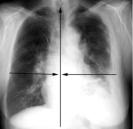 It may take upwards of 30 to 50 years after exposure to asbestos for Mesothelioma symptoms to become apparent. Among the symptoms of Mesothelioma one might see, the primary two associated with plural cavity Mesothelioma are:
- shortness of breath
- pain in the chest - most likely due to an accumulation of fluid in the pleural space
Symptoms of Mesothelioma that are affecting the peritoneal cavity may include
- weight loss
- abdominal swelling
- pain due to ascites (a buildup of fluid in the abdominal cavity).
- bowel obstruction
- blood clotting abnormalities
- anemia
- fever
If the cancer has spread then the symptoms may diversify as well. General symptoms of metastasized Mesothelioma may include pain, trouble swallowing, or swelling of the neck or face.
All symptoms on this page may be caused by Mesothelioma, especially if the individual had a prior exposure to high levels of asbestos earlier in life. However, all of these symptoms can be caused by less serious conditions.
]]>Early Menopause Symptoms
In western culture, we are seeing a rise in early menopausal symptoms. Clinically, this begins with a drying of the skin and hair. Menstrual flow becomes slightly irregular and increasingly less blood flows each month. What was once a regular twenty eight day cycle can become thirty, then thirty five days signalling the early stages of menopausal symptoms. Often with this irregularity comes either a lack of groundedness in emotional states, or a lack of ability to concentrate. Insomnia can also begin to appear, usually either as a difficulty falling asleep as heat and irritability are present in the evenings, or as dream disturbed sleep leading to the inability to fall back asleep again, often with hot flashes at night. When stepping back, early menopause symptoms are seen similarly to the main symptoms listed below, only more mild in nature.
Menopause Symptoms
Looking at the symptoms of menopause, we see an increase in the infrequent symptoms mentioned above in "early menopause symptoms." All of the symptoms become more pronounced, and every women can show a different pattern of the following symptoms:
Physical menopause symptoms:
- hot flashes - usually begins in the evenings, but then becomes more invasive as they can move into the day time as well.
- palpitations - again, typically experienced more in the evening during the early stages, but then quickly these symptoms can extend into the day time as well.
- night sweats
- hot hands and feet
- irregular and scanty menstruation
- dryness of the skin and hair
- vaginal dryness
- urgency of urination
Emotional menopause symptoms:
- increased depression
- emotional instability
- anxiety
- irritability
- mood swings
- lack of concentration
Alternative Medicine and Menopause Symptoms
Traditional Chinese Medicine has had over 5000 years of working with menopause, and adjusting it's theory and clinical traditions to create an extremely effective medium for working with menopause and it's symptoms. Although the names of the syndromes may seem foreign, our hope in presenting the different sub-groupings is to help those unfamiliar with the theory begin to see how it functions.
Yin deficiency with false heat (this is the most basic diagnosis and all others stem from this foundation):
- mood swings
- emotional instability
- hot flashes
- night sweats
Yin deficiency with false heat and dryness:
- increase in thirst
- increase in over all body dryness
Yin deficiency with liver qi stagnation
- pronounced irritability
- uncontrollable mood swings
Yin deficiency with Shen disturbance
- pronounced anger
- pronounced restlessness
Yin deficiency with spleen and heart blood deficiency
- tiredness
- insomnia upon waking
anxiety symptoms
The physical symptoms of anxiety are caused by an initiation of the "fight or flight" response. This sympathetic / parasympathetic imbalance makes the heart, lungs and other parts of the body work much faster in a perpetual state of "fight or flight". Levels of adrenaline increase in the body. The following symptoms can occur as a result:
- the feeling of having ones stomach in knots
- diarrhoea and/or constipation often referred to as irritable bowel
- dry mouth and throat with difficulty swallowing
- rapid heartbeat and/or palpitations (the feeling of ones heart beat almost pounding out of the chest)
- tightness or pain in chest often hindering the breath
- shortness of breath without any known reason
- dizziness and light headedness
Psychological symptoms of anxiety can include:
- insomnia either with difficulty falling asleep, or with difficulty falling back asleep once awake.
- Irritability and/or anger
- inability to concentrate for even short periods of time
- fear of madness
- feeling unreal and not in control of your actions (depersonalisation)
anxiety subtypes
Generalized Anxiety Disorder
Generalized anxiety disorder is a common disorder which is chronic in nature. The disease affects more women than men, almost at a 2:1 ratio. The symptoms of generalized anxiety disorder leads to a major affect on the basic ins and outs of daily life. Generalized anxiety disorder is characterized by long-lasting anxiety that is not focused on any particular object or situation. People with this disorder feel afraid of something but are unable to articulate the specific cause of the fear. Those suffering from this type of anxiety symptoms spend large amounts of time with the inability to control their worries. The constant state of worry increases muscle tension and leads to an increase in; headaches, heart palpitations, dizziness, and insomnia. These physical complaints, combined with the intense, long term anxiety, make it difficult to cope with normal daily activities that many of us take for granted.
Social Anxiety Disorder
Social Anxiety Disorder is the fear or apprehension of being in a social environment. Many subtypes of anxiety show this symptom, but when it is concentrated as a blanket fear of being in a social setting, the disorder is labeled, "Social Anxiety Disorder." Individuals with this disorder experience intense fear of being negatively evaluated by others, or of being publicly embarrassed.
Panic Disorder
In panic disorder, the individual affected experiences brief attacks of intense terror and apprehension. Among the symptoms of panic disorder displayed include:
- trembling and shaking
- dizziness
- difficulty breathing
The American Psychiatric Association in 2000 defined a panic attack as fear or discomfort that arises abruptly and peaks in 10 minutes or less. Although panic disorder attacks sometimes seem to occur out of the blue, they generally become more frequent after frightening experiences, and prolonged stress. Many individuals affected in the moment interpret panic attacks for what they are; a result of a passing crisis or stress. Unfortunately, others begin to worry excessively about when the next attack may appear, and some may even quit jobs or refuse to leave the safety of their homes to avoid the possibility of any attacks happening at all. It is labeled panic disorder when several apparently spontaneous attacks lead to a persistent concern about future attacks.
Obsessive-Compulsive Disorder
Obsessive compulsive disorder is a subtype of anxiety which is characterized by obsessions and/or compulsions. Obsessions are distressing, repetitive thoughts and/or images that the individual often realizes are senseless. Compulsions are repetitive behaviors that the person feels forced or compelled into doing, in order to relieve anxiety and fear. Some examples of obsession may include an extreme need for cleanliness based on a fear of contamination. This may lead to the compulsion of having to wash ones hands hundreds of times a day. Another example may be the obsession of cleaning ones teeth out of the fear of cavities. The compulsive behavior could be brushing and flossing hundreds of times a day to alleviate the anxiety.
Phobias
This category involves a strong, irrational fear and avoidance of objects, places, or situation. The person knows the fear is irrational, yet the anxiety remains and can not easily be controlled. Phobic disorders differ from generalized anxiety disorders and panic disorders because there is a specific stimulus or situation that elicits a strong fear and even terror response.
Examples of phobias may include fear of a specific stimuli such as spiders and/or other animals. Anxiety from being in places and situations are another example, such as high buildings, and/or closed spaces. The phobic response can be so intense that normal cognition and ability to function effectively completely and totally shut down. It is an intense and focalized anxiety symptom focused on such a specific event or stimuli that all symptoms flair up in one focused event.
]]>- irritable
- depression
- anxiety
- considered abrasive by others
- hostile in extreme stress
- nervous
- generally emotional
Physical Symptoms of Stress:
- a pounding sensation in the heart
- frequent headaches
- circulation to the extremities may be altered:
- sweaty palms and feet
- and or cold hands
- tight muscles
- pain
- indigestion and digestive disruptions including:
- tight stomach
- nausea
- diarrhea
- irritable bowels
- constipation
- disruptions in sleep and energy
- insomnia
- excess sleep
- fatigue even after rest
- Problems with skin health
- Acne
- Red Swollen Skin (eczema, psoriasis may be aggravated)
- Disruption in breathing
- shortness of breath
- holding breath
Mental Symptoms of Stress:
- forgetful and decline in short term memory
- lack of ability to concentrate
- poor judgment
- lack of organization
- fuzzy perception
- confusion
- apathy
- over thinking and/or lack of clear thought
- diminished or excess fantasy life if used as an escape mechanism
- low self esteem
The main symptom of asthma is wheezing caused by obstruction and constriction of the airways. A cough, sometimes with clear sputum, may also be present. Typically the symptoms change from person to person, often with rapid onset, and associated with the individuals set of trigger stimuli. Once again, these triggers often being:
- exposure to allergen
- animal
- environmental
- exercise - termed "exercise induced asthma"
- exposure to cold air
- emotional stress - especially
- fear
- anger
- general stress
In severe cases, symptoms can be worse during the night or upon waking. Asthma sometimes occurs with acid indigestion, especially amongst older patients. Signs of asthma are wheezing, rapid breathing, expiratory phase of breathing longer than inspiratory, in-drawing of tissues between ribs and above sternum & clavicles, over-inflation of the chest and rhonchi (wheezy noises heard with a stethoscope). In severe attacks the asthma sufferer may become blue in color (associated with a lack of oxygen), may have chest pain and can lose consciousness. Between attacks a person with asthma may show no signs at all.
Asthma symptoms - an alternative view
Chinese Medicine breaks down asthma into two main categories with several sub categories. We fill first look at symptoms associated with an acute onset attack. This being category one. Next we will look at the symptoms associated with non-acute, chronic body types associated with asthmatic tendencies.
Acute asthma attack symptoms according to Traditional Chinese Medicine:
Attack of Wind Cold (without sweating)
Sudden wheezing and breathlessness with difficulty in breathing out, no sweating, tightness of the chest, pale face, feeling cold, sneezing, cough, no thirst, attack elicited by cold weather, stiffness of the shoulders and neck
Attack of Wind Cold (with sweating)
Slight sweating, asthma attack with breathlessness and wheezing, less noisy than previous case, not so much chilliness, a feeling of tightness of the chest, pale face.
Attack of Wind Heat
Fever and aversion to cold (if true exterior invasion, otherwise feeling of heat), headache, tightness of the chest, loud wheezing, barking cough, asthma, mental restlessness, slight thirst.
Chronic asthma symptoms according to Traditional Chinese Medicine:
Non-Acute "Lung Qi Deficiency"
Sweating, pale face, weak voice, prone to catching colds, sneezing, runny nose, shortness of breath, attacks of asthma elicited by pollen or dust, allergic rhinitis.
"Lung Qi" and "Lung Yin Deficiency"
Attacks of asthma at night, tightness of the chest, wheezing, dry cough, dry throat, weak voice, night-sweating, tiredness, prone to catching colds, pale face, palpitations.
"Lung Qi" and "Kidney Yang Deficiency"
Asthma attacks worse at night, tightness of the chest, chilliness, edema of the face, tiredness, back-ache, depression, husky voice.
"Lung Qi" and "Kidney Yang Deficiency" II
Daytime sweating, infrequent attacks of asthma, chilliness, back-ache, frequent-pale urination.
"Lung-Yin" and "stomach Yin" deficiency with dryness and some Empty-Heat
Mild attacks of asthma at night, dry cough, dry throat, breathlessness on exertion, slight night sweating.
"Lung-Yin" deficiency, no dryness and no "empty-heat."
Same as above but with fewer symptoms of dryness
Lung and Kidney "Yin" deficiency
Chronic asthma with infrequent attacks which usually occur at night, wheezing, breathlessness on exertion, dry throat, night sweating, back ache, tinnitus, dry cough, hot hands and feet.
Liver Qi stagnation insulting the lungs
Asthma attacks elicited by emotional stress, a feeling of oppression and distension of the chest and hypochondrium.
Liver Fire insulting the lungs
Loud wheezing, attacks of asthma elicited by emotional strain, irritability, propensity to outbursts of anger, hypochondrial and chest fullness and distension, bitter taste in mouth, thirst.
Liver Yin Deficiency
Infrequent asthma attacks at night, dry throat, dry cough, blurred vision, dry eyes, hypochondriac and chest distention.
Looking at the clinical symptoms of sickle cell anemia, when not acute, patients have baseline anemia that varies in severity. Often times white blood cell counts are elevated simply due to the fact that the marrow is hyperactivity as the body needs to replace the sickled red cells, which have a shorter life than normal red blood cells.
vasoocclusive crises - blockage of capillaries due to sickle cell anemia
Vasoocclusive crises are caused by sickled red blood cells which obstruct capillaries and thus block blood flow to an organ. The resulting damage may include; ischemia, pain, and organ damage.
Among the most common areas targeted by vasoocclusive crisis includes:
- Spleen
- Liver
- Bone
- Lungs
signs and symptoms of neutropenia
Neutropenia is often a silent disease, that being one which is often difficult to see at first.
Therefore, neutropenia symptoms are generally discovered at a later stage when a patient has developed severe infections or sepsis. During an infection in these types of patients, common infections often take an unexpected course. For example, formation of pus, can be notably absent, as the formation of pus requires circulating neutrophils.
The following list of neutropenia symptoms is not indicative of the diagnosis of neutropenia, as many of the symptoms are general in nature and may refer to any number of diseases. Rather, the following list is a list of symptoms that often associate with the disease.
- Frequent infections - as mentioned above.
- Unusual redness, pain, or swelling around wounds
- Fever
- Diarrhoea
- Burning sensation when urinating
- Frequent Sore throats
- Shortness of Breath
- Shaking chills
diagnoses of neutropenia
Depending on the severity of the disharmony, there are four general guidelines used to classify the severity of neutropenia based on the absolute neutrophil count (ANC) measured in cells per microlitre of blood:
- Neutropenia: x < 2000 = slight risk of infection
- Mild Neutropenia: 1000 < x < 1500 = minimal risk of infection
- Moderate Neutropenia: 500 < x < 1000 = moderate risk of infection
- Severe Neutropenia: x < 500 = severe risk of infection.
causes and types of neutropenia
Autoimmune Neutropenia
Common in infants and toddlers. The body identifies the neutrophils as foreign bodies and makes antibodies to destroy them thus attacking itself (autoimmune). This form typically begins to get better within two years of diagnosis.
Congenital Neutropenia ( Kostmann’s Syndrome )
A rare inherited form of Neutropenia. It affects children most often, and may result in premature loss of teeth and gum infections. The most severe form of chronic congenital neutropenia is known as Kostmann’s Syndrome.
Cyclic Neutropenia
Forming a rhythm, this type of neutropenia forms a cycle, occurring typically every three weeks and lasting three to six days at a time due to changing rates of cell production by the bone marrow. It is often familial, and typically improves after puberty. This is the rarest form of severe chronic neutropenia.
Idiopathic Neutropenia
A rare form which develops in children and adults typically in response to an illness or disease. It is diagnosed when the disorder cannot be attributed to any other diseases and often causes life-threatening infections.
]]>- neutropenia - The presence of an abnormally small number of neutrophil cells in the blood.
- anaemia - A reduction in the number of circulating red blood cells per volume of blood. Anemia requiring chronic blood transfusion is frequently present.
- thrombocytopenia - An abnormal disease in the number of blood platelets.
- abnormal granules in cells - A minute mass in a cell that has an outline but no apparent structure, also known as granulatio.
- abnormal nuclear shape and size - Deformity of the structure within a cell that contains the chromosomes. As the nucleus is responsible for the cell's metabolism, growth, and reproduction. Deformities of the nucleus can negatively affect these functions.
- chromosomal abnormalities, including chromosomal translocations.
symptoms of myelodysplastic syndrome:
The following list of myelodysplastic symptoms does not in itself confirm the diagnosis of the syndrome. The symptoms can be a result of many diseases and other related syndromes. For diagnosis, the clinical exams at the bottom of the article would be required.
- Anaemia - A reduction in the number of circulating red blood cells per volume of blood produces:
- chronic tiredness
- shortness of breath
- chilled sensation
- Occasional chest pain in some patients.
- Neutropenia (low white cell count)
- resulting in increased susceptibility to infection
- Thrombocytopenia (low platelet count)
- resulting in increased susceptibility to bleeding
Clinical Examinations for diagnosis of myelodysplastic syndrome
In a clinical setting, the following exams are used to confirm the diagnosis of MDS:
- Full blood count and examination of blood film (CBC)
- Bone marrow aspirate and biopsy
- Chromosome studies
Haemochromatosis is notoriously alusive, that is, it presents with symptoms that are often initially attributed to other diseases.
symptoms of hemochromatosis - too much iron in blood:
- malaise - discomfort, uneasiness, or indisposition, often indicative of infection.
- liver cirrhosis and hepatitis - hardening and enlargment of the liver.
- insulin resistance - type II diabetes.
- erectile dysfunction and hypogonadism - dysfunction of penile erection and gonad secretion
- congestive heart failure
- arrhythmias - irregular heart beet
- pericarditis - inflammation of the pericardium with symptoms that may include precordial pain and tenderness, dry cough, dyspnea, and palpitations.
- arthritis of the hands, knees and shoulders
- dysfunction of certain endocrine organs:
- pancrease
- adrenals
- parathyroid
- pituitary
- testes or ovary
- a darkish colour to the skin
Symptoms of multiple myeloma are diverse, and very few are specific to the disease. Bone pain is the most common, as the initial stages of the disease focus the growth of malignancy in the bone marrow itself. Some other main symptoms can include:
- malaise - discomfort, uneasiness, or indisposition, often indicative of infection.
- anemia - a reduction in the number of circulating red blood cells.
- infections - as cancer weakens the immune system.
- increased incidence of broken bones - due to breakdown of bone by malignant cells, as well as a tendency to brittle bones.
Often, the diagnosis of multiple myeloma is made incidentally during routine blood tests for other conditions. The antibody that is produced in excess may cause specific medical problems, such as amyloid and chronic renal failure, polyneuropathy and other disorders.
]]>In normal individuals, when a blood vessel is injured a scab will form and bleeding will stop. With Hemophilia, when a blood vessel is injured, a scab will not form and the vessel can continue to bleed excessively for a very long period of time, often until all blood is lost. The bleeding can be external, if the skin is broken by a scrape, cut or abrasion, or it can be internal, into muscles, joints or hollow organs.
There are three main types of hemophilia
Hemophilia A: Hemophilia leads to a severely increased risk of bleeding from common injuries. The most common sites of bleeding are:
- joints
- muscles
- digestive tract
- brain
The muscle and joint haemorrhages are quite typical of hemophilia, while digestive tract and cerebral haemorrhages are also typical of other coagulation disorders.
Hemophilia B: Deficiency of the Factor IX gene located on the X chromosome, leads to an increased propensity for haemorrhage. Bleeding may be in response to mild trauma or even spontaneously, such as in joints (haemarthrosis) or muscles.
Hemophilia C: is a mild form of hemophilia that mainly occurs in Jews of Ashkenazi descent. It is due to deficiency of coagulation factor XI. Treatment is usually not necessary, except in relation to operations.
]]>Clinically, the presence of antiphospholipid antibodies (APLAs) is suggested by thrombosis and/or recurrent miscarriage (especially in the second trimester, but often earlier). Other common clinical findings, although not part of the classification, are thrombocytopenia (low platelet count) and livedo reticularis (a skin condition). Many patients report headaches.
APLAs occur in the context of a number of diseases, most notably systemic lupus. One can only speak of Hughes' syndrome when there are no other symptoms of one of the other forms of lupis disease (e.g. arthritis suggestive of SLE). A number of patients with the syndrome (about 10%) will eventually develop SLE, but most never get signs of this disease.
]]>"diseases, usually either infectious or toxic in nature, caused by agents that enter the body through the ingestion of food. Every person is at risk of food borne illness."
food poisoning symptoms
Symptoms of food poisoning typically begin several hours after ingestion and depending on the agent involved, can include one or more of the following symptoms:
- nausea and upset stomach
- abdominal pain
- vomiting
- diarrhea
- fever
- headache
- lack of energy
In most cases the body is able to find balance after a short period of discomfort and illness. That said, food borne illness can result in permanent health problems and even death. The most at risk for further complications are babies, pregnant women, the elderly, those with chronic illness, and others with compromised immune systems.
early symptoms of food poisoning
The delay between consumption of a contaminated food and the appearance of the first symptoms of illness is called the incubation period. This ranges from hours to days, depending on the agent, and on how much was consumed.
During the incubation period, microbes pass through the stomach into the intestine, attach to the cells lining the intestinal walls, and begin to multiply there. Some types of microbes stay in the intestine, some produce a toxin that is absorbed into the bloodstream, and some can directly invade the deeper body tissues. The symptoms produced depend on the type of microbe.
a deeper look at the causes
Bacterial infection is the most common cause of food poisoning. Symptoms for bacterial infections are delayed because the bacteria need time to multiply. They are usually not seen until 12-36 hours after eating contaminated food.
- Campylobacter: A cause of mild food born illness. The infection features fever, watery diarrhea, headache, and muscle aches. Campylobacter is the most commonly identified food-borne bacterial infection encountered in the world. It is transmitted by raw poultry, raw milk, and water contaminated by animal waste.
- Salmonellae: A cause of moderate food poisoning featuring nausea, vomiting, diarrhea, cramping, and headaches. Often, the infection reemerges a few weeks later as arthritis (joint pains). In people with impaired immune systems, salmonellae can become a life-threatening illness. Salmonellae is transmitted by under cooked foods such as eggs, poultry, dairy products, and seafood.
- Shigella (travelers diarrhea): A cause of moderate to severe food born illness. Symptoms may include fever; diarrhea containing blood or mucus or both, and the constant urge to have bowel movements. Shigella is transmitted in water polluted with human wastes.
- Clostridium botulinum (botulism): A cause of severe food poisoning. Botulism affects the nervous system. Symptoms of botulism start as blurred vision. The person then has problems talking and displays overall weakness. Symptoms then progress to breathing difficulty and inability to move arms or legs. Botulism is transmitted in foods such as home-packed canned goods, honey, sausages, and seafood.
- Escherichia coli (E coli): A causes of moderate to severe food born illness. The infection begins with a large amount of watery diarrhea, and then turns into bloody diarrhea. E coli is transmitted by eating raw or under cooked hamburger, unpasteurized milk or juices, or contaminated well water.
- Staphylococcus aureus: A cause of moderate to severe illness with rapid onset of nausea, severe vomiting, dizziness, and abdominal cramping. Staphylococcus aureus produces a toxin on foods such as cream-filled cakes and pies, creamy salads, and dairy products. Contaminated potato salad is a common example.
- Bacillus cereus: A cause of mild illness which displays rapid onset of vomiting. Bacillus Cereus is most often found in rice, often fried rice, and other starchy foods such as pasta and/or potatoes.
- Vibrio cholerae: A cause of mild to moderate illness. Vibrio cholerae symptoms include crimpy diarrhea, headache, nausea, vomiting, and fever with chills. It strikes mostly in the warmer months of the year and is transmitted by infected, under cooked, or raw seafood.
Viral infections make up perhaps one third of cases of food poisoning in developed countries. They are usually of intermediate (1-3 days) incubation period, cause illnesses which is self-limited in otherwise healthy individuals.
- Norwalk virus: A causes of mild illness with nausea, vomiting, diarrhea, abdominal pain, headache, and low-grade fever. The symptoms of norwalk virus usually resolve in 2-3 days. It is the most common viral cause of adult food poisoning. The Norwalk virus is transmitted from water, shellfish, and vegetables contaminated by feces, as well as from person to person.
- Rotavirus: Causes moderate to severe illness with vomiting followed by watery diarrhea and fever. It is the most common cause of food poisoning in infants and children.
- Hepatitis A: Hepatitis A ( also known as Hep A ) is a disease affecting the liver, and caused by the Hepatitis A virus (abbreviated HAV). Only 3 out of 4 people with hepatitis A have symptoms.
Hepatitis A symptoms may include; jaundice (showing up first as yellow eyes), dark urine, nausea, fever, tiredness, loss of appetite, stomach ache, and vomiting.
Several foods can naturally contain toxins which are not produced by bacteria and occur naturally in foods. The incubation period for this type of illness is 1-2 hours.
]]>- The usual first symptom noticed is memory loss which progresses from seemingly simple and often fluctuating forgetfulness to a more pervasive loss of recent memory.
- Aphasia, disorientation and lack of inhibition usually accompany the loss of memory.
alzheimer's disease symptoms as they progress
Including the above mentioned loss of memory and aphasia, disorientation and lack of inhibition, Alzheimer's disease may also include behavioral changes, such as outbursts of violence or excessive passivity in people who have no previous history of such behavior. In even later stages the memory loss deteriorates farther to the point that familiar and well-known skills or objects or persons may be lost completely. Deterioration of musculature and mobility, leading to lack of mobility, inability to feed oneself, and incontinence also arrive at the later stages. The early stages begin in a seemingly innocent way, but as the disease progresses, and the memory of how to complete simple tasks, such as washing dishes or tieing one's shoes is lost, the family often seeks out medical aid.
Diagnosing Alzheimer's disease is done using basic clinical tasks, but the true diagnosis is made postmortem, when the physicians can run an autopsy of the brain to see if the brain matter shows the classic signs of Alzheimer's disease.
alzheimer's disease and alternative medicine
One of the mysteries of Alzheimer's Disease is that upon examination of the brain postmortem, patients have elevated levels of Aluminium. While this is odd, it has pushed some physicians to consider the possibility that aluminum might be a key factor in triggering the onset of Alzheimer's. It is known that Alzheimer's is linked genetically, but what if aluminum plays a key role in triggering the diseases' manifesting symptoms?
We look forward to seeing how this may play into effect. We have heard of clinical results using several chelating products on the market, one of which is NDF by BioRay. We look forward to seeing more clinical results and will update as we discover more answers to helping cure this mysterious disease.
]]>autism symptoms: the autism symptoms check list
DSM-IV criteria for autism are based on the absence or delay of certain developmental milestones. There are many differences in the individuals skills and behaviors of those diagnosed as autistic, and physicians will often arrive at different conclusions about the appropriate diagnosis. Still, professionals within pediatric care and development often look for early indicators of autism in order to initiate treatment as early as possible.
early autism symptoms include:
- by 1 year of age
- does not make babble, point, or demonstrate meaningful gestures
- does not have the ability to attend to something at the request of another individual
- by 16 months
- does not speak single words
- by 2 years
- does not combine multiple words
- does not respond to name
other autism symptoms may include:
- may lack or avoid eye contact
- unlike other children, does not play with toys functionally
- may engage in obsessive/compulsive type behaviors
- is attached to one particular toy or object
- does not smile (socially, but may smile during periods of self-stimulatory behavior)
- engages in self-stimulatory behaviors
- has a dislike of touch, which manifests as tactile defensiveness
sensory integration dysfunction (SID) - clinical autism symptoms
The main indicator for clinicians making a proper assessment for autism includes looking for sensory integration disorder. Children with SID will exhibit difficulties coping with the normal sensory input.
Symptoms of SID may include:
- over sensitivity to sensory input including: touch, movement, sights, and/or sounds
- under reactivity to sensory input including: touch, movement, sights, and/or sounds
- specific learning difficulties/delays in academic achievement
- inability to unwind or self calm
- difficulty in making transitions from one situation to another
- tendency to be easily distracted and/or attention deficit
- physical clumsiness and/or apparent carelessness
- out of ballan ce energy level that is either unusually high or low
- social and/or emotional dysfunction
- poor self conceptualized awareness
- difficulty learning new movements
- delays in speech, language, or motor skills
- impulsive, lacking in self-control
social development symptoms of autism
From the start, typically developing infants are social beings. Early in life, they gaze at people, turn toward voices, grasp a finger, and even smile. In contrast, most autistic children prefer objects to faces and seem to have tremendous difficulty learning to engage in everyday human interaction. Even in the first few months of life, many do not interact and will avoid eye contact, seeming indifferent to other people.
Autistic children often appear to prefer being alone rather than in the company of others, may resist attention or passively accept such things as hugs and cuddling without caring. Later, they seldom seek comfort or respond to parents' displays of anger or affection in a typical way.
mercury toxicity and autism
Mercury toxicity looks very similar to autism, and is often confused clinically. If a child is displaying the symptoms of autism, certain questions should be investigated including but not limited to:
- does the mother have large quantities of silver amalgam fillings
- did the mother eat large quantities of ocean fish during pregnancy
- did the symptoms of autism begin directly after a round of immunizations that may have contained mercury
If the answer is yes to any one of these questions, a complete urine challenge test should be conducted to see if the child is excess in mercury and/or any other heavy metal. If the child is high in mercury, a form of chelation that is approved by their health care practitioner may be indicated including oral NDF, DMSA, or other indicated chelation measure.
]]>Atopic dermatitis, the most common, is caused by general systemic allergic reactions, as opposed to contact with an irritant. It is very common in people with related allergic conditions, including asthma or chronic hay fever.
Infantile seborrhoeic eczema (infantile eczema or baby eczema), also known as cradle cap, forms on the head and quickly spreads. It looks like normal dermatitis, but does not itch. Over time, baby eczema goes away on its own.
Adult seborrhoeic dermatitis usually affects individuals between the ages of 20 and 40 years. It affects the scalp, face, and upper body.
eczema symptoms
- early symptom of eczema may include intense itching of the skin
- in eczema, skin symptoms may develop as a rash typically appears known as dermatitis, or inflammation of the skin (dermis). The rash is typically patchy and starts out as flaky and/or scaly dry skin on top of a red foundation of inflamed skin.
- as the rash develops and grows, the itching and burning may intensify
- often when scratched, the wound will ooze and become crusty
- some cases develop with red bumps that may include clear fluid-filled
- as the skin becomes less elastic and more tight, painful cracks can develop over time often with blood when located in the inside of joints and on the torso or neck.
- the itching may be so intense that insomnia can develop
eczema treatment
Although western medicine recommends the use of steroids for the main treatment of eczema, this is a very short sighted approach. We have seen cases of eczema that were confirmed as most likely chronic life long cases reverse and clear up completely. For this to be affective, we would point out several key components.
Diet: diet is the number one key to long term eczema management. Start with the removal of all allergens. If you do not know the individual's allergens that is suffering from eczema, find them out and remove them. All of them. We have seen fairly good results with tests such as the Great Smokies labs allergy panel. Remove all sugar, coffee, alcohol, chocolate.
Candida is a key hurdle in eczema treatment. Clear up the body of Candida, and the body will be that much closer to healing itself of eczema. There are many good resources online. Remember that when working with Candida, as the diet clears up, there may be flair ups of symptoms. If you cut food out of the diet, and symptoms flair up, it is a good thing as the Candida is dying, and when it is processed out of the body, the body will be at a greater level of health. For this reason, many people find it easier to slowly remove items from the diet in stead of changing all at once.
Supplements: Omega 3 oils, vitamin E, Milk Thistle, Spirolina, and body specific formulas via either naturopathic or herbal means.
Remember that when you are working with eczema, it is a gift. For so many illnesses, there is no way of knowing if the disease is getting better or worse. With eczema, it is right there on the surface. Feedback about diet is instantaneous in many cases. The symptoms of eczema are easy to see, and thus your body can become the healer as you listen and try and do what it says.
]]>Defining stroke symptoms further, it helps to investigate the meaning of the four variations of stroke.
- Cerebral Hemorrhage: bleeding from an intracerebral artery into the subarachnoid space.
- Cerebral Thrombosis: total or partial obstruction of a cerebral artery by a thrombus with consequent infarction and anoxia of the surrounding tissue. A thrombus is a blood clot that forms in the lining of an artery and remains attached to its place of origin.
- Cerebral Embolism: occurs when an embolus detaches from a thrombus and occludes a cerebral artery with consequent infarction and anoxia of the surrounding cerebral tissue. An embolus is a bubble of air or a piece of a thrombus that detaches from it, and travels along the arterial system, eventually occluding an artery.
- Spasm of a cerebral vessel: occurs when it temporarily contracts. This may also be due to a passing embolus which causes a temporary narrowing or obstruction of it's lumen and therefore temporary anoxia of the surrounding cerebral tissue.
stroke symptoms
There are two main types of stroke symptoms as defined by Chinese medicine which can be caused by any one of the above types of Cerebral Vascular Accident. The first is considered the tense, or closed type, and is referred to a "collapse of Yin." The symptoms of stroke in this category include:
- sudden collapse
- loss of consciousness
- coma
- clenched teeth
- closed fists
- lock-jaw
- red face and ears
- profuse sputum
- rattling sound in the throat
- coarse breathing
- constipation
- retention of urine
The sequelae of the attack if the patient survives consists mainly of:
- hemiplegia: paralysis of one side of the body, either complete or partial
- facial paralysis: deviation of eye and mouth
- slurred speech
- numbness of limbs
Stroke symptoms of the "mild type" or defined in Chinese medicine as "attack of the channels alone." Here the symptoms get broken down into two sub categories.
Stroke symptoms of the main channels
- Facial paralysis
- hemiplegia
- numbness of limbs
- limitation of movement
- slurred speech (not always present)
Stroke symptoms of the connecting channels, also known as mini stroke is the final category. Symptoms of mini stroke include:
- unilateral numbness of face and limbs
- slurred speech (this is not always present)
The most common symptoms of urinary tract infection include:
- painful urination
- frequent urination (a strong desire to urinate often)
- cloudy urination
In some cases, women also complain of a feeling of not emptying the bladder and heaviness in the lower abdomen.
bladder infection symptoms from an alternative perspective
In Traditional Chinese Medicine, these symptoms are broken down even further. Bladder Infections, and Urinary Tract Infections fall under the category of "Lin" or "Painful Urinary Syndrome." There are over 17 classifications of "Lin" based on the way the symptoms of bladder infection present. Just looking at the above western symptoms we can say that:
- Painful Urination: Burning pain in the urethra during urination is due to "Heat" or "Damp-Heat." Pain before urination indicates stagnation of Qi, while pain after urination indicates deficiency of Qi.
- Frequent Urination: If the urine is pail, frequent urination indicates either a deficiency of "Kidney Yang" or a sinking of "Spleen Qi." If the urine is dark and urination painful, then the diagnosis is "Damp Heat." Scanty urination with dark urine indicates a deficiency of "Kidney Yang."
- Cloudy Urination: While not the only way to identify a bladder infection (above it was stated that many infections are asymptomatic), the color of ones urine does give great insight into the internal condition. Looking closer:
- Pail Urine: indicates deficiency of "Kidney Yang."
- Dark Urine: indicates deficiency of "Kidney Yin."
- Cloudy Urine: indicates "Dampness" which is almost always indicates a bladder infection.
- Rust Colored and Blood in the Urine: indicates either "Blood Heat" or "Qi Deficiency" while small clots of blood in the urine indicate "Blood Stasis"
The early symptoms of whooping cough are characterized by a mild respiratory infection such as:
- cough
- sneezing
- runny nose.
After one to two weeks whooping cough symptoms become more clearly unique to Pertussis, as the cough changes character, with paroxysms of coughing followed by an inspiratory "whooping" sound. This characteristic sound is very unique, and can easily be identified by most physicians.
Coughing fits may be followed by vomiting, which in severe cases leads to malnutrition and dehydration. Coughing fits gradually diminish over one to two months. Other complications of the disease include:
- pneumonia
- encephalitis
- pulmonary hypertension
- secondary bacterial super-infections
fibromyalgia symptoms
Not all patients display all symptoms of fibromyalgia. The primary symptoms include:
- Widespread, diffuse pain, often including heightened sensitivity of the skin
- This pain is seen both in the skin and muscles.
- It is described as both aching and soreness.
- Often times subtle stimulation to the skin such as the act of wearing clothing can cause extreme pain.
- Achiness around joints
- Unlike arthritis, fibromyalgia does not cause swelling.
- Deformity in the joints is also not a sign of fibromyalgia. Rather, deformity of the joints would be indicative of osteoarthritis.
- Nerve pain
Other possible fibromyalgia symptoms
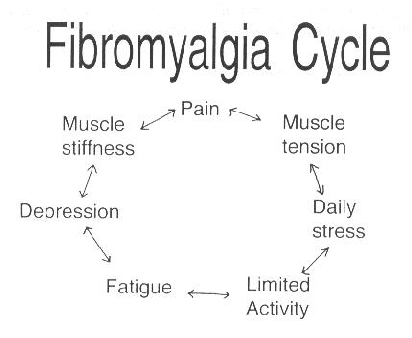 These symptoms are often associated with fibromyalgia but may be due to other comorbid disorders. These symptoms include:
- fatigue
- irritable bowel syndrome (IBS)
- genitourinary symptoms
- dermatological disorders
- headaches
- symptomatic hypoglycemia
Although it is common in people with fibromyalgia for pain to be widespread, it may also be localized in areas such as the shoulders, neck, back, and hips.
Fibromyalgia symptoms may start as a result of trauma (such as a traffic accident) or illness, but there are no strong correlation between any specific type of trigger and the subsequent initiation of fibromyalgia.
Symptoms can have a slow onset, and many patients have mild symptoms beginning in childhood such as growing pains. Signs and symptoms of fibromyalgia are often aggravated by unrelated illness, or changes in the weather. They can become more tolerable or less tolerable throughout daily or yearly cycles.
Many people with fibromyalgia find that, at least some of the time, the disease prevents them from performing normal activities such as driving a car or walking up stairs. The syndrome does not cause inflammation as is presented in arthritis, nor are there any diagnostically abnormal laboratory findings.
Symptoms of fibromyalgia may present periodically or may be continual.
fibromyalgia diagnosis
When making a diagnosis of fibromyalgia, a practitioner would take into consideration the patients case history and the exclusion of other conditions such as endocrine disorders, arthritis, and polymyalgia rheumatica. There are also two criteria established by the American College of Rheumatology for diagnosis:
- A history of widespread pain lasting more than three months. Widespread, as in all four quadrants of the body, i.e., both sides, and above and below the waist.
- Tender points. There are eighteen designated possible tender points (although a person with the syndrome may feel pain in other areas as well). During diagnosis, four kilograms of pressure is exerted at each of the eighteen points; the patient must feel pain at eleven or more of these points for fibromyalgia to be considered. This technique was developed by the American College of Rheumatology as a means of confirming the diagnosis for clinical studies. It is also used in the United Kingdom. Unfortunately, while the vast majority of fibromyalgia patients express pain when these points are pressed, a few patients with a high pain tolerance may not feel exceptional pain during the test.
- obesity
- poor posture when sitting
- coughing frequently
- constipation with strain upon deffication
- frequent bending over or heavy lifting
- heredity
- smoking
- congenital defects
hiatal hernia symptoms include
- reflux
- acidic taste in the mouth
- sore throat with sores in the mouth ( in severe cases )
- pains similar to heartburn, located in the chest and upper stomach. The sensation is of a burning pain in the chest moving upward towards the mouth.
Hiatal hernias affect anywhere from 1 to 20% of the population. Ninety five percent of these reported cases are "sliding" hiatal hernias, in which the LES protrudes above the diaphragm along with the stomach, and only 5% are the "rolling" type, in which the LES remains stationary but the stomach protrudes above the diaphragm.
Besides discomfort from reflux and dysphagia, hiatal hernias can have severe consequences for patients if not treated. While sliding hernias are primarily associated with gastro-esophageal acid reflux (GERD), rolling hernias can strangulate a portion of the stomach above the diaphragm. This strangulation can result in esophageal or GI tract obstruction and even become ischemic and necrotic.
]]>Although many low-carb diets (such as the Atkins diet) are accused of causing ketoacidosis, the condition can only be caused by more extreme conditions, such as in excessive alcohol consumption or in insulin impairment (as in diabetes).
ketoacidosis symptoms
Although not indicative of ketoacidosis alone (these symptoms are associated with many potential disharmonies), these symptoms of ketoacidosis are often found as the environment develops:
- thirst with a desire to drink
- frequent micturition (urination)
- lack of strength
- disorientation
- shortness of breath
- dry skin
- dry mouth
- increased heart rate (tachycardia)
- low blood pressure
- increased rate of breathing
ketoacidosis solutions
Short of treating the diabetes, which is a requirement if this is found to be the cause of the acidic state, there are many therapies available to help lower internal acid levels. Of course, removing the cause, be it sugar or alcohol, is the first step. For most situations, you can try solutions such as those offered at: Snyder Health. There are many positive reports on those following both dietary protocols and utilizing the micro-clustered water systems.
looking at the causes of ketosis
Diabetic ketoacidosis is the result of uncontrolled diabetes mellitus, high blood sugar, or hyperglycemia. In a diabetes sufferer, the spiral begins with a physiologic stress that causes release of catecholamines, glucagon, and cortisol. This stress may be emotional or physical, although the most common cause by far is infection (e.g., pneumonia or urinary tract infection). Simply having uncontrolled hyperglycemia may be sufficient to trigger an attack if significant dehydration occurs.
This process is vastly more common in diabetes mellitus type 1 than in type 2. A key component of Diabetic Ketoacidosis is that there is essentially no circulating insulin. Normally, the balance between storing and releasing energy in the body is controlled by the insulin to glucagon ratio.
]]>cystic fibrosis symptoms
The symptoms of cystic fibrosis usually develop during early childhood. Both lungs and pancreas produce abnormally viscous mucus. This mucus begins to build up and starts to clog the opening to the pancreas and the lungs. The mucus in the lungs can become a growth medium for bacteria, resulting in chronic respiratory infections and eventual permanent damage to the lung tissue. As lung function deteriorates, cystic fibrosis patients develop pulmonary hypertension and eventually Cor Pulmonale. Death usually occurs from severe infection or heart failure. These thick secretions also obstruct the pancreas, preventing digestive enzymes from reaching the intestines to help break down and absorb food.
The disease can be diagnosed by common cystic fibrosis symptoms such as a high salt concentration in a baby's sweat or by genetic testing. Males are also frequently sterile because of the obstruction or absence of the vas deferens.
In addition to pulmonary infections, most people with cystic fibrosis also have problems with digestion, particularly the digestion of fats. This leads to malabsorption and difficulty gaining and maintaining weight, which in turn affects overall health. This is due to the abnormally sticky mucus that blocks the release of digestive enzymes from the pancreas. Pancreatic insufficiency is treated with supplemental enzymes. Usually water-soluble forms of the fat-soluble vitamins A, D, E, and K are required as the decreased fat absorption can lead to deficiencies of these vitamins.
Cystic fibrosis patients often cannot interact with each other, due to worries of cross-infection of MRSA, Pseudomonas, and other bacteria. These infections thrive in the thick mucus of cystic fibrosis patients' lungs and cause complications and possibly even death. Cystic fibrosis patients, thus, should not meet other CF patients with infections other than their own. Because of the risk cystic fibrosis patients face, they must remain in isolation during hospital stays, and special precautions must be taken. This risk previously caused many cystic fibrosis clinics to recommend that cystic fibrosis patients live in isolation and never meet. However recently these views have been changed because of the possible psychological problems this may cause; instead cystic fibrosis patients are encouraged to exercise caution, avoid direct physical contact, and possibly wear surgical masks.
]]>Pancreatic cancer is difficult because the symptoms are non-specific and vary often. Common symptoms of pancreatic cancer include:
- abdominal pain
- loss of appetite
- significant weight loss
- jaundice
- digestive difficulties
- depression
- sudden onset adult diabetes
- swelling in the area to the lower left of the front rib cage
It is important to note that all of these symptoms are not necessarily exclusive to pancreatic cancer. Each can be a sign of many varying diseases. However, if you suspect these signs as pancreatic cancer symptoms, it would be pertinent to contact a health care physician.
Patients diagnosed with pancreatic cancer typically have a poor prognosis. This is not a result of the cancer being more virulent than other cancers, but rather because pancreatic cancer symptoms do not tent to present until later in the progress of the disease. Usually pancreatic cancer causes no symptoms early on and patients thus do not seek early medical intervention.
]]>In all cases, the tumor may be localized at the metaphyseal end of the long bones. Most often it affects the upper end of tibia or humerus, of lower end of femurus. The tumor is solid, hard, irregular ("fir-tree" aspect on X-ray examination) due to the tumor spicules of calcified bone radiating in right angles. Surrounding tissues are infiltrated. Microscopically: Tumor cells are very pleomorphic (anaplastic), some are giant, numerous atypical mitoses. These cells produce osteoid describing irregular trabeculae (amorphous, eosinophilic/pink) with or without central calcification (hematoxylinophilic/blue, granular) - tumor bone. Tumor cells are included in the osteoid matrix. Cartilage may be present. Presence of immature blood vessels (sarcomatous vessels lacking endothelial cells) favors the bloodstream metastasizing.
bone cancer symptoms
Symptoms of bone cancer will first appears as a lump in long bones. Muscles in the area will start to become weaker and may appear to "shorten" or feel tight. some individuals report the sensation upon palpation that the muscles themselves actually detach from the cancering area. Although more of a sign than a symptom, the affected bone portion is not as strong as normal bone matter.
]]>- external or stress-related causes
- bleeding or loss of fluids due to trauma
- loose stools and/or vomiting
- hyperthermia
- shock
- prolonged physical activity without consumption of adequate water, especially in hot environments
- infectious diseases
- cholera
- gastroenteritis
- shigellosis
- malnutrition
- electrolyte imbalance
- excessive consumption of alcohol
- fasting
- severe hyperglycemia, especially in diabetes
- glucosuria
dehydration symptoms
Symptoms of dehydration may include:
- headaches similar to those caused durring a hangover
- low blood pressure
- dizziness or fainting when standing up due to orthostatic hypotension
Untreated dehydration generally results in:
- delirium
- unconsciousness
- death
When looking at advanced stages of prolonged dehydration, one might see the symptoms and signs as follows:
- The mouth may dry out and become caked or coated with thick material.
- The lips may become parched and cracked.
- The tongue would begin to swell, and crack.
- The eyes may recede back into the orbits and the cheeks may become hollow.
- The lining of the nose may crack and cause the nose to bleed.
- The skin may hang loose on the body and become dry and scaly.
- The urine may become highly concentrated, leading to burning of the bladder.
- The lining of the stomach would dry out and the sufferer would experience dry heaves and vomiting.
- The body temperature would become very high.
- The brain cells would dry out, causing convulsions.
- The respiratory tract would dry out, and the thick secretions that would result could plug the lungs and cause death.
- At some point within five days to three weeks, the major organs, including the lungs, heart, and brain, would give out and the individual would die.
In the western world, liver cancer (HCC) most commonly appears in a patient with chronic viral hepatitis (hepatitis B or hepatitis C, 20%) or with cirrhosis (about 80%). These patients commonly undergo surveillance with ultrasound due to the cost-effectiveness.
In patients with a higher suspicion of HCC (such as rising alpha-fetoprotein levels), the best method of diagnosis involves a CT scan of the abdomen using intravenous contrast agent and three-phase scanning (before contrast administration, immediately after contrast administration, and again after a delay) to increase the ability of the radiologist to detect small or subtle tumors. It is important to optimize the parameters of the CT examination, because the underlying liver disease that most HCC patients have can make the findings more difficult to appreciate.
Liver Cancer Symptoms
Symptoms of Liver Cancer are very rarely seen in the early stages. This is due mainly to the fact that Liver cancer, by itself, rarely appears with out the signs and symptoms of the associated disease listed above, that being hepatitis, cirrhosis, and/or a metastases from another cancer. So, liver cancer symptoms could be, but are by no means effective in diagnosis:
- Swelling and tention below the right ribs
- Jaundice
- Light Colored Stools
- Distention and Bloating
- Polyuria and polydypsia
Other even more vague symptoms include:
- Headaches
- Skin problems and disorders
- Allergies
- Dizziness
- Tinnitus
- Tremors, Spasms, Ticks
- Seizures
- Strokes
- Red, itchy eyes
- Irritability, easy to anger
- Hypochondriac pain and mid back tension
- Tight, inflexible tendons and ligaments
- Depression and mood swings
diagnosing liver cancer
On a CAT scan, HCC can have three distinct patterns of growth:
- A single large tumor
- Multiple tumors
- Poorly defined tumor with an infiltrative growth pattern
- Both calcifications and intralesional fat may be appreciated.
In patients who have a contrast agent allergy or poor renal function, an MRI scan of the abdomen is a more costly but effective substitute.
Once imaged, diagnosis is confirmed by percutaneous biopsy and histopathologic analysis.
Microscopically, there are four architectural and cytological types (patterns) of liver cancer: fibrolamellar, pseudoglandular (adenoid), pleomorphic (giant cell) and clear cell. In well differentiated forms, tumor cells resemble hepatocytes, form trabeculae,cords and nests, and may contain bile pigment in cytoplasm. In poorly differentiated forms, malignant epithelial cells are discohesive, pleomorphic, anaplastic, giant. The tumor has a scant stroma and central necrosis because of the poor vascularization.
]]>stomach cancer symptoms
Symptoms of stomach cancer can be hard to find in their early stages. Often there are no symptoms in the early stages and, in many cases, the cancer has spread before it is found. When symptoms do occur, they are often so common to other diseases and so non-invasive that the person ignores them. Symptoms of stomach cancer can include:
- heartburn
- discomfort in the abdomen
- pain in stomach and abdomen
- nausea
- vomiting
- diarrhea and/or constipation
- bloating of the stomach, especially after meals
- loss of appetite
- weakness
- fatigue
- bleeding (either via vomiting blood or via the bowel movements)
Any of these symptoms may be caused by cancer or by other, less serious health problems, such as a stomach virus or an ulcer. Only a doctor can tell the cause. People who have any of these symptoms should see their primary care physician. They may be referred to a gastroenterologist, a doctor who specializes in diagnosing and treating digestive problems. These doctors are sometimes called gastrointestinal (or GI) specialists.
diagnosind stomach cancer symptoms
To find the cause of symptoms, the doctor asks about the patient's medical history, does a physical exam, and may order laboratory tests. These tests include:
- fecal occult blood test (FOBT)
- upper GI series
- gastroscopic exam
Abnormal tissue seen in a gastroscope examination will be biopsied by the surgeon or gastroenterologist. This tissue is then sent to a pathologist for histological examination under a microscope to check for the presence of cancerous cells. A biopsy, with subsequent histological analysis, is the only sure way to confirm the presence of cancer cells.
]]>The body is made up of many types of cells. Normally, cells grow, divide, and produce more cells when they are needed. This process keeps the body healthy and functioning properly. Sometimes, however, cells keep dividing when new cells are not needed. The mass of extra cells forms a growth or tumor. Tumors can be benign or malignant.
- Benign tumors are not cancer. They usually can be removed and, in most cases, they do not come back. Cells in benign tumors do not spread to other parts of the body. Most important, benign tumors are rarely a threat to life.
- Malignant tumors are cancer. Cells in malignant tumors are abnormal and divide without control or order. These cancer cells can invade and destroy the tissue around them. Cancer cells can also break away from a malignant tumor and enter the bloodstream or lymphatic system (the tissues and organs that produce, store, and carry white blood cells that fight infection and other diseases). This process, called metastasis, is how cancer spreads from the original (primary) tumor to form new (secondary) tumors in other parts of the body.
Cancer that begins in the esophagus (also called esophageal cancer) is divided into two major types, squamous cell carcinoma and adenocarcinoma, depending on the type of cells that are malignant. Squamous cell carcinomas arise in squamous cells that line the esophagus. These cancers usually occur in the upper and middle part of the esophagus. Adenocarcinomas usually develop in the glandular tissue in the lower part of the esophagus. The treatment is similar for both types of esophageal cancer.
If the cancer spreads outside the esophagus, it often goes to the lymph nodes first. (Lymph nodes are small, bean-shaped structures that are part of the body's immune system.) Esophageal cancer can also spread to almost any other part of the body, including the liver, lungs, brain, and bones.
Esophageal Cancer Symptoms
Early esophageal cancer symptoms usually are not apparent. However, as the cancer grows, symptoms of esophageal cancer may include:
- difficulty in swallowing often including pain.
- rapid and severe weight loss
- pain in the throat or back, behind the breastbone or between the shoulder blades
- hoarseness and/or chronic cough
- bouts of vomiting
- coughing up blood
- aspiration Pneumonia
- chest pain
These symptoms are not exlusive to esophageal cancer or any other condition. However, when they are apparent, it is important to contact your primary care physician.
Diagnosing Esophageal Cancer
To help find the cause of esophageal cancer symptoms, the doctor evaluates a person's medical history and performs a physical exam. The doctor usually orders a chest x-ray and other diagnostic tests. These tests may include the following:
- An esophagram: A series of x-rays of the esophagus. The patient drinks a liquid containing barium, which coats the inside of the esophagus. The barium makes any changes in the shape of the esophagus show up on the x-rays.
- An endoscopy: An examination of the inside of the esophagus using a thin lighted tube called an endoscope. An anesthetic (substance that causes loss of feeling or awareness) is usually used during this procedure. If an abnormal area is found, the doctor can collect cells and tissue through the endoscope for examination under a microscope. This is called a biopsy. A biopsy can show cancer, tissue changes that may lead to cancer, or other conditions.
esophageal cancer staging
If the diagnosis is esophageal cancer, the doctor needs to learn the stage of disease. Staging is a careful attempt to find out whether the cancer has spread and, if so, to what parts of the body. Knowing the stage of the disease helps the doctor plan treatment. Listed below are descriptions of the four stages of esophageal cancer.
- Stage I. The cancer is found only in the top layers of cells lining the esophagus.
- Stage II. The cancer involves deeper layers of the lining of the esophagus, or it has spread to nearby lymph nodes. The cancer has not spread to other parts of the body.
- Stage III. The cancer has invaded more deeply into the wall of the esophagus or has spread to tissues or lymph nodes near the esophagus. It has not spread to other parts of the body.
- Stage IV. The cancer has spread to other parts of the body. Esophageal cancer can spread almost anywhere in the body, including the liver, lungs, brain, and bones.
Most sufferers of anxiety attacks report a fear of dying, "going crazy", or losing control of emotions and/or behavior. The experiences generally provoke a strong urge to escape or flee the place where the attack begins, and, when associated with chest pain or shortness of breath, a feeling of impending doom and/or tunnel vision.
A person with a phobia will often experience an anxiety attack as a direct result of exposure to the phobic trigger. These anxiety attacks are usually short-lived and rapidly relieved once the trigger is escaped. In conditions of chronic anxiety one anxiety attack can often roll into another one, leading to nervous exhaustion over a period of days.
anxiety attack symptoms
The symptoms of a anxiety attack appear suddenly, without any clearly visible cause. The symptoms may include:
- pounding heartbeat often fast in nature
- increased sweating
- pain in the chest
- Dizziness, lightheadedness, nausea
- Difficulty breathing
- tingling and/or numbness in the face and extremities
- Dreamlike sensations or perceptual distortions (de-realization)
- Disassociation, the perception that one is not connected to the body or even disconnected from space and time.
- Fear of losing control and doing something embarrassing
- Fear of dying
- Feeling of impending doom
- Crying (in relation to the above symptoms)
A anxiety attack typically lasts for several minutes and is one of the most distressing conditions that a person can experience in everyday life.
The various symptoms of a anxiety attack can be understood as follows. First comes the sudden onset of fear with little or no provoking stimulus. This then leads to a release of adrenaline (epinephrine) which cause the so-called fight-or-flight response where the person's body prepares for major physical activity. This leads to an increased heart rate (tachycardia), rapid breathing (hyperventilation), and sweating (which increases grip and aids heat loss).
Because strenuous activity rarely ensues, the hyperventilation leads to carbon dioxide levels lowering in the lungs and then the blood. This leads to shifts in the pH of the blood which then leads to many of the other symptoms such as tingling or numbness, dizziness, and lightheadedness. Anyone who hyperventilates for a while can demonstrate this. For the person with a anxiety attack who does not know this, these symptoms are often seen as further evidence of how serious the condition is. An ensuing vicious cycle of adrenaline release fuels worsening physical symptoms and psychological distress.
]]>Bacterial conjunctivitis, "bacterial pink eye" is most often caused by pyogenic bacteria such as Staphylococcus or Streptococcus from the patient's own skin or respiratory flora. Others are due to infection from the environment or from other people, usually by touch (especially in children), but occasionally via eye makeup or facial lotions.
pink eye symptoms
The main three symptoms of pink eye can be summarized as:
- Redness
- Irritation
- Watering of the eyes
These symptoms are common to all forms of conjunctivitis. Itch is variable.
Acute pink eye infections typically produce the symptoms of beging very itchy, sometimes distressingly so, and the patient often complains of some lid swelling.
Viral pink eye is often associated with an infection of the upper respiratory tract, a common cold, or a sore throat. Thus, pink eye symptoms include watery discharge, variable itch, and the fact that the infection usually begins with one eye, but may spread easily to the other.
Bacterial pink eye due to the common pyogenic bacteria causes marked grittiness/irritation and a stringy, opaque, grey or yellowish mucoid discharge (gowl is a common regional name) that may cause the lids to stick together, especially after sleeping. However discharge is not an essential symptoms for the diagnosis of pink eye. Many other bacteria (eg, Chlamydia, Moraxella) can cause a non-exudative but very persistent conjunctivitis without much redness. The gritty feeling is sometimes localised enough for patients to insist they must have a foreign body in the eye. The more acute pyogenic infections can be painful. Like viral conjunctivitis, it usually affects only one eye but may spread easily to the other eye.
To assess the symptoms, the patient should be examined in a well lit room. Injection (redness) of the conjunctiva on one or both eyes should be apparent, but may be quite mild. Except in obvious pyogenic or toxic/chemical conjunctivitis, a slit lamp (biomicroscope) is needed to have any confidence in the diagnosis. Examination of the tarsal conjunctiva is usually more diagnostic than the bulbar conjunctiva.
Viral pink eye, shows a fine diffuse pinkness of the conjunctiva which is easily mistaken for the 'ciliary injection' of iritis, but there are usually corroborative signs on biomicroscopy, particularly numerous lymphoid follicles on the tarsal conjunctiva, and sometimes a punctate keratitis.
Pyogenic bacterial pink eye shows an opaque purulent discharge, a very red eye, and on biomicroscopy there are numerous white cells and desquamated epithelial cells seen in the 'tear gutter' along the lid margin. The tarsal conjunctiva is a velvety red and not particularly follicular. Non-pyogenic infections can show just mild injection and be difficult to diagnose. Scarring of the tarsal conjunctiva is occasionally seen in chronic infections, especially in trachoma.
]]>a) Seminomas are slow-growing, immature germ cells. Seminomas, when found, tend to be only in the testicles (that is, to be localized), simply because they spread relatively slowly.
b) Nonseminomas, on the other hand, are more mature germ cells which spread more quickly. (Nonseminomas are classified as one of three or four subtypes; their rate of spread varies somewhat but they are treated similarly.)
A case of testicular cancer is categorized as being in one of three stages (which have subclassifications).
1) Stage one is where the cancer remains in the testicle.
2) In stage two, the cancer has spread to the nearest lymph nodes, small bean shaped structures that produce and store infection fighting cells, in the abdomen.
3) In stage three, the cancer has spread further to locations including the kidneys, liver, bones, lungs or brain. The majority of cases are stage 1, when first identified; stage 3 is relatively rare.
testicular cancer symptoms
As testicular cancer is curable when detected early, experts recommend regular monthly testicular self-examination after a hot shower when the scrotum is looser. Men should examine each testicle first feeling for lumps then, compare them together to see if one is bigger than the other.
symptoms of testicular cancer include:
- a lump in one testicle
- pain and tenderness in testicles
- blood in sperm during ejaculation
- build up of fluid in the scrotum
- enlargement or tenderness of breasts
- a dull ache in the lower abdomen or groin
- and an increase, or significant decrease, in the size of one testicle
Men should report any of these to a doctor as soon as possible.
]]>When one thinks of the symptoms of rabies, a stereotypical image of an infected ("rabid") animal is a "mad dog" foaming at the mouth, but most mammals can become rabid, including cats, rabits, raccoons, skunks, foxes and wolves. Rabies may also present in a so-called 'paralytic' form, rendering the infected animal unnaturally quiet and withdrawn.
After a typical human infection by animal bite, the virus enters the nervous system. It then travels along the nerves towards the central nervous system. During this phase, there are no readily apparent rabies symtpoms.
The period between infection and the first flu-like symptoms is normally three to twelve weeks, but can be as long as two years. Soon after, the symptoms expand to cerebral dysfunction, anxiety, insomnia, confusion, agitation, abnormal behaviour, hallucinations, and progressing to delirium.
The production of large quantities of saliva and tears coupled with an inability to speak or swallow are typical during the later stages of the disease; this is known as "hydrophobia".
Death almost invariably results 2-10 days after the first symptoms; the handful of people who are known to have survived the disease were all left with severe brain damage.
]]>ringworm symptoms and diagnosis
The most well known ring worm symptoms are the appearance of one or more red raised itchy patch with defined edges. These patches are often lighter in the center, taking on the appearance of a ring. If the infected area involves the scalp or beard area, then bald patches may become evident. When the nails are affected, they may thicken, become discolor, and finally crumble.
Doctors can diagnose ringworm on sight, or they may take a skin scraping. This is examined under a microscope, or put on an agar plate in a microbiology laboratory and allowed to grow.
Ringworm symptoms usually present within 10 to 14 days of exposure. As ring worm grows, the rash may start out looking like a small dot, and eventually opens up into a larger rash. Many people report that ringworm is extremely itchy, but this is not a requirement.
]]>signs and symptoms of neuropathy
Neuropathy often results in numbness, abnormal sensations called dysthesias and allodynias that occur either spontaneously or in reaction to external stimuli, and a characteristic form of pain, called neuropathic pain or neuralgia, that is qualitatively different from the ordinary nociceptive pain one might experience from stubbing a toe or hitting a finger with a hammer.
Neuropathic pain is usually perceived as a steady burning and/or "pins and needles" and/or "electric shock" sensations. The difference is due to the fact that "ordinary" pain stimulates only pain nerves, while a neuropathy often results in the firing of both pain and non-pain (touch, warm, cool) sensory nerves in the same area, producing signals that the spinal cord and brain do not normally expect to receive.
Auditory neuropathy
Auditory neuropathy (AN) is a form of hearing loss in which the cochlea's hair cells are present and functional, but the sound signal does not reach the auditory nerve and brain properly. There are several possible causes of auditory neuropathy. AN is likely under-diagnosed due to the difficult of distinguishing AN from hearing loss caused damage to the hair cells.
Because the cochlea is properly detecting the sound but the nerve impulses can not either reach or be interpreted by the brain, hearing aids are usually not beneficial (though in cases with residual hearing improvement in signal to noise can help).
]]>Common signs and symptoms autonomic neuropathy (in combination or alone):
- urinary bladder
- bladder incontinence or urine retention
- gastrointestinal tract
- dysphagia
- abdominal pain
- nausea
- vomiting
- malabsorption
- fecal incontinence
- diarrhea
- constipation
- cardiovascular system
- disturbances of heart rate (tachycardia and/or bradycardia)
- orthostatic hypotension
- inadequate increase of heart rate on exertion
- other
- erectile impotence
- hypoglycemia unawareness
- Polyneuropathy - Multiple neuropathies, or diseases of the nerves.
- Organomegaly - Enlargement of the liver and spleen
- Endocrinopathy - Any disease resulting from disorder of an endocrine gland or glands
- M-protein - Abnormal protein antibody
- Skin changes - Including an increase in pigmentation and excess growth of hair, possibly caused by endocrine disease, esp. of the adrenal gland, and in women, disease of the ovaries.
The main risk factor for diabetic neuropathy is hyperglycemia. In the DCCT (Diabetes Control and Complications Trial, 1995) study, the annual incidence of neuropathy was 2% per year, but dropped to 0.56% with intensive treatment of Type 1 diabetics. The progression of neuropathy is dependent on the degree of glycemic control in both Type 1 and Type 2 diabetes. Duration of diabetes, age, cigarette smoking, hypertension, height and hyperlipidemia are also risk factors for diabetic neuropathy.
There are four factor involved in the development of diabetic neuropathy: microvascular disease, advanced glycated end products, protein kinase C, and the polyol pathway.
Vascular and neural diseases are closely related and intertwined. Blood vessels depend on normal nerve function, and nerves depends on adequate blood flow. The first pathological change in the microvasculature is vasoconstriction. As the disease progresses, neuronal dysfunction correlates closely with the development of vascular abnormalities, such as capillary basement membrane thickening and endothelial hyperplasia, which contribute to diminished oxygen tension and hypoxia. Neuronal ischemia is a well-established characteristic of diabetic neuropathy. Vasodilator agents (e.g., angiotensin-converting-enzyme inhibitors) can lead to substantial improvements in neuronal blood flow, with corresponding improvements in nerve conduction velocities. Thus, microvascular dysfunction occurs early in diabetes, parallels the progression of neural dysfunction, and may be sufficient to support the severity of structural, functional, and clinical changes observed in diabetic neuropathy.
Elevated intracellular levels of glucose cause a non-enzymatic covalent bonding with proteins, which alters their structure and destroys their function. Certain of these glycated proteins are implicated in the pathology of diabetic neuropathy and other long term complications of diabetes.
symptoms of diabetic neuropathy
Diabetic neuropathy affects all peripheral nerves: pain fibers, motor neurons, autonomic nerves. It therefore necessarily can affect all organs and systems since all are innervated. There are several distinct syndromes based on the organ systems and members affected, but these are by no means exclusive. A patient can have sensorimotor and autonomic neuropathy or any other combination.
sensorimotor polyneuropathy symptoms/h4>
Longer nerve fibers are affected to a greated degree than shorter ones, because nerve conduction velocity is slowed in proportion to a nerve's length. In this syndrome, decreased sensation and loss of reflexes occurs first in the toes bilaterally, then extends upward. It is usually described as glove-stocking distribution of numbness, sensory loss, dysesthesia and nighttime pain. The pain can feel like burning, pricking sensation, achy or dull. Pins and needles sensation is common. Loss of proprioception, that is, the sense of where a limb is in space, is affected early. These patients cannot feel when they are stepping on a foreign body, like a splinter, or when they are developing a callous from an ill-fitting shoe. Consequently, they are at risk for developing ulcers and infections on the feet and legs, which can lead to amputation. Similarly, these patients can get multiple fractures of the knee, ankle or foot, and develop a Charcot joint. Loss of motor function results in dorsiflexion contractures of the toes, loss of the interosseous muscle function and leads to contraction of the digits, so called hammertoes. These contractures occur not only in the foot but also in the hand where the loss of the musculature makes the hand appear gaunt and skeletal. The loss of muscular function is progressive.
Autonomic Neuropathy Symptoms
The autonomic nervous system is composed of nerves serving the heart, GI tract and urinary system. Autonomic neuropathy can affect any of these organ systems. The most commonly recognized autonomic dysfuction in diabetics is orthostatic hypotension, or the uncomfortable sensation of fainting when a patient stands up. In the case of diabetic autonomic neuropathy, it is due to the failure of the heart and arteries to appropriately adjust heart rate and vascular tone to keep blood continually and fully flowing to the brain. This symptom is usually accompanied by a loss of sinus respiratory variation, that is, the usual change in heart rate seen with normal breathing. When these 2 findings are present, cardiac autonomic neuropathy is present.
GI tract manifestations include delayed gastric emptying, gastroparesis, nausea, bloating, and diarrhea. Because many diabetics take oral medication for their diabetes, absorption of these medicines is greatly affected by the delayed gastric emptying. This can lead to hypoglycemia when an oral diabetic agent is taken before a meal and does not get absorbed until hours, or sometimes days later, when there is normal or low blood sugar already. Sluggish movement of the small instestine can cause bacterial overgrowth, made worse by the presence of hyperglycemia. This leads to bloating, gas and diarrhea.
Urinary symptoms include urinary frequency, urgency, incontinence and retention. Again, because of the retention of sweet urine, urinary tract infections are frequent. Urinary retention can lead to bladder diverticula, stones, reflux nephropathy.
Cranial Neuropathy Symptoms
When cranial nerves are affected, oculomotor (3rd) neuropathies are most common. The oculomotor nerve controls all of the muscles that move the eye with the exception of the lateral rectus and superior oblique muscles. It also serves to constrict the pupil and open the eyelid. The onset of a diabetic third nerve palsy is usually abrupt, beginning with frontal or periorbital pain and then diplopia. All of the oculomotor muscles innervated by the third nerve may be affected, except for those that control pupil size. The sixth nerve, the abducens nerve, which innervates the lateral rectus muscle of the eye (moves the eye laterally), is also commonly affected but fourth nerve, the trochlear nerve, (innervates the superior oblique muscle, which moves the eye downward) involvement is unusual. Mononeuropathies of the thoracic or lumbar spinal nerves can occur and lead to painful syndromes that mimic myocardial infarction, cholecystitis or appendicitis. Diabetics have a higher incidence of entrapment neuropathies, such as carpal tunnel syndrome.
]]>Mechanical pressure from staying in one position for too long, a tumor, intraneural hemorrhage, exposing the body to extreme conditions such as radiation, cold temperatures, or toxic substances can also cause peripheral neuropathy.
Many of the diseases of the peripheral nervous system may present similarly to muscle problems (myopathies), and so it is important to develop approaches for assessing sensory and motor disturbances in patients so that a physician may make an accurate diagnosis.
Peripheral neuropathies may either be symmetrical and generalized or focal and multifocal, which is usually a good indicator of the cause of the peripheral nerve disease.
generalized peripheral neuropathy
Generalized peripheral neuropathies are symmetrical, and usually due to various systematic illnesses and disease processes that affect the peripheral nervous system in its entirety. They are further subdivided into several categories:
- Distal axonopathies are the result of some metabolic or toxic derangement of neurons. They may be caused by metabolic diseases such as diabetes, renal failure, deficiency syndromes such as malnutrition and alcoholism, or the effects of toxins or drugs.
- Myelinopathies are due to a primary attack on myelin causing an acute failure of impulse conduction. The most common cause is acute inflammatory demyelinating polyneuropathy (AIDP; aka Guillain-Barré syndrome), though other causes include chronic inflammatory demyelinating syndrome (CIDP), genetic metabolic disorders (e.g., leukodystrophiy), or toxins.
- Neuronopathies are the result of destruction of peripheral nervous system (PNS) neurons. They may be caused by motor neurone diseases, sensory neuronopathies (e.g., Herpes zoster), toxins or autonomic dysfunction. Neurotoxins may cause neuronopathies, such as the chemotherapy agent vincristine.
signs and symptoms of peripheral neuropathy
Those with diseases or dysfunctions of their peripheral nerves can present with problems in any of the normal peripheral nerve functions.
In terms of sensory function, there are commonly loss of function (negative) symptoms, which include numbness, tremor, and gait imbalance.
Gain of function (positive) symptoms include tingling, pain, itching, crawling, and pins and needles.
Motor symptoms include loss of function (negative) symptoms of weakness, tiredness, heaviness, and gait abnormalities; and gain of function (positive) symptoms of cramps, tremor, and fasciculations.
There is also pain in the muscles (myalgia), cramps, etc., and there may also be autonomic dysfunction.
During physical examination, those with generalized peripheral neuropathies symptoms, most commonly have distal sensory or motor and sensory loss, though those with a pathology (problem) of the peripheral nerves may be perfectly normal; may show proximal weakness, as in some inflammatory neuropathies like Guillain-Barré syndrome); or may show focal sensory disturbance or weakness, such as in mononeuropathies, radiculopathies and plexopathies.
Common disorders of the peripheral nerves include focal entrapment neuropathies (e.g., carpal tunnel syndrome), generalized peripheral neuropathies (e.g., diabetic neuropathy), plexopathies (e.g., brachial neuritis) and radiculopathies (e.g., of cranial nerve VII; Facial nerve).
]]>diagnosing eating disorders via the symptoms of eating disorders
The two major types of eating disorder (differentiated by the displayed symptoms of eating disorders) which will be the most familiar to many are:
- Anorexia
- Bulimia nervosa
- Binge eating disorder (is similar to bulimia. Large amounts of food are consumed at a sitting but retained in the stomach rather than being regurgitated.)
- Orthorexia (the sufferer is overly obsessed with the consumption of what they see as the 'right' foods for them (vegan, raw foods, etc), to the point where their nutrition and quality of life suffers. food phobias about what they can and can't eat
- Pica, or the habitual ingestion of in-edibles, such as dirt, wood, hair, etc.
There are many different degrees of anorexia and bulimia. Anorexia may be mild, where a person may eat but only allow themselves certain foods, or severe to the point of literally starving themselves to the point of death. There are other forms of purging besides vomiting- compulsive exercise, laxatives, and enemas being the other main ones. Other sufferers also allow themselves a small variety of foods and exercise compulsively, being categorized as eating disorder not otherwise specified. Three-fourths of patients fall into this category and their symptoms may be more severe and life threatening than those suffering from anorexia, bulimia or binge eating disorder
Anyone can have an Eating Disorder, but it most often occurs with young teens because they are the most at risk, due to their extreme exposure to the media. Teen’s feelings of need to conform to an idea of beauty that the media projects can be too much for some to deal with and can force them to take drastic measures to change their appearance.
]]>Clinical depression affects about 16% of the population on at least one occasion in their lives. The mean age of onset, from a number of studies, is in the late 20s. About 2 times as many females as males report or receive treatment for clinical depression, though this imbalance is shrinking over the course of recent history; this difference seems to completely disappear after the age of 50 - 55, when most females have undergone the end of menopause. Clinical depression is currently the leading cause of disability in the US as well as other countries, and is expected to become the second leading cause of disability worldwide (after heart disease) by the year 2020, according to the World Health Organization.
clinical depression symptoms
According to the DSM-IV-TR criteria for diagnosing a major depressive disorder one or both of the following two required elements need to be present:
- Depressed mood, or
- Loss of interest or pleasure.
It is sufficient to have either of these symptoms in conjunction with four of a list of other clinical depression symptoms, which include:
In older children and adolescents, an additional symptom of clinical depression may be the use of drugs or alcohol. Moreover, depressed adolescents are at risk for further destructive behaviours, such as eating disorders and self-harm.
One of the most widely used instruments for measuring depression severity is the Beck Depression Inventory, a 21 question multiple choice survey.
It is hard for people who have not experienced clinical depression, either personally or by regular exposure to people suffering it, to understand its emotional impact and severity, interpreting it instead as being similar to "having the blues" or "feeling down". As the list of symptoms above indicates, clinical depression is a syndrome of interlocking symptoms which goes far beyond sad or painful feelings. A variety of biological indicators, including measurement of neurotransmitter levels, have shown that there are significant changes in brain chemistry and an overall reduction in brain activity. One consequence of a lack of understanding of its nature is that depressed individuals are often criticized by themselves and others for not making an effort to help themselves. However, the very nature of depression alters the way people think and react to situations to the point where they may become so pessimistic that they can do little or nothing about their condition. Because of this profound and often overwhelmingly negative outlook, it is imperative that the depressed individual seek professional help. Untreated depression is typically characterized by progressively worsening episodes separated by plateaus of temporary stability or remission. If left untreated it will generally resolve within six months to two years although occasionally depression becomes chronic and lasts for many years or indefinitely. In many cases (but not all) treatment can shorten the period of distress to a matter of weeks. While depressed, the person may damage themselves socially (e.g. the break up of relationships), occupationally (e.g. loss of a job), financially and physically. Treatment of depression can significantly reduce the incidence of this damage, including reducing the risk of suicide which is otherwise a common and tragic outcome. For all of these reasons, treatment of clinical depression is seen by many as very useful and at times life saving.
Some people can experience anhedonia for long periods of time before they discover it is a mental illness. The inability to feel pleasure can advance negativity already present in a depressed person's mental state.
types of major clinical depression (separated out by symptoms)
Major depression is also referred to as major depressive disorder or biochemical, clinical, endogenous, unipolar, or biological depression. It is characterized by a severely depressed mood that persists for at least two weeks. Episodes of depression may start suddenly or slowly and can occur several times through a person's life. Major depressive disorder may be categorized as "single episode" or "recurrent" depending on whether previous episodes have been experienced before.
Clinicians recognise several subtypes of major depression.
- Psychotic depression is accompanied by hallucinations or delusions.
- Melancholic depression (what used to be referred to as endogenous depression) is characterized by insomnia, poor appetite and weight loss, less responsive mood, and morning worsening.
- Atypical depression is characterized by "reversed vegetative symptoms" which include oversleeping, overeating, leaden paralysis, rejection sensitivity and temporary brightening of mood in response to positive events. It may overlap with anxiety and panic attacks. It is often more chronic than melancholic depression.
- Dysthymia is a long-term, mild depression that lasts for at least two years. By definition the symptoms are not as severe as in major depression, although those with dysthymia are highly likely to have superimposed major depressive episodes (known as "double depression"). It often begins in adolescence and spans several decades.
Major depression may also be referred to as unipolar affective disorder, a term which emphasizes its relatedness to bipolar disorder.
unipolar vs bipolar disorder
Bipolar disorder is a cyclical illness in which moods fluctuate between mania (extreme happiness or giddiness and frantic activity) and clinical depression. Bipolar disorder has also been commonly called "manic depression", although this usage is now unpopular with psychiatrists, who have standardised on Kraepelin's usage of the term "manic depression" to describe the whole bipolar spectrum that includes both bipolar disorder and unipolar depression; they now usually use the term bipolar disorder. This then leaves the term unipolar depression which is used to differentiate it from bipolar disorder.
]]>There are many different ways to categorize heart failure, including the side of the heart involved (left heart failure vs. right heart failure) or whether the abnormality is due to contraction or relaxation of the heart (systolic heart failure vs. diastolic heart failure).
Individuals with heart failure are sensitive to small shifts in their intravascular volume status (the amount of fluid in their circulatory system). Increasing the volume in their circulatory system can cause symptoms and signs of decompensated heart failure, while decreasing the volume in the circulatory system can cause hypotension.
Signs of decompensated heart failure include pulmonary edema (fluid building up in the lungs), peripheral edema (fluid building up in dependent portions of the body).
symptoms of congestive heart failure include:
- dyspnea on exertion (shortness of breath)
- fatigue
- paroxysmal nocturnal dyspnea (shortness of breath when lying down).
The NYHA functional class is a commonly used way to gauge the progression of CHF in a particular patient. This classification is used to determine how much CHF limits their lifestyle, and does not apply to a particular decompensated episode.
treatmenting the symptoms of congestive heart failure
The treatment congestive heart failure focuses on treating the signs and symptoms of congestive heart failure and preventing the progression of disease. If there is a reversible cause of the heart failure (e.g. infection, alcohol ingestion, anemia, thyrotoxicosis, arrhythmia, or hypertension), that should be addressed as well.
Treating the signs and symptoms of Congestive heart failure involves maintaining a euvolemic state (normal fluid level in the circulatory system). This is done with the judicious use of diuretic agents, vasodilator agents, and positive inotropes. Certain subgroups may benefit from Bi-ventricular pacemaker placement or surgical remodelling of the heart. While these treatment modalities may make the patient symptomatically better, either they have not been shown to improve survival in large clinical studies or those studies have not been performed.
In the recently completed COMPANION trial, cardiac resynchronization therapy (pacing both the left ventricle as well as the right ventricle) has been shown to improve survival in individuals with NYHA class III or IV heart failure with a widened QRS complex on EKG.
Delaying the progression of heart failure involves the use of ACE inhibitors, beta blockers, and aldosterone inhibitors. These agents have been proven to improve survival in individuals with CHF. While the mechanism of improving is not entirely clear, it appears that these agents prevent remodelling of the heart and therefore prevent progression of dilatation of the left ventricle.
The ultimate treatment is cardiac transplant surgery (heart transplant) or implantation of an artificial heart.
]]>concussion symptoms
Common concussion symptoms are:
- loss of consciousness
- drowsiness
- double vision
- seizures
- headache
More advanced concussion symptoms may include:
A fluid drainage from nose, mouth or ear (is strongly indicative of the tearing of sheaths surrounding the brain, and can lead to secondary brain infection.)
Especially in case of an extradural haematoma, symptoms of concussion may worsen after a temporary incline in general health. Typically it results from a blow to the side of the head. Patients are momentarily dazed or knocked out, followed by a period of relative lucidity which can last minutes or hours. Thereafter there is rapid decline as the blood collects, causing pressure on the brain.
after an accident: help minimize concussion symptoms
Even if the patient is conscious, any head trauma should be regarded as a medical emergency. In case of a head trauma and loss of consciousness, first the person’s airway, breathing and circulation should be controlled (ABC of medical emergency) and then the head and neck should be stabilized and kept in line with the spinal cord. Attempts should be made to stop any bleeding by firmly pressing a clean cloth (if the bleeding wound is on a suspected skull fracture no pressure should be applied). The injured person should be evaluated with the Glasgow Coma Scale immediately after the injury, and at regular intervals if desired. This would aid in diagnosing the patient as having mild, moderate, or severe concussion.
Even people with slight head injuries, with no apparent signs or complaints, should be observed cautiously. During the first 24 hours after the incident, an observer can wake the victim every 2-3 hours and ask specific questions (e.g. his/her address or occupation, or today's date).
In case of vomiting, drowsiness, personality change or severe headache, the victim should be transferred to a medical emergency unit. Mild headache and slight dizziness after a concussion is expected and does not necessarily require medical aid, if these symptoms do not persist.
Continuous head injuries (caused e.g. by boxing or other contact sports) can lead to a kind of dementia called Punch-drunk syndrome or to a Parkinson's Disease-like syndrome (dementia pugilistica) in the long run. A severe injury may lead to a coma, and eventually, death.
A closed (non-missile) concussion occurs when the head suddenly and violently hits an object, but the object does not break through the skull.
A penetrating (missile) concussion occurs when an object pierces the skull and enters the brain tissue.
]]>The risk of getting breast cancer increases with age. For a woman who lives to the age of 90 the odds of getting breast cancer her entire lifetime is about 12.5% or 1 in 8. Men can also develop breast cancer, although their risk is less than 1 in 1000. This risk is modified by many different factors. In some families, there is a strong inherited familial risk of breast cancer. Some racial groups have a higher risk of developing breast cancer - notably, women of European and African descent have been noted to have a higher rate of breast cancer than women of Asian origin.
Other established risk factors include having no children, delaying first childbirth, not breastfeeding, early menarche (the first menstrual period), late menopause and taking hormone replacement therapy.
The probability of breast cancer rises with age but breast cancer tends to be more aggressive when it occurs in younger women. One type of breast cancer that is especially aggressive and disproportionately occurs in younger women is Inflammatory Breast Cancer. It is initially staged as Stage IIIb or Stage IV. It also is unique because it often does not present with a lump so that it often is not detected by mammography or ultrasound. It presents with the signs and symptoms of a breast infection like mastitis.
Two genes, BRCA1 and BRCA2, have been linked to the familial form of breast cancer. Women in families expressing mutations in these genes have a much higher risk of developing breast cancer than women who do not. Together with Li-Fraumeni syndrome (p53 mutations), these genetic abberations determine around 5% of all breast cancer cases, suggesting that the remainer is sporadic. Genetic counseling and genetic testing should be considered for families who may carry a heritidary form of cancer.
identifying breast cancer symptoms
Symptoms of breast cancer are often subtle, and self discovery can be alusive. Due to the high incidence of breast cancer among older women, screening is now recommended in many countries. Screening methods suggested include breast self-examination and mammography. Only mammography has been proven to reduce mortality from breast cancer. In some countries routine (annual) mammography of older women is encouraged as a screening method to diagnose early breast cancer.
At this stage mammography is still the modality of choice for screening of early breast cancer symptoms. It is the gold-standard for other imaging methods such as ultrasound, MRI and CT which are less useful due to their lower spatial resolution. CT by itself is nearly useless for breast cancer screening as MRI provides better resolution and quality (and costs much more).
Breast cancers detected by mammography are usually smaller than those detected clinically, and women who undergo mammography are more likely to be eligible for breast-conserving therapy.
diagnosing breast cancer symptoms
Many breast cancers are diagnosed now by mammography before they are large enough to be palpated, but despite screening efforts, many women are diagnosed with breast cancer after they notice a lump or when experiencing symptoms due to metastatic disease.
Breast cancer can be suspected after a cautious clinical history, physical examination and imaging (either mammography or ultrasound). The diagnosis can only be established when a suspicious lump is biopsied for histological confirmation of whether it is malignant or not. The biopsy is usually performed either with a fine needle guided by ultrasound or with a larger "core" needle. Some cases require an open biopsy after wire localization under x-ray.
A pathology report will usually contain a description of cell type and grade. Other useful information derived from the pathology laboratory include estrogen receptor and progesterone receptors status and HER2Neu status; these can help to guide treatment. The most common invasive breast cancer cell type is infiltrating ductal carcinoma. Other types include ductal carcinoma in situ (DCIS), lobular carcinoma in situ (LCIS), infiltrating lobular carcinoma, medullary carcinoma.
After diagnosis, the next phase is tumour staging - this aims to assess the extent of the tumour and whether or not it has metastasized (spread to distant sites).
Staging
For suspicious, high risk cases, other investigations which include CT scans, nuclear medicine imaging, chest X-rays and blood tests will be done to look for any metastasis or secondary cancer that has spread a long way from the site of the primary tumour.
The standard way of categorising tumour is by staging it using the TNM (Tumour, Nodes and Metastasis) system, which in turn determines treatment recommendations. The TNM system is specific for each type of cancer. Some biological features of the cancer such as estrogen receptor and HER2-neu oncogene expression are also determined as they also affect treatment recommendations.
The TNM classification of breast cancer:
- Tumor size:
- T0 no primary tumor found
- Tis in situ
- T1 =< 2 cm
- T1mic ≤ 0.1 cm (microinvasive)
- T1a > 0.1 to 0.5 cm
- T1b > 0.5 to 1 cm
- T1c > 1 to 2 cm
- T2 > 2 to 5 cm
- T3 > 5 cm
- T4 Chest wall /skin
- T4a Chest wall
- T4b Skin oedema (peau d'orange), ulceration, or satellite skin modules
- T4c Both 4a and 4b
- T4d Inflammatory carcinoma
- Lymph nodes:
- N0 No lymph nodes
- N1 Movable axillary
- N2a Fixed axillary
- N2b Internal mammary clinically apparent
- N3a Infraclavicular
- N3b Internal mammary clinically apparent with axillary lymph node involvement
- N3c Supraclavicular lymph nodes
- Distant metastasis:
- M0 No
- M1 Yes
Stage grouping:
- Stage 0: Tis
- Stage I: T1,N0,M0
- Stage IIA: T0-1,N1,M0 or T2,N0,M0
- Stage IIB: T2,N1,M0 or T3,N0,M0
- Stage IIIA: T3,N1,M0 or T0-3,N2,M0
- Stage IIIB: T4,any N,M0
- Stage IIIC: any T,N3,M0
- Stage IV: any T,any N,M1
The cancer is staged depending on factors which include the size of the tumour, whether there is lymph node involvement or not and whether there is distant spread of cancer cells. Stages are a composite of the TNM. Stage I is small tumor (T1) without any spread, while stage IV is metastatic disease. Stages correllate with long-term prognosis, and treatment decisions are often made on the basis of the stage.
]]>In patients with diabetes mellitus or kidney disease studies have shown that blood pressure over 130/80 mmHg should be considered a risk factor and may warrant treatment.
high blood pressure symptoms
Hypertension is usually found incidentally - "case finding" by healthcare professionals. It normally produces no physical symptoms of high blood pressure.
Malignant symptoms of high blood pressure (or accelerated high blood pressure) is distinct as a late phase in the condition, and may present with:
- headaches
- blurred vision
- end-organ damage
It is recognized that stressful situations can increase the blood pressure (and thus high blood pressure symptoms); if a normally normotensive patient has a high blood pressure only when being reviewed by a health care professional, this is colloquially termed white coat effect. Since most of what we know of high blood pressure and its outcome with or without modification is based on large series of readings in doctors' offices and clinics (eg Framingham) it is difficult to be sure of the significance of white-coat high blood pressure. Ambulatory monitoring may help determine whether traffic and ticket inspectors produce similar sustained rises.
Hypertension is often confused with mental tension, stress and anxiety. While chronic anxiety is associated with poor outcomes in people with high blood pressure, it alone does not cause it.
possible causes of high blood pressure (essential)
- Age. Over time, the number of collagen fibers in artery and arteriole walls increases, making blood vessels stiffer. With the reduced elasticity comes a smaller cross-sectional area in systole, and so a raised mean arterial blood pressure.
- High salt intake
- Sedentary lifestyle
- Tobacco smoking
- Alcohol abuse
- High levels of saturated fat in the diet
- Obesity. In obese subjects, losing a pound in weight generally reduces blood pressure by 1mmHg.
- Stress
- Low birth-weight
- Diabetes mellitus
- Various genetic causes
possible causes of high blood pressure (inessential)
- Pregnancy.
- Kidney disease or renal artery stenosis
- Certain cancers
- Drugs. In particular, alcohol, nasal decongestants with adrenergic effects, NSAIDs, MAOIs, adrenoceptor stimulants, and the contraceptive pill (ethinyl-estradiol) can cause high blood pressure while in use.
- Malformed aorta
- Slow pulse
- Anemia
- Fever
- Aortic valve disease
Lyme Disease symptoms are many, but skin symptoms, arthritis and various neurological symptoms are usually present.
acute "early" symptoms of lyme symptoms
- "bull's-eye" rash (erythema migrans - a circle or ring of inflamed skin surrounding the initial tick bite) or papular/raised rash.
- fever
- malaise
- fatigue
- headache
- muscle and joint aches
- sore throat
- sinus infection
- paralysis - usually associated with Lyme meningitis or Rocky Mountain Spotted Fever.
The incubation period from infection to the onset of symptoms is usually 1-2 weeks, but can be as long as one month. However, it is possible for an infected person to display no symptoms, or display only one or two symptoms, which can make diagnosis difficult.
chronic "late" symptoms of lyme disease
- meningitis
- neuropathy - numbness, tingling, burning
- muscle and joint aches
- tremor, twitches
- Bell's palsy
- pain
- immune supression
- myalgia
- fatigue
- hallucinations
- short-term memory loss
The late symptoms of Lyme disease can appear months to years from infection. Left untreated, Lyme disease can cause chronic disability, but is rarely fatal. Chronic cases have been known to linger for years before a definitive diagnosis.
Lyme Disease has been misdiagnosed as Chronic-Fatigue Syndrome, Multiple Sclerosis, Rheumatoid arthritis and a host of other autoimmune and neurological diseases.
Cause of lyme disease
It is caused by the bacterium Borrelia, which has well over a hundred known genomic strains but is usually cultured as Borrelia burgdorferi, Borrelia afzelii and Borellia garinii.
The disease has been found to be transmitted to humans by the bite of infected ticks. Not all ticks carry or can transmit the disease.
Lyme disease also incoporates the transmissions of tick borne co-infections including Bartonella, Babesiosis, Ehrlichiosis, and Rickettsia.
lyme disease treatement
Treatment of Lyme disease usually consists of a minimum one month course of antibiotics, preferably doxycycline.
Patients with coinfections may need prolonged treatment to recover or go into remission.
With the chronic late-stage form of the disease, it may be necessary to continue antibiotic treatment for months or years. In some cases immunomodulating drugs are necessary.
]]>The main symptom of heartburn is a painful burning sensation in the upper chest. If the heartburn symptoms are intense, pain may radiate up into the neck and arms.
pathophysiology
It is caused by the failure to close the lower esophageal sphincter (LES) at the top of the stomach. This allows stomach contents, now mixed with gastric acid, to return into the esophagus. This return is also known as reflux, and may progress to gastroesophageal reflux disease (GERD) if it occurs frequently. Peristalsis, the rhythmic wave of muscular contraction in the esophagus, normally moves food down and past the LES.
causes of heartburn:
Many foods are known to cause heartburn. Here is a short list of these foods:
- Alcohol
- Coffee, tea, cola, and other caffeinated and carbonated beverages
- Chocolate
- Citrus fruits and juices
- Tomatoes and tomato sauces (such as pizza and pasta sauce)
- Spicy foods and fatty foods (including full-fat dairy products)
- Peppermint and spearmint
heartburn treatment
If heartburn occurs when lying down, raising the head with pillows or sitting up frequently provides relief – although care must be taken to avoid placing continuous strain on the neck. Avoidance of certain foods shortly before bedtime is frequently advised as a preventative heartburn treatment.
Antacids, H2-receptor antagonists and proton pump inhibitors are used (in that order) to treat heartburn.
]]>gerd symptoms
Adults
The most prominent symptom of gerd is heartburn, the sensation of burning pain in the chest coming upward towards the mouth caused by reflux of acidic contents from the stomach to the esophagus.
Patients with gerd also tend to get the feeling of a sour or salty taste at the back of their throats due to regurgitation. This can sometimes happen even if the pain of heartburn is absent.
Less common gerd symptoms include:
- Chest pain without any of the above
- Dysphagia (difficulty swallowing)
- Halitosis (bad breath)
- Regurgitation (vomit-like taste in the mouth)
- Repeated throat clearing
- Water brash (the sensation of a large amount of non-acid liquid due to sudden hypersecretion of saliva)
complications of gerd symptoms:
- Strictures or scarring of esophagus (especially young children).
- Barrett's esophagus (sometimes referred to as Barrett's Disease)
- Esophageal cancer
important warning symptoms of gerd:
- Trouble swallowing Dysphagia requires immediate medical attention
- Vomiting blood or partially digested blood (looks like coffee grounds) requires immediate medical attention as does digested blood in the stools.
Children
GERD is commonly overlooked in infants and children. Symptoms may vary from typical adult symptoms. GERD in children may cause repeated vomiting, effortless spitting up, coughing, and other respiratory problems. Inconsolable crying, failure to gain adequate weight, refusing food and bad breath are also common. Children may have one symptom or many - no single symptom is universally present in all children with GERD.
Babies' immature digestive systems are usually the cause, and most infants stop having acid reflux by the time they reach their first birthday. Some children don't outgrow acid reflux, however, and continue to have it into their teen years. Children that have had heartburn that doesn't seem to go away, or any other symptoms of GERD for a while, should talk to their parents and visit their doctor.
diagnosing gerd
A detailed history taking is vital to the diagnosis. Useful investigations may include barium swallow X-rays, esophageal manometry, esophageal pH monitoring and Esophagogastroduodenoscopy (EGD). In general, an EGD is done when the patient does not respond well to treatment, has had symptoms or required medications for a prolonged time (generally 5 years), has dysphagia, anemia, blood in the stool (detected chemically), has weight loss, or has changes in the voice.
Esophagogastroduodenoscopy (EGD) (a form of endoscopy) involves the insertion of a thin scope through the mouth and throat into the esophagus and stomach (often while the patient is sedated) in order to assess the internal surface of the esophagus, stomach and duodenum
Biopsies can be performed during gastroscopy and these may show:
- Edema and basal hyperplasia (non-specific inflammatory changes)
- Lymphocytic inflammation (non-specific)
- Neutrophilic inflammation (usually either reflux or Helicobacter gastritis)
- Eosinophilic inflammation (usually due to reflux)
- Goblet cell intestinal metaplasia or Barretts esophagus.
- Dysplasia or pre-cancer.
- Carcinoma.
- Rapid testing assays can quickly detect the presence of Helicobacter pylori in a biopsy sample through urease testing.
- sense of pelvic heaviness
- vague lower abdominal discomfort
- vaginal bleeding
- weight gain or loss
- abnormal menstrual cycles
- unexplained back pain that worsens over time
- increased abdominal girth
- non specific gastrointestinal symptoms:
- increased gas
- indigestion
- lack of appetite
- nausea and vomiting
- inability to ingest usual volumes of food
- bloating
- Additional symptoms that may be associated with this disease:
- increased urinary frequency/urgency
- excessive hair growth
Note: There may be no symptoms of ovarian cancer until late in the disease.
Women experiencing these symptoms should insist on having a blood test called CA-125 done. While this test is far from perfect, and is generally not regarded as usefull for large scale screening by the medical community, a high value will immediately signal the need for further testing. Normal values range from 0 to 35. Values can be temporarily elevated due to a number of non-cancerous causes.
CA-125 stands for Cancer Antigen 125. The CA-125 test looks for the presence of a protein on the surface of cells from the ovary. Elevated levels of this protein have been associated with other types of cancer, but it is considered a biomarker for ovarian cancer.
Further screening may involve CT scans, trans-vaginal ultrasounds, or retesting of the CA-125 value at a later date.
signs of ovarian cancer
Physical examination may reveal increased abdominal girth and /or ascites (fluid within the abdominal cavity). Pelvic examination may reveal an ovarian or abdominal mass. The pelvic exam should include a rectovaginal component for better palpation of the ovaries.
Causes
Ovarian cancer is the fourth leading cause of cancer death in women, the leading cause of death from gynecologic malignancies and the second most commonly diagnosed gynecologic malignancy while the exact cause is unknown (i.e., idiopathic), the disease is more common in industrialized nations, with the exception of Japan. In the United States, females have a 1.4 percent to 2.5 percent (1 out of 40-60 women) lifelong chance of developing ovarian cancer.
Older women are at highest risk. More than half of the deaths from ovarian cancer occur in women between 55 and 74 years of age and approximately one quarter of ovarian cancer deaths occur in women between 35 and 54 years of age.
The risk for developing ovarian cancer appears to be affected by several factors. The more children a woman has, the lower her risk of ovarian cancer. Early age at first pregnancy, older ages of final pregnancy, and the use of some oral contraceptive pills have also been shown to have a protective effect. Ovarian cancer is reduced in women after tubal ligation.
The link to the use of fertility medication has been controversial. An analysis in 1991 raised the possibility that use of drugs that stimulate ovulation may increase the risk for ovarian cancer. Several cohort studies and case-control studies have been conducted since then without providing conclusive evidence for such a link with the possible exception that prolonged use (> 1 year) of clomiphene citrate should be avoided.1 It will remain a complex topic to study as the infertile population differs in parity from the "normal" population.
There is good evidence that in some women genetic factors are important. Carrier of mutations of the BRCA1 or the BRCA2 gene are at higher risk of both breast cancer and ovarian cancer already at a younger age. Patients with a personal history of breast cancer, or a family history of breast and/or ovarian cancer, may have an elevated risk. A strong family history of uterine, colon, or other gastrointestinal cancers may indicate the presence of a syndrome known as hereditary non-polyposis colon cancer (HNPCC), which confers a higher risk for developing ovarian cancer. Patients with strong genetic risk for ovarian cancer may consider the use of prophyllactic oophorectomy after completion of their reproductive goal.
]]>- Measurably low level of blood glucose
- Presence of symptoms or problems at the time of the low glucose
- Reversal or improvement of symptoms or problems when the glucose is restored to normal
symptoms of hypoglycemia - low blood sugar symptoms
Hypoglycemic symptoms and manifestations can be divided into those produced by the counterregulatory hormones (adrenaline and glucagon) triggered by the falling glucose, and the neuroglycopenic effects produced by the reduced brain sugar.
Adrenergic Manifestations of low blood sugar symptoms
- Shakiness, anxiety, nervousness, tremor
- Palpitations, tachycardia
- Sweating, feeling of warmth
- Pallor, coldness, clamminess
- Dilated pupils
Glucagon Manifestations of hypoglycemia symptoms
- Hunger, borborygmus
- Nausea, vomiting, abdominal discomfort
Neuroglycopenic Manifestations of hypoglycemia symptoms
- Abnormal mentation, impaired judgement
- Nonspecific dysphoria, anxiety, moodiness, depression, crying, fear of dying
- Negativism, irritability, belligerence, combativeness, rage
- Personality change, emotional lability
- Fatigue, weakness, apathy, lethargy, daydreaming, sleep
- Confusion, amnesia, dizziness, delirium
- Staring, "glassy" look, blurred vision, double vision
- Automatic behavior
- Difficulty speaking, slurred speech
- Ataxia, incoordination, sometimes mistaken for "drunkenness"
- Focal or general motor deficit, paralysis, hemiparesis
- Paresthesias, headache
- Stupor, coma, abnormal breathing
- Generalized or focal seizures
Not all of the above manifestations occur in every case of hypoglycemia. There is no consistent order to the appearance of the symptoms. Specific manifestations vary by age and by the severity of the hypoglycemia. In young children vomiting often accompanies morning hypoglycemia with ketosis. In older children and adults, moderately severe hypoglycemia can resemble mania, mental illness, drug intoxication, or drunkenness. In the elderly, hypoglycemia can produce focal stroke-like effects or a hard-to-define malaise. The symptoms of a single person do tend to be similar from episode to episode.
In newborns, hypoglycemia can produce irritability, jitters, myoclonic jerks, cyanosis, respiratory distress, apneic episodes, sweating, hypothermia, somnolence, hypotonia, refusal to feed, and seizures or "spells". Hypoglycemia can resemble asphyxia, hypocalcemia, sepsis, or heart failure.
In both young and old patients, the brain may habituate to low glucose levels, with a reduction of noticeable symptoms despite neuroglycopenic impairment. In insulin-dependent diabetic patients this phenomenon is termed hypoglycemia unawareness and is a significant clinical problem when improved glycemic control is attempted. Another aspect of this phenomenon occurs in type I glycogenosis, when chronic hypoglycemia before diagnosis may be better tolerated than acute hypoglycemia after treatment is underway.
In the large majority of cases, hypoglycemia severe enough to cause seizures or unconsciousness can be reversed without obvious harm to the brain. Cases of death or permanent neurologic damage occurring with a single episode have usually involved prolonged, untreated unconsciousness, interference with breathing, severe concurrent disease, or some other type of vulnerability. Nevertheless, brain damage or death has occasionally resulted from severe hypoglycemia.
]]>The official definition of ADHD found in the American Psychiatric Association's Diagnostic and Statistical Manual of Mental Disorders-IV (Text Revision) (DSM-IV-TR), defines three subtypes of ADHD:
- Predominantly Inattentive,
- Predominantly Hyperactive-Impulsive, and
- Combined Type.
Although most diagnoses of ADHD are made for children, the DSM definitions of ADHD do not confine the disorder solely to childhood and in fact many adults are also diagnosed. Current theory holds that approximately 30% of children diagnosed retain the disorder as adults. Although the disorder may not have been diagnosed in an individual during childhood, it is also currently thought that all adults with Adult attention-deficit disorder (AADD) had it in childhood. Hyperactivity and other symptoms may be less noticeable in adults with ADD/ADHD who have learned better coping skills and other forms of adaptive behavior than they had as children. Particularly in adults, studies have shown a high correlation between ADHD and creativity. Many painters and performing artists seem to show significant evidence of ADHD, particularly those drawn to improvisational humor and stand up comedy (see Robin Williams, the poster child for adult ADHD).
ADHD Symptoms
In children ADHD symptoms are characterized by:
- inattentiveness to external direction
- impulsive behavior
- restlessness.
However, children with ADHD symptoms of the inattentive type are actually often:
- sluggish
- hypo-active
A diagnosis of ADHD is made based on a checklist of symptoms that can be found in DSM-IV-TR. A hyperlink to the Centers for Disease Control and Prevention (CDC) web page summarizing these criteria is given in the External links section below.
The CDC emphasizes that a diagnosis of ADHD should only be made by trained health care providers. This is important as many of the criteria can be readily misinterpreted and the prescribed drugs can be very dangerous.
Psychological testing for ADHD
Psychological testing for ADHD symptoms generally consists of obtaining multiple types of assessments. These usually include a clinical interview reviewing the DSM-IV criteria for ADHD diagnosis. The interview also needs to rule out as much as possible other types of syndromes which can cause attention problems, such as depression, anxiety, allergies and psychosis. Rating scales can be administered which provide measurement of the person's own view of their symptoms, as well as the views of parents, teachers, and significant others.
Finally, computerized tests of attention can be helpful in providing a further independent assessment. These different assessments may not be consistent, but do provide a view of the person's difficulties. Subjectivity of the analysis can be compounded by the fact that physicians generally need not order psychological testing in order to make the diagnosis of ADHD, but many doctors use this kind of assessment to avoid over-diagnosis and treatment. The process of obtaining referrals for such assessments is being promoted vigorously by the President's New Freedom Commission on Mental Health
]]>According to the DSM-IV-TR criteria for diagnosing a major depressive disorder one or both of the following two depression symptoms need to be present:
- Depressed mood, or
- Loss of interest or pleasure.
It is enough to have either of these above depression symptoms in conjunction with four of the following:
- Feelings of overwhelming sadness or fear, or seeming inability to feel emotion.
- Marked decrease of interest in pleasurable activities.
- Changing appetite and marked weight gain or weight loss.
- Disturbed sleep patterns, either insomnia or sleeping more than normal.
- Changes in activity levels, restless or moving significantly slower than normal.
- Fatigue, both mental and physical.
- Feelings of guilt, helplessness, anxiety, and/or fear.
- Lowered self-esteem.
- Decreased ability to concentrate or make decisions.
- Thinking about death or suicide.
Depression in children is not as obvious as it is in adults; depression symptoms children demonstrate include:
- Loss of appetite.
- Sleep problems such as nightmares.
- Problems with behavior or grades at school where none existed before.
- Significant behavioral changes; becoming withdrawn, sulky, aggressive.
In older children and adolescents, an additional indicator may be the use of drugs or alcohol. Moreover, depressed adolescents are at risk for further destructive behaviours, such as eating disorders and self-harm.
One of the most widely used instruments for measuring depression severity is the Beck Depression Inventory, a 21 question multiple choice survey.
It is hard for people who have not experienced clinical depression, either personally or by regular exposure to people suffering it, to understand its emotional impact and severity, interpreting it instead as being similar to "having the blues" or "feeling down". As the list of symptoms above indicates, clinical depression is a syndrome of interlocking symptoms which goes far beyond sad or painful feelings. A variety of biological indicators, including measurement of neurotransmitter levels, have shown that there are significant changes in brain chemistry and an overall reduction in brain activity. One consequence of a lack of understanding of its nature is that depressed individuals are often criticized by themselves and others for not making an effort to help themselves. However, the very nature of depression alters the way people think and react to situations to the point where they may become so pessimistic that they can do little or nothing about their condition. Because of this profound and often overwhelmingly negative outlook, it is imperative that the depressed individual seek professional help. Untreated depression is typically characterized by progressively worsening episodes separated by plateaus of temporary stability or remission. If left untreated it will generally resolve within six months to two years although occasionally depression becomes chronic and lasts for many years or indefinitely. In many cases (but not all) treatment can shorten the period of distress to a matter of weeks. While depressed, the person may damage themselves socially (e.g. the break up of relationships), occupationally (e.g. loss of a job), financially and physically. Treatment of depression can significantly reduce the incidence of this damage, including reducing the risk of suicide which is otherwise a common and tragic outcome. For all of these reasons, treatment of clinical depression is seen by many as very useful and at times life saving.
Some people can experience anhedonia for long periods of time before they discover it is a mental illness. The inability to feel pleasure can advance negativity already present in a depressed person's mental state.
]]>XYY syndrome typically causes no unusual physical features or medical problems. Persons with this syndrome may be slightly taller than average, or have more severe acne than normal. Skeletal malformations may also accompany XYY syndrome at a higher rate than in the general population. Several other physical characteristics, including large hands and feet, have been associated (although not definitively) with XYY syndrome. Any physical characteristics, however, are usually so slight that they are insufficient evidence to suggest a diagnosis.
Most males with XYY syndrome have normal sexual development and are able to conceive children.
Since there are no distinct physical characteristics, the condition usually is only detected during genetic analysis for other reasons.
behavioral symptoms of XYY syndrome
There are reports that men with XYY syndrome may be more likely to have behavior problems, possibly due to a higher testosterone level, but these are usually avoided if the syndrome is detected early. There are also reports of learning disabilities and delayed speech.
Cause and prevalence
XYY syndrome is not inherited, but usually occurs as a random event during the formation of sperm cells. An error in cell division called nondisjunction can result in sperm cells with an extra copy of the Y chromosome. If one of these atypical reproductive cells contributes to the genetic makeup of a child, the child will have an extra Y chromosome in each of the body's cells. In some cases, the addition of an extra Y chromosome occurs as an accident during cell division in early fetal development.
The incidence of this condition is about one in 850 males.
]]>edward syndrome symptoms - a look at the symptoms of trisomy 18
It is this extra genetic information that causes all the trouble for individuals with Edward's Syndrome. As each and every cell in their body contains extra information, its ability to grow and develop appropriately is delayed or confused. This results in characteristic physical abnormalities such as low birth weight; a small, abnormally shaped head; small jaw; small mouth; low-set ears; and clenched fists with overlapping fingers. Those with Edward's syndrome also have heart defects, and other organ malformations such that most systems of the body are affected.
Edward's Syndrome also results in significant developmental delays. For this reason a full-term Edward's syndrome baby may well exhibit the breathing and feeding difficulties of a premature baby. Given time and the assistance regularly offered premature babies, however, some of these infants are able to overcome these initial difficulties.
The survival rate for Edward's Syndrome is still incredibly low. Only 5 - 10% of liveborn infants will survive their first year of life. Major causes of death include apnea and heart abnormalities. It is impossible to predict the prognosis of an Edward's Syndrome child during pregnancy or the neonatal period. Some children with Edward's Syndrome develop only a small degree, while others gain many of the skills of their Down's Syndrome peers - walking, talking, attending school, holding down a job, etc. As major medical interventions are routinely withheld from these children, it is also difficult to determine what the survival rate or prognosis would be for the condition if they were treated with the same aggressiveness as their genetically 'normal' peers.
The rate of occurance for Edward's Syndrome is ~ 1:3000 conceptions and 1:6000 livebirths, as 50% of those diagnosed prenatally with the condition will not survive the prenatal period. Although there is an increased risk of conceiving a child with Edward's Syndrome as a woman's age increases, women in their 20's and 30's still conceive Edward's Syndrome babies.
A small percentage of cases occur when only some of the body's cells have an extra copy of chromosome 18, resulting in a mixed population of cells with a differing number of chromosomes. Such cases are sometimes called mosaic Edwards syndrome. Very rarely, a piece of chromosome 18 becomes attached to another chromosome (translocated) before or after conception. Affected people have two copies of chromosome 18, plus extra material from chromosome 18 attached to another chromosome. With a translocation, the person has a partial trisomy for chromosome 18 and often the physical signs of the syndrome differ from the typical Edward's syndrome.
]]>Trisomy 13 is associated with severe mental retardation, small eyes that may exhibit a split in the iris (coloboma), a cleft lip and/or palate, weak muscle tone (hypotonia), an increased risk of heart defects, skeletal abnormalities, and other medical problems. Affected individuals rarely live past infancy because of the life threatening medical problems associated with this condition. Trisomy 13 affects approximately 1 in 10,000 live births. The risk of having a child with Trisomy 13 increases as a woman gets older.
People with Trisomy 13 have additional DNA from chromosome 13 in some or all of their cells. The extra material disrupts the normal course of development, causing the characteristic features of Trisomy 13.
Most cases of Trisomy 13 result from trisomy 13, which means each cell in the body has three copies of chromosome 13 instead of the usual two copies. A small percentage of cases occur when only some of the body's cells have an extra copy of chromosome 13, resulting in a mixed population of cells with a differing number of chromosomes, such cases are called Mosaic Trisomy 13.
Trisomy 13 can also occur when part of chromosome 13 becomes attached to another chromosome (translocated) before or at conception. Affected people have two copies of chromosome 13, plus extra material from chromosome 13 attached to another chromosome. With a translocation, the person has a partial trisomy for chromosome 13 and often the physical signs of the syndrome differ from the typical Trisomy 13.
causes of trisomy 13
Most cases of Trisomy 13 are not inherited, but occur as random events during the formation of reproductive cells (eggs and sperm). An error in cell division called nondisjunction can result in reproductive cells with an abnormal number of chromosomes. For example, an egg or sperm cell may gain an extra copy of chromosome 13. If one of these atypical reproductive cells contributes to the genetic makeup of a child, the child will have an extra chromosome 13 in each of the body's cells.
Mosaic Trisomy 13 is also not inherited. It occurs as a random error during cell division early in fetal development. As a result, some of the body's cells have the usual two copies of chromosome 13, and other cells have three copies of the chromosome.
Trisomy 13 due to a translocation can be inherited. An unaffected person can carry a rearrangement of genetic material between chromosome 13 and another chromosome. This rearrangement is called a balanced translocation because there is no extra material from chromosome 13. Although they do not have signs of Trisomy 13, people who carry this type of balanced translocation are at an increased risk of having children with the condition.
]]>In mammals with more than one X chromosome, the genes on all but one X chromosome are barred from being expressed. This happens in XXY males as well as XX females. A few genes, however, have corresponding genes on the Y chromosome and are not barred. These triploid genes in XXY males may be responsible for the symptoms of Klinefelter's syndrome.
klinefelter's syndrome symptoms
In adults, Klinefelter's syndrome symptoms are characterised by gynecomastia (enlarged breasts), a rounded body type with abnormal body proportions, sparse facial and body hair, small testes, and an inability to produce sperm. Most XXY males have some degree of language impairment as well. The syndrome is associated with an increased risk of breast cancer, pulmonary disease, varicose veins, and osteoporosis.
The condition was identified in 1942 by Klinefelter in Boston. The cause was not found until the 1950s. The condition is incurable, but its symptoms can be treated in a number of ways, including testosterone treatment and other therapies.
While the gender identity of people with XXY karyotype is usually male, the number of people with a female gender identity among them seems to be higher than could statistically be expected if those cases were indeed, as the current medical opinion assesses, mere coincidences of people having both gender identity disorder and Klinefelter's independently from each other. However, this observation is based on the reports of support groups for transgender and transsexual people; no scientific study on this subject has been done. The fact that a person undergoing treatment for gender identity disorder has Klinefelter's syndrome is often missed, or the patient is not told, although in many jurisdictions this additional diagnosis can have legal consequences, for example regarding name change. Also, the medical treatment may have to be adapted.
]]>In the US there are increasing reports of outbreaks of MRSA colonisation and infection through skin contact in locker rooms and gymnasiums, even among healthy populations. MRSA causes as many as 20% of Staph aureus infections in populations that use intravenous drugs. These out-of-hospital strains of MRSA, now designated as community-acquired, methicillin-resistant staph. aureus, or CAMRSA, are not only difficult to treat but are especially virulent. CAMRSA apparently did not evolve de novo in the community, but represents a hybrid between MRSA which escaped from the hospital environment and the once easily treatable community organisms. Most of the hybrid strains also acquired a virulence factor which makes their infections invade more aggressively, resulting in deep tissue infections following minor scrapes and cuts, and many cases of fatal pneumonia as well.
symptoms of MRSA infection
MSRA infection symptoms are similar to those of Staph, but the bacterium is resistent to methicillin. MSRA symptoms include:
- Pain and swelling around an open wound (cut or scrape) of the skin.
- Furuncles (boils) and carbuncles, white-headed pimples around hair follicles.
- Blistering and peeling skin, in infants and young children.
- Swollen lymph nodes in the neck, armpits or groin.
Symptoms of Down's syndrome are most easily seen just after birth and continue throughout development. Most common down's syndrome symptoms include:
- Decreased muscle tone at birth
- Separated joints between the bones of the skull
- Asymmetrical or odd-shaped skull
- Round head with flat area at the back of the head (occiput)
- Small skull (microcephaly)
- Upward slanting eyes, unusual for ethnic group
- Small mouth with protruding tongue (see tongue problems)
- Broad short hands
- Single crease on the palm
- Retarded growth and development
- Delayed mental and social skills (mental retardation)
- Iris lesion (an abnormality of the colored part of the eye called Brushfield spots)
Incidence of Down syndrome is estimated at 1 per 660 births, making it the most common chromosomal abnormality. Maternal age influences the risk of conceiving a baby with the syndrome. At age 20-24, it is only 1/1490, while at age 40 it is 1/106 and at age 49 it is 1/11. (Source: Hook EB. Rates of chromosomal abnormalities at different maternal ages. Obstet Gynecol 1981;58:282.) Genetic counseling and genetic testing such as amniocentesis are usually offered for families who may be at increased risk to have a child with Down syndrome.
The term was first used by the editor of The Lancet in 1961. It was originally called mongolism or mongolian idiocy, after a perceived resemblance observed by Down between the faces of some of his patients with Down syndrome and the Mongoloid race. This usage is now viewed as both offensive and medically meaningless, though it is still very widespread in common speech (often used as an insult).
Children with Down syndrome are at an immediate disadvantage compared with children who do not have DS. The IQ of a child with Down syndrome is rarely measured above 60. Brains of children with Down syndrome are usually small and underweight. The cerebellum and brain stem are unusually small, as is the superior temporal gyrus. Educational progress may also be damaged by illness and disabilities, such as recurring infectious diseases, heart problems, poor eyesight, and hearing problems. Other physical characteristics associated with the disorder include presence of a simian crease.
Early educational intervention, screening for common problems such as thyroid functioning, medical treatment where indicated, a conducive family environment, vocational training, etc. can improve the overall development of children with Down syndrome. On the one hand, Down syndrome shows that we cannot jump over genetic limitations; on the other, it shows that education can produce excellent progress whatever the starting point. The commitment of parents, teachers and therapists to individual children has produced previously unexpected positive results.
down syndrome's sociology
Advocates for people with Down Syndrome stress that they have the same human rights and emotions as any other human being. The abuse and forcible institutionalization of people with Down syndrome was closely linked to early twentieth-century racial and eugenic theory, culminating in the murder of many people with Down syndrome and other disabilities by the Nazi government in Germany in the 1930s-1945, and the creation of compulsory sterilization programs around the world which targeted the mentally disabled.
Today, Down Syndrome is considered a ground for abortion in an increasing number of countries. The number of children born with Down Syndrome is decreasing due to a large number of abortions after an early diagnosis of Down Syndrome during pregnancy. In a hearing before the German Parliament, doctors stated that 90% of all children prenatally diagnosed with Down Syndrome are aborted. This number is consistent with the official statistics, wherein 1500 children with Down Syndrome should, statistically, have been born per year (at a prevalence rate of 1:600), but only 63 p.a. were listed in the 1995 birth register.
Providing what advocates call outdated and biased information on the personality of a child with Down Syndrome, doctors often encourage mothers to have abortions. Changes in sociological theories and long standing knowledge from special pedagogics have not had a noticeable impact on medical professionals' views on raising a developmentally disabled child. Teachers trained in special education or Down Syndrome parenting groups can provide thoroughly researched information and organize encounters with disabled children, giving future mothers first hand information on life with a disabled child.
It has been widely recognized in democratic countries that the housing of people with Down syndrome in psychiatric institutions and their exclusion from society is inapt and ignores their abilities as well as their human rights. Under the influence of social role validation and inclusion, people with Down syndrome are increasingly being offered better chances for realising their potential for personal and social development. Despite this welcome change, the reduced abilities of people with Down syndrome pose a practical and ethical problem to their parents and families. While living with their parents is preferable to institutionalization for most adults with Down syndrome, they are often treated as children (and not as mentally disabled adults) for all their lives. A different and even more serious problem emerges when the parents die and leave the adult with Down syndrome behind. If there are no siblings willing or able to take the disabled person in, some institution will have to provide an apt and comfortable environment for the person with Down syndrome, as they are usually unable to run their own household, apply for a regular job, get a driver's licence and take care of insurances etc. One increasingly popular model in Europe lets four to six people with Down Syndrome share an apartment in a normal residential area, taking care of the daily household duties themselves and receiving support from a skilled caregiver in organizing their routines and in dealing with institutions or potential employers.
Many children in the UK are now educated in mainstream schools, learn to read and write, and are likely to live productive and valued lives as part of their families and communities. However, full-time mainstreaming proves difficult after the first few years of schooling, because the intellectual gap between children with and without Down syndrome widens at this age. Many children with Down syndrome do have difficulties reading and understanding more than a rather basic vocabulary. Complex thinking as required in sciences but also in history, the arts and other subjects is usually beyond their abilities. Therefore, if they are to benefit from being mainstreamed without feeling inferior most of the time, special adjustments must be made to the curriculum. Some European countries such as Germany and Denmark advise a two-teacher system where the second teacher takes over a group of disabled children within the class. A popular alternative is cooperation between special education schools and mainstream schools. In cooperation, the core subjects are taught in separate classes in order to neither slow down the non-disabled students nor neglect the disabled ones. Social activities, outings, and many sports and arts activities are performed together, as are all breaks and meals.
Individuals with Down Syndrome share many of the characteristics of their parents, with an average life expectancy of 49 years in the USA versus 77 years for the whole population thanks mainly to improved diet, housing, health and social care. Many children and adults with Down's syndrome enjoy a satisfactory quality of life, and the extra chromosome may confer some health benefits, for example, reduced incidence of certain cancers caused by double immunity: lung cancer, for instance, is virtually unknown in people with Down syndrome.
]]>In order to know the symptoms of psoriasis, it is important to have an understanding of the many types of psoriasis. Symptoms of psoriasis differ from type. Here is a complete list of psoriasis symptoms by type:
symptoms of plaque psoriasis
Skin lesions are red at the base and covered by silvery scales.
guttate psoriasis symptoms
Small, drop-shaped lesions appear on the trunk, limbs, and scalp. Guttate psoriasis is most often triggered by upper respiratory infections (for example, a sore throat caused by streptococcal bacteria).
pustular psoriasis symptoms
Blisters of noninfectious pus appear on the skin. Attacks of pustular psoriasis may be triggered by medications, infections, stress, or exposure to certain chemicals.
inverse psoriasis symptoms
Smooth, red patches occur in the folds of the skin near the genitals, under the breasts, or in the armpits. The symptoms may be worsened by friction, sweating and/or the presence of yeast or fungal infections.
erythrodermic psoriasis symptoms
Widespread reddening and exfoliation of the skin that may form the intial outbreak of psoriasis, but is more often the result of exascerbation of unstable plaque psoriasis, particularly under the triggering effect of: abrupt withdrawal of systemic treatment, use of systemic steroids or excessive use of high potency topical steroids corticosteroids (cortisone) or in a koebner response to a widespread allergic reaction or severe sunburn. This form of psoriasis can be genuinely dangerous, since the extreme inflamation and exfoliation interfere with the body's ability to regulate temperature and perform other barrier functions.
psoriatic arthritis symptoms
Joint inflammation that produces symptoms of arthritis in patients who have or will develop psoriasis.
effect on the quality of life
Individuals with psoriasis may experience significant physical discomfort and some disability. Itching and pain can interfere with basic functions, such as self-care, walking, and sleep. Plaques on hands and feet can prevent individuals from working at certain occupations, playing some sports, and caring for family members or a home. The frequency of medical care is costly and can interfere with an employment or school schedule. People with moderate to severe psoriasis may feel self-conscious about their appearance and have a poor self-image that stems from fear of public rejection and psychosexual concerns. Psychological distress can lead to significant depression and social isolation.
causes of psoriasis
Psoriasis is driven by the immune system, especially involving a type of white blood cell called a T cell. Normally, T cells help protect the body against infection and disease. In the case of psoriasis, T cells are put into action by mistake and become so active that they trigger other immune responses, which lead to inflammation and to rapid turnover of skin cells. These cells pile up on the surface of the skin, forming itchy patches or plaques. The first outbreak of psoriasis is often triggered by emotional or mental stress or physical skin injury, but heredity is a major factor as well. In about one-third of the cases, there is a family history of psoriasis. Researchers have studied a large number of families affected by psoriasis and identified genes linked to the disease. (Genes govern every bodily function and determine the inherited traits passed from parent to child.) People with psoriasis may notice that there are times when their skin worsens, then improves. Conditions that may cause flareups include infections, stress, and changes in climate that dry the skin. Also, certain medicines, including lithium and beta blockers, which are prescribed for high blood pressure, may trigger an outbreak or worsen the disease.
]]>A major sign and symptom of endometriosis is pain, mostly in the lower abdomen, lower back, and pelvic area. The amount of pain a woman feels is not necessarily related to the extent of endometriosis. Some women will have little or no pain despite having extensive endometriosis affecting large areas or endometriosis with scarring. On the other hand, women may have severe pain even though they have only a few small areas of endometriosis.
All symptoms of endometriosis can include (but are not limited to):
- Painful, sometimes disabling menstrual cramps (dysmenorrhea); pain may get worse over time (progressive pain)
- Chronic pain (typically lower back pain and pelvic pain, also abdominal)
- Painful intercourse (dyspareunia)
- Painful bowel movements or painful urination (dysuria)
- Heavy menstrual periods (menorrhagia)
- Premenstrual or intermenstrual spotting (bleeding between periods)
- Infertility
In addition, women who are diagnosed with endometriosis may have gastrointestinal symptoms that may mimick irritable bowel syndrome, as well as fatigue.
Patients who rupture an endometriotic cyst may present with an acute abdomen as a medical emergency.
epidemiology of endometriosis
Endometriosis can affect any woman of reproductive age, from menarche (the first period) to menopause, regardless of her race, ethnicity, whether or not she has children or her socio-economic status. Most patients with endometriosis are in their 20s and 30s. Rarely, endometriosis persists after menopause; sometimes, hormones taken for menopausal symptoms may cause the symptoms of endometriosis to continue.
Current estimates place the number of women with endometriosis between 2 percent and 10 percent of women of reproductive age. About 30 percent to 40 percent of women with endometriosis are infertile. Some women do not find out that they have endometriosis until they have trouble getting pregnant. While the presence of extensive endometriosis distorts pelvic anatomy and thus explains infertility, the relationship between early or mild endometriosis and infertility is less clear. The relationship between endometriosis and infertility is an active area of research.
Anecdotally, endometriosis has been observed in men taking high doses of estrogens for prostate cancer.
treatments for endometriosis
Currently, there is no cure for endometriosis although in most patients menopause (natural or surgical) will abate the process. Nevertheless, a hysterectomy or removal of the ovaries will not guarantee that the endometriosis areas and/or the symptoms of endometriosis will not come back. However, endometriosis can be effectively managed in a large majority of patients. Conservative treatments try to address usually pain or infertility issues.
The treatments for endometriosis pain include:
- A variety of alternative treatments are being used in patients with endometriosis, including acupuncture.
- NSAIDs and other pain medication: They often work quite well as they not only reduce pain but also menstrual flow. They are commonly used in conjuction with other therapy. For more severe cases narcotic prescription drugs may have to be used.
- Hormone suppression therapy: This approach tries to reduce or eliminate menstrual flow and estrogen support. Typically, it needs to be done for several months or even years.
- Progestins: Progesterone counteracts estrogen and inhibts the growth of the endometrium. Such therapy can reduce or eliminate menstruation in a controlled and reversible fashion.
- Continuous birth control pills consists of the use of birth control pills without the use of placebo pills. This eliminates monthly bleeding episodes.
- Danocrine is a suppressive steroid with some androgenic activity. It inhibts the growth of endometriosis but its use is limited as it may cause hirsutism.
- Gonadatropin releasing hormone agonists (GnRH agonists) induce a profound hypoestrogenism by decreasing FSH and LH levels. While quite effective, they induce menopausal symptoms, and over time may lead to osteoporosis. To counteract such side effects some estrogen may have to be given back (add-back therapy).
- Surgical treatment is usually a good choice if endometriosis is extensive, or very painful. Surgical treatments range from minor to major surgical procedures.
- Laparoscopy is very useful not only to diagnose endometriosis, but to treat it. With the use of scissors, cautery, lasers, hydrodissection, or a sonic scalpel, endometriotic tissue can be ablated or removed in an attempt to restore normal anatomy.
- Laparotomy can be used for more extensive surgery either in attempt to restore normal anatomy, or at least preserve reproductive potential, or, in severe cases, remove organs such as ovaries, tubes, and/or the uterus (hysterectomy). In extreme cases bowel surgery or surgery on the urinary tract may be necessary. For patients with extreme pain, a presacral neurectomy may be indicated where the nerves to the pelvis are cut.
Patients who are pregnant generally have less pain during pregnancy, and it is not unusual to have less symptoms after a pregnancy.
]]>symptoms of rosacea
There are four identified rosacea subtypes1 and patients may have more than one subtype present.
- Erythematotelangiectatic rosacea: Permanent redness (erythema) with a tendency to flush and blush easily. It is also common to have small blood vessels visible near the surface of the skin (telangiectasias) and possibly burning sensations.
- Papulopustular rosacea: Some permanent redness with red bumps (papules) with some pus filled (pustules), this subtype can be easily confused with acne.
- Phymatous rosacea: This subtype is most commonly associated with rhinophyma, an enlargenent of the nose. Symptoms include thickening skin, irregular surface nodularities, and enlargement. Phymatous rosacea on appear on the nose, chin, forehead, cheeks, and ears. Small blood vessels visible near the surface of the skin (telangiectasias) may be present.
- Ocular rosacea: Red, dry and irritated eyes and eyelids. Some other symptoms include foreign body sensations, itching and burning.
causes of rosacea
The precise pathogenesis of rosacea still remains unknown, but most experts believe that rosacea is a disorder where the blood vessels become damaged when repeatedly dialated by stimuli. The damage causes the vessels to dilate too easily and stay dilated for longer periods of time or remain permanently dilated, resulting in flushing and redness. Immune cells and inflammatory mediators can leak from the microvascular bed causing inflammatory pustules and papules, especially with those with papulopustular rosacea.
Rosacea has a hereditary component and those that are fair-skinned of European or Celtic ancestry have a higher genetic predisposition to developing it. Women are more commonly affected but when men develop rosacea it tends to be more severe. People of all ages can get rosacea but there is a higher instance in the 30-50 age group. The first signs of rosacea are said to be persisting redness due to exercise, changes in temperature, and cleansing.
Triggers that cause episodes of flushing and blushing play a part in the development of rosacea. Exposure to temperature extremes can cause the face to become flushed as well as strenuous exercise, heat from sunlight, severe sunburn, stress, cold wind, moving to a warm or hot environment from a cold one such as heated shops and offices during the winter. There are also some foods and drinks that can trigger flushing, these include alcohol, foods high in histamine and spicy food.
Certain medications and topical irritants can quickly progress rosacea. If redness persists after using a treatment then it should be stopped immediately. Some acne and wrinkle treatments that have been reported to cause rosacea include microdermabrasion, chemical peels, high dosages of isotretinoin, benzoyl peroxide and retin-A. Steroid induced rosacea is the term given to rosacea caused by the use of topical or nasal steroids. These steroids are often prescribed for seborrheic dermatitis. Dosage should be slowly decreased and not immediately stopped to avoid a flare up.
Studies of rosacea and demodex mites have revealed that some people with rosacea have increased numbers of the mite, especially those with steroid induced rosacea. When large numbers are present they may play a role along with other triggers.
treatments for the symptoms of rosacea
Treating rosacea varies from patient to patient depending on severity and subtypes. Dermatologists are recommended to take a subtype-directed approach to treating rosacea patients.
Trigger avoidance can help reduce the onset of rosacea but alone will not normally cause remission for all but mild cases. The National Rosacea Society recommends that a diary be kept to help identify and reduce triggers.
It is important to have a gentle skin cleansing regimen using non-irritating cleansers. Protection from the sun is important and regular use of a sunscreen containing a physical blocker such as zinc oxide or titanium dioxide is advised.
Oral tetracycline antibiotics (tetracycline, doxycycline, minocycline) and topical antibiotics such as metronidazole are usually the first line of defence prescribed by doctors to relieve papules, pustules, inflammation and some redness. Oral antibiotics may also help to relieve symptoms of ocular rosacea. If papules and pustules persist, then sometimes isotretinoin can be prescribed. Isotretinoin has many side effects and is normally used to treat severe acne but in low dosages is proven to be effective against papulopustular and phymatous rosacea.
Dermatological vascular laser (single wavelength) or Intense Pulsed Light (broad sprectrum) machines offer one of the best treatments for rosacea. They use light to penetrate the epidermis to target the capillaries in the dermis layer of the skin. The light is absorbed by oxy-hemoglobin which heat up causing the capillary walls to heat up to 70ºC, damaging them, causing them to be absorbed by the body's natural defense mechanism.
CO2 lasers can be used to remove excess tissue caused by phymatous rosacea. CO2 lasers emit a wavelength that is absorbed directly by the skin. The laser beam can be focused into a thin beam and used as a scalpel or defocused and used to vaporise tissue.
]]>It can be acute (going on less than three weeks) or chronic (going on more than three weeks). Sinusitis is one of the most common complications of the common cold. Sinus Infection symptoms include: Headache; facial pain; nasal congestion; fever; general malaise; thick green or yellow discharge; feeling of facial 'fullness' worsening on bending over.
Factors which may predispose to developing sinusitis include: allergies; structural problems such as a deviated nasal septum; smoking; nasal polyps; carrying the cystic fibrosis gene (research is still tentative).
diagnosis of sinus infection
X-rays may reveal thickening of the sinus lining. For chronic sinus infections, CT scanning is used. If allergy is suspected, allergy testing may be performed.
treatment of sinus infection
Therapeutic measures include simple painkillers (aspirin, paracetamol (acetaminophen) or similar), inhaling steam, hot drinks including tea and chicken soup, over-the-counter decongestants, and getting plenty of rest. If sinusitis doesn't improve within 48 hours, or is causing significant pain, one should see a doctor, who may prescribe antibiotics or nasal steroids. If left untreated, sinusitis can lead to bronchitis and pneumonia.
For chronic or recurring sinus infections, referral to an otolaryngologist is indicated for more specialist assessment and treatment, which may include nasal surgery.
A recent advance in the treatment of sinus infections is a type of surgery called FESS - functional endoscopic sinus surgery, whereby normal clearance from the sinuses is restored by removing the anatomical and pathological variations that predispose to sinusitis. This replaces the less effective Caldwell-Luc surgery.
]]>The prostate is a gland in a man's reproductive system. It makes and stores seminal fluid, a milky fluid that nourishes sperm. This fluid is released to form part of semen.
The prostate is about the size of a walnut. It is located below the urinary bladder and in front of the rectum. It surrounds the upper part of the urethra, the tube that empties urine from the bladder. If the prostate grows too large, the flow of urine can be slowed or stopped.
To work properly, the prostate needs male hormones (androgens). Male hormones are responsible for male sex characteristics. The main male hormone is testosterone, which is made mainly by the testicles. Some male hormones are produced in small amounts by the adrenal glands.
early symptoms - prostate cancer
Early symptoms of prostate cancer are often difficult to trace, as prostate cancer does not cause unique symptoms. But prostate cancer can cause any of these problems:
- A need to urinate frequently, especially at night
- Difficulty starting urination or holding back urine
- Inability to urinate
- Weak or interrupted flow of urine
- Painful or burning urination
- Difficulty in having an erection
- Painful ejaculation
- Blood in urine or semen
- Frequent pain or stiffness in the lower back, hips, or upper thighs.
Any of the above listed "prostate cancer symptoms" may be caused by cancer or by other, less serious health problems, such as BPH or an infection. A man who has "prostate cancer symptoms" like these should see his doctor or a urologist (a doctor who specializes in treating diseases of the genitourinary system).
understanding the cancer process
Cancer is a group of many related diseases. These diseases begin in cells, the body's basic unit of life. Cells have many important functions throughout the body.
Normally, cells grow and divide to form new cells in an orderly way. They perform their functions for a while, and then they die. This process helps keep the body healthy.
Sometimes, however, cells do not die. Instead, they keep dividing and creating new cells that the body does not need. They form a mass of tissue, called a growth or tumor.
tumors can be benign or malignant:
- Benign tumors are not cancer. They can usually be removed, and in most cases, they do not come back. Cells from benign tumors do not spread to other parts of the body. Most important, benign tumors of the prostate are not a threat to life. Benign prostatic hyperplasia (BPH) is the abnormal growth of benign prostate cells. In BPH, the prostate grows larger and presses against the urethra and bladder, interfering with the normal flow of urine. More than half of the men in the United States between the ages of 60 and 70 and as many as 90 percent between the ages of 70 and 90 have symptoms of BPH. For some men, the symptoms may be severe enough to require treatment.
- Malignant tumors are cancer. Cells in these tumors are abnormal. They divide without control or order, and they do not die. They can invade and damage nearby tissues and organs. Also, cancer cells can break away from a malignant tumor and enter the bloodstream and lymphatic system. This is how cancer spreads from the original (primary) cancer site to form new (secondary) tumors in other organs. The spread of cancer is called metastasis.
When prostate cancer spreads (metastasizes) outside the prostate, cancer cells are often found in nearby lymph nodes. If the cancer has reached these nodes, it means that cancer cells may have spread to other parts of the body -- other lymph nodes and other organs, such as the bones, bladder, or rectum. When cancer spreads from its original location to another part of the body, the new tumor has the same kind of abnormal cells and the same name as the primary tumor. For example, if prostate cancer spreads to the bones, the cancer cells in the new tumor are prostate cancer cells. The disease is metastatic prostate cancer; it is not bone cancer.
]]>Pigment stones are small, dark stones made of bilirubin and calcium salts that are found in bile. They account for the other 20 percent of gallstones. Risk factors for pigment stones include cirrhosis, biliary tract infections, and hereditary blood cell disorders, such as sickle cell anemia. Stones of mixed origin also occur.
symptoms of gall bladder stones
Gallstones can occur anywhere within the biliary tree, including the gallbladder and the common bile duct. Obstruction of the common bile duct is choledocholithiasis; obstruction of the biliary tree can cause jaundice; obstruction of the outlet of the pancreatic exocrine system can cause pancreatitis. Cholelithiasis is the presence of stones in the gallbladder - chole- means "gall bladder", lithia meaning "stone", and -sis means "process".
gallstone symptoms may include:
- gall stones may produce No Symptoms... Many people don't know they have gallstones. These "silent stones" are often found by accident from x-rays for other medical reasons. These stones may or may not require treatment.
- Abdominal pain
- Nausea
- Vomiting
- Indigestion
- Abdominal bloating
- Fatty food intolerance
- Biliary Colic
- Belching
- Gas
- Indigestion
Gallstones vary in size and may be as small as a grain of sand or as large as a golf ball. The gallbladder may develop a single, often large, stone or many smaller ones, even several thousand.
causes of gall stones
Progress has been made in understanding the process of gallstone formation. Researchers believe that gallstones may be caused by a combination of factors, including inherited body chemistry, body weight, gallbladder motility (movement), and perhaps diet.
Cholesterol gallstones develop when bile contains too much cholesterol and not enough bile salts. Besides a high concentration of cholesterol, two other factors seem to be important in causing gallstones. The first is how often and how well the gallbladder contracts; incomplete and infrequent emptying of the gallbladder may cause the bile to become overconcentrated and contribute to gallstone formation. The second factor is the presence of proteins in the liver and bile that either promote or inhibit cholesterol crystallization into gallstones.
Other factors also seem to play a role in causing gallstones but how is not clear. Obesity has been shown to be a major risk factor for gallstones. A large clinical study showed that being even moderately overweight increases one's risk for developing gallstones. This is probably true because obesity tends to cause excess cholesterol in bile, low bile salts, and decreased gallbladder emptying. Very low calorie, rapid weight-loss diets, and prolonged fasting, seem to also cause gallstone formation.
In addition, increased levels of the hormone estrogen as a result of pregnancy, hormone therapy, or the use of birth control pills, may increase cholesterol levels in bile and also decrease gallbladder movement, resulting in gallstone formation.
No clear relationship has been proven between diet and gallstone formation. However, low-fiber, high-cholesterol diets, and diets high in starchy foods have been suggested as contributing to gallstone formation.
]]>symptoms of fibroid tumors
Fibroids, particularly when small, may be entirely asymptomatic. Generally, fibroid symptoms relate to the location of the lesion and its size. Important symptoms include abnormal gynecologic hemorrhage, pain, infertility, dysuria and urinary frequency. During pregnancy they may be the cause of miscarriage, bleeding, premature labor, or interference with the position of the fetus.
pathology and histology
Leiomyomas grossly appear as round, well circumscribed (but not encapsulated), solid nodules that are white, or tan whorled. The size varies, from microscopic to lesions of considerable size. Typically lesions the size of a grapefruit or bigger are felt by the patient herself through the abdominal wall. Microscopically, tumor cells resemble normal cells (elongated, spindle-shaped, with a cigar-shaped nucleus) and form bundles with different directions (whirled). These cells are uniform in size and shape, with scarce mitoses. There are three benign variants: bizarre (atypical); cellular; and mitotically active.
estrogen and fibroids
Leiomyomas are estrogen sensitive and have estrogen receptors. They may enlarge rapidly during pregnancy presumably due to increased estrogen levels. As estrogen levels decline with menopause, fibroids tend to regress after menopause. Hormonal therapy takes advantage of the fact that lack of estrogens leads to shrinkage of fibroids.
location
Fibroids may be single or multiple. Most fibroids start in an intramural location,- that is the layer of the muscle of the uterus. With further growth, some lesion may develop towards the outside of the uterus (subserosal or pedunculated), some towards the cavity (submucosal or intracavitary). Lesions affecting the cavity tend to bleed more and interfere with pregnancy. Secondary changes that may develop within fibroids are hemorrhage, necrosis, calcification, and cystic changes. Less frequently, leiomyomas may occur at the lower uterine segment, cervix, or uterine ligaments.
diagnosis of fibroids
Diagnosis is usually accomplished by bimanual examination, better yet by gynecologic ultrasonography. Sonography will depict the fibroids as focal masses with a heterogeneous texture, which usually cause shadowing of the ultrasound beam. In cases where a more precise assay of the fibroid burden of the uterus is needed, also magnetic resonance imaging (MRI) can be used to generate a depiction of the size and location of the fibroids within the uterus. While no imaging modality can clearly distinguish between the benign uterine leiomyoma and the malignant uterine leiomyosarcoma, the rarity of the latter and the prevalence of the former make it, for practical purposes, a non-issue unless evidence of local invasion is present. For this reason, biopsy is rarely performed.
]]>Carbon Monoxide binds very strongly to the iron atoms in haemoglobin, the principal oxygen-carrying compound in blood. The affinity between CO and haemoglobin is 200 times stronger than the affinity between haemoglobin and oxygen. As CO binds to the haemoglobin, it cannot be released nearly as readily as oxygen would be. Thus, the body's haemoglobin becomes saturated with CO and is rendered incapable of carrying oxygen to the body. A sufficient exposure to carbon monoxide can reduce the amount of oxygen taken up by the brain to the point that the victim becomes unconscious, and can suffer brain damage or even death from anoxia. The brain regulates breathing based upon carbon dioxide levels in the blood, rather than oxygen, so a victim can succumb to anoxia without ever noticing anything up to the point of collapse. Haemoglobin acquires a bright red colour when bound to carbon monoxide, so a casualty of CO poisoning can actually look abnormally pink-cheeked and healthy. Thus, symptoms of carbon monoxide poisining can be hard to diagnose at first.
A major problem of accidental carbon monoxide poisoning that still exists is the use of heaters, particularly gas water heaters and gas fires which are improperly vented. A number of deaths occur every year from this cause. CO poisoning can occur in SCUBA diving due to faulty or badly sited diving air compressors.
First aid for carbon monoxide poisoning is to immediately remove the victim from the exposure without endangering oneself, call for help, apply CPR and if possible apply oxygen first aid. Hyperbaric oxygen therapy is a treatment for carbon monoxide poisoning.
physiological role
Carbon monoxide is produced naturally by the body. The breakdown-product of haemoglobin, haeme, is a substrate for the enzyme haeme oxygenase which produces CO and biliverdin. The biliverdin can then be reduced to bilirubin which is excreted by the liver. The CO produced in the brain might act as a neurotransmitter.
sources of carbon monoxide poisoning
Carbon monoxide has many common sources. The exhaust of the internal combustion engine, when burning a carbon-based fuel (i.e. almost any fuel except pure hydrogen) contains carbon monoxide, especially when the temperature is too low to effect complete oxidation of the hydrocarbons in the fuel to water and CO2, because the time (i.e., the residence time) available in the combustion chamber is too short, or because there is insufficient oxygen present. Usually, it is more difficult to design and operate a combustor for very low CO than for very low unburned hydrocarbons. Carbon monoxide is also present in small but significant concentrations in cigarette smoke. In the home, CO gas forms when fuels like natural gas, oil or wood do not burn completely in appliances such as furnaces and stoves, water heaters, ranges and ovens. Thus, common sources of carbon monoxide include leaky heat exchangers in furnaces; improperly or blocked vents for gas appliances, fireplaces and stoves; idling vehicles in attached or underground garages; or large collections of idling vehicles. Carbon monoxide gases can percolate through concrete hours after vehicles have left a garage.
]]>- Pain and swelling around an open wound (cut or scrape) of the skin.
- Furuncles (boils) and carbuncles, white-headed pimples around hair follicles.
- Blistering and peeling skin, in infants and young children.
- Swollen lymph nodes in the neck, armpits or groin.
role in disease
The Staphylococcus lives as a commensal on the skin and in the nose, but can infect other tissues when normal barriers have broken down (e.g. skin or mucosal lining). This leads to furuncles (boils) and carbuncles (a collection of furuncles).
Staph infections can be spread through contact with pus from an infected wound, skin to skin contact with an infected person, and contact with objects such as towels, sheets, clothing, or athletic equipment used by an infected person.
Deep Staphylococcus infections can be very severe. Prosthetic joints are particularly at risk, and staphylococcal endocarditis (infection of the heart valves) may be rapidly fatal.
preventing staph infections
Basic Handwashing techniques such as those developed by Professor G.A.J. Ayliffe, which has six steps are effective in preventing the transmission of Staphylococcus aureus. By the use of "standard precautions", and where necessary "additional precautions", the risk of transmission can be further reduced.
microbiology
Staphylococcus aureus appears as a Gram-positive coccus, in grape-like clusters when viewed through a microscope and as large, round golden-yellow colonies, with beta-haemolysis when grown out on agar plates. Staphylococcus aureus is differentiated from most other staphylococci by the coagulase test. Staphylococcus aureus is coagulase-positive, while all other Staphylococci are coagulase-negative.
antibiotic sensitivity
S. aureus has become resistant to many commonly used antibiotics. Up to 20% of all Staphylococcus isolates is resistant to penicillin, which has led to the introduction of flucloxacillin as first-line antistaphylococcal antibiotic.
An increasing problem since the 1950s has been resistance of S. aureus to flucloxacillin, oxacillin and similar ?-lactamase resistant antibiotics. As methicillin is used in laboratories to assess for this type of resistance, the term Methicillin-resistant Staphylococcus aureus (MRSA) is in use to denote these strains. MRSA is generally sensitive to the glycopeptide antibiotics vancomycin and teicoplanin.
In 1997, physicians were alarmed to encounter staph strains that resist even vancomycin, to which it had previously always been sensitive. Due to this resistance, S. aureus is sometimes referred to as a superbug although it is in fact no more infectious than before it acquired this antibiotic resistance.
Staphylococcal resistance to penicillins and cephalosporins is expressed as beta-lactamase production: enzymes which break down the beta-lactam ring of the penicillin molecule. Other resistance-conferring mutations include altered penicillin-binding proteins to which penicillins bind poorly.
]]>Diagnosis of melanoma requires expert knowledge, as early skin cancer symptoms may look identical to harmless moles or not have any color at all. Beyond this expert knowledge a biopsy is often required to assist in making the diagnosis, confirming the diagnosis and in defining the severity of the melanoma.
A popular method for remembering the signs and symptoms of melanoma is the mnemonic ABCD:
- Asymmetrical skin lesion
- Border of the lesion is irregular
- Color: melanomas are often black but can be multicolored; any change in color should prompt a doctor's visit.
- Diameter: any mole that increases in diameter or any large mole should be seen by a dermatologist.
Sometimes the skin lesion may bleed, itch, or ulcerate. A slow-healing lesion should be watched closely, as that may be a sign of melanoma.
causes of melanoma
Epidemiologic studies suggest that exposure to ultraviolet radiation is one of the major contributors to the development of melanoma. Other candidates are mutations in or total loss of tumor suppressor genes.
Important factors in determining risk include the intensity and duration of solar exposure, the age at which solar exposure occurs, and the degree of skin pigmentation (see skin types).
Exposure during childhood is a more important risk factor than exposure in adulthood. (This is seen in migration studies in Australia where people tend to retain the risk profile of their country of birth if they migrate to Australia as an adult). Fair and red-headed people are at greater risk.
Some other risk factors include the "dysplastic naevus syndrome", a previous history of melanoma, and a history of melanoma in the immediate family.
Prognostic factors
Features that affect prognosis are tumor thickness in millimeters (Breslow's depth), depth related to skin structures (Clark's levels), type of melanoma, presence of ulceration, presence of satellite lesions, and presence of regional or distant metastasis.
With regard to tumor thickness at the time of diagnosis: thin melanomas (<0.75mm) have a good prognosis, i.e. they can usually be cured by surgical excision alone; tumors of more than 4 mm thickness at the time of diagnosis are very often metastatic and can show very aggressive growth.
Treatment of skin cancer
Melanoma treament requires complete surgical excision with adequate margins and assessment for the presence of detectable metastatic disease along with short and long term follow up is standard. A "sentinel lymph node" biopsy is often included for melanomas of the limbs.
In metastatic melanoma chemotherapy (15-20% respond to dacarbazine, also termed DTIC), immunotherapy (with interleukin-2(IL-2) or interferon) as well as local perfusion are used by different centers. They can occasionally show dramatic success, but the overall success in metastatic melanoma is quite limited. IL-2 (Proleukin®)is the first new therapy approved for the treatment of metastatic melanoma in 20 years. Studies have demonstrated that IL-2 offers the possibility of a complete and long-lasting remission in this disease.
Radiation therapy is often used after surgical resection for patients with locally or regionally advanced melanoma or for patients with unresectable distant metastases. In research setting other therapies, such as gene therapy, may be tested.
]]>lung cancer symptoms
Early symptoms of lung cancer can be simmilar to those of later signs. Common symptoms include:
- coughing up blood
- a bad, chronic cough
- wheezing
- chest pains
- weight loss or loss of appetite
- shortness of breath
- a hoarse voice
- fatigue
Depending on the type of tumor, so-called paraneoplastic phenomena may initially attract attention to the disease. In lung cancer, this symptom may be Lambert-Eaton myasthenic syndrome (muscle weakness due to auto-antibodies), hypercalcemia and SIADH. Tumors in the top (apex) of the lung, known as Pancoast tumors, may invade the local part of the sympathetic nervous system, leading to changed sweating patterns and eye muscle problems (a combination known as Horner's syndrome), as well as muscle weakness in the hands due to invasion of the brachial plexus.
Types of lung cancer
There are two main types of lung cancer categorised by the size and appearance of the malignant cells seen by a histopathologist under a microscope: small and non-small cell lung cancer. This classification although based on simple pathomorphological criteria has very important implications for clinical management and prognosis of the disease.
Small cell lung cancer
Small cell carcinoma (also called oat cell carcinoma) is the less common form of lung cancer, making up 20% of cases. It tends to start in the larger breathing tubes and grows rapidly becoming quite large. The oncogene most commonly involved is the L-myc. The "oat" cell contains dense neurosecretory granules which give this an endocrine/paraneoplastic syndrome association.
Non-small cell lung cancer
Epidermoid carcinoma (or Squamous cell carcinoma) also starts in the larger breathing tubes but grows slower meaning that the size of these tumours varies when on diagnosis.
Adenocarcinoma (or for slower growing forms alveolar cell cancer) is a form which starts near the gas-exchanging surface of the lung. It is less closely associated with smoking.
Large cell carcinoma is a fast-growing form that grows near the surface of the lung.
]]>symptoms of black mold poisoning
Our bodies can tolerate molds and mycotoxins in small quantities. In larger quantities, they can be a health hazard. Because exposure to mycotoxins is relatively rare, allergic effects are more common than toxic effects.
The health effects of mycotoxin exposure are different from allergic reactions to mold spores. Toxic mold symptoms display effects which include flu-like symptoms, respiratory problems, headaches, cognitive problems, and skin irritation. Environmental illnesses can be difficult for healthcare practitioners to diagnose.
Growing Conditions for black mold
For significant mold growth to occur, there must be a source of water and a substrate capable of sustaining the growth. Many common building materials, such as carpeting, drywall, and wood, are capable of sustaining mold growth.
History of toxic mold
Since Biblical times it has been known that indoor mold growth can be a health hazard. (See Leviticus 14:39-47.) In the 1930s, mold was identified as the cause behind the mysterious deaths of farm animals in Russia and other countries. Stachybotrys was found growing on wet grain used for animal feed. Today, the agriculture industry keeps a close eye on mold and mycotoxin levels in grains in order to prevent the contamination of animal feed and human food supplies.
In the 1970s, building construction techniques changed in response to the energy crises. As a result, homes and buildings became more air-tight. Also, cheaper materials such as drywall came into common use. This combination of increased moisture and a suitable substrates led to an increase in mold growth inside buildings.
causes of mold
Since common building materials are capable of sustaining mold growth and mold spores are ubiquitous, mold growth in an indoor environment is typically related to an indoor water or moisture problem. Leaky roofs, building maintenance problems, or indoor plumbing problems can lead to mold growth inside homes, schools, or office buildings. Another common source of mold growth is flooding.
remedies for black mold
The first step in solving an indoor mold problem is stopping the source of moisture. Next is to remove the mold growth. Here are the most common remedies for small occurrences of mold.
- Sunlight
- Ventilation
- Non-porous building materials
- Household cleansers
Significant mold growth may require a professional cleanup service and removal of affected building materials. A conservative strategy is to discard any building materials saturated by the water intrusion or having visible mold growth.
]]>Emphysema symptoms are characterised by loss of elasticity of the lung tissue; destruction of structures supporting the alveoli; and destruction of capillaries feeding the alveoli. The result is that the small airways collapse early during expiration, leading to an obstructive form of lung disease (air is trapped in the lungs in obstructive lung diseases).
Feature symptoms of emphesyma are: shortness of breath on exertion--particularly when climbing stairs or inclines (and later at rest), hyperventilation and an expanded chest. As emphysema progresses, clubbing of the fingers may be observed, a feature of longstanding hypoxia.
Emphysema patients are sometimes referred to as "pink puffers". This is because emphysema sufferers may hyperventilate to maintain adequate blood oxygen levels. Hyperventilation explains why emphysema patients do not appear cyanotic as chronic bronchitis (another COPD disorder) sufferers often do; hence they are "pink" puffers (adequate oxygen levels in the blood) and not "blue" bloaters (cyanosis; inadequate oxygen in the blood).
diagnosis of emphysema
Diagnosis is by spirometry (lung function testing), including diffusion testing. Other investigations might include X-rays, high resolution spiral chest CT-scan, bronchoscopy (when other lung disease is suspected, including malignancy), blood tests, pulse oximetry and arterial blood gas sampling.
prognosis and treatment of emphysema
Emphysema is an irreversible degenerative condition. The most important measure that can be taken to slow the progression of emphysema is for the patient to stop smoking and avoid all exposure to cigarette smoke and lung irritants. Pulmonary rehabilitation can be very helpful to optimize the patients quality of life and teach the patient how to actively manage his or her care. It is treated by supporting the breathing with anticholinergics, bronchodilators and (inhaled or oral) steroid medication, and supplemental oxygen as required. Treating patient's other conditions including gastric reflux and allergies may also help the patient's lung function. Supplemental oxygen used as prescribed (20+ hours/day) is the only non-surgical treatment which has been shown to prolong life in emphysema patients. Other medications are being researched. There are lightweight portable oxygen systems which allow patients increasing mobility. Patients fly, cruise, and work while using supplemental oxygen.
Lung volume reduction surgery (LVRS) can improve the quality of life for carefully selected patients. It can be done by several different methods, some of which are minimally invasive. The only 'cure' for emphysema is a lung transplant, although not many patients are strong enough physically to survive the surgery. The combination of patient's age, oxygen deprivation and the side-effects of the medications used to treat emphysema cause damage to the kidneys, heart and other bodily organs. Transplants also require the patient to take a anti-rejection drug regimen which suppresses immunities and creates new medical issues.
]]>history of leprosy
Hansen's disease has been recognized as a problem since the beginning of recorded history. It has been reported as early as 1350 BC in Egypt, making it the oldest disease known according to Guinness World Records. Lepers have frequently lived on the edge of society, and the disease was often believed to have been caused by a divine (or demonic) curse or punishment. However, in the Middle Ages it was believed that lepers are cursed by humans, but loved by God.
The Bible contains many references to "leprosy", which do not necessarily concern Hansen's disease. These words seem to have been used to cover a number of skin conditions of different etiology and severity. Under ancient Israelite law, the priests were required to be able to diagnose leprosy. The Israelites also used quarantine to prevent its spread.
In the Middle Ages, it was believed that leprosy is highly contagious and could be spread by the glance of a leper or an unseen leper standing upwind of healthy people. Nowadays, it is known that leprosy is much less contagious.
Minorities like the Navarrese agotes or French cagots were accused of being lepers.
leprosy symptoms
The disease is caused by a mycobacterium which multiplies very slowly and mainly affects the skin, nerves, and mucous membranes. The organism has never been grown in bacteriologic media or cell culture, but has been grown in mouse foot pads and more recently in nine-banded armadilloes. It is related to M. tuberculosis, the mycobacterium that causes tuberculosis. The difficulty in culturing the organism appears to be due to the fact that the organism is an obligate intra-cellular parasite that lacks many necessary genes for independent survival. This loss of genes is apparently also the reason for the extremely slow replication rate.
The mode of transmission of Hansen's disease remains uncertain. Most investigators think that M. leprae is usually spread from person to person in respiratory droplets. What is known is that the transmission rate is very low. In addition, it appears that a majority of the population is naturally immune. Also, contrary to popular belief, Hansen's disease does not cause rotting of the flesh; however, due to nerve damage, extremities may become numb which may lead to minor infected wounds being unnoticed until damage is permanent.
Symptoms of leprosy are usually seen affecting the skin and peripheral nerves but has a wide range of possible clinical manifestations. Patients are classified as having paucibacillary or multibacillary Hansen's disease. Paucibacillary Hansen's disease is milder and characterized by one or more hypopigmented skin macules. Multibacillary Hansen's disease is associated with symmetric skin lesions, nodules, plaques, thickened dermis, and frequent involvement of the nasal mucosa resulting in nasal congestion and epistaxis (nose bleeds).
]]>Signs and symptoms of hypothyroid
In both adults and children, hypothyroid symptoms vary. Here is a basic breakdown by age of underactive thyroid symptoms:
adult symptoms of hypothyroidism
- Slowed speech and a hoarse, breaking voice
- Impaired memory
- Increased sensitivity to heat and cold
- A slow heart rate and sluggish reflexes
- Dry puffy skin, especially on the face, and hair loss, especially thinning of the outer 1/3 of the eyebrows
- Depression (especially in the elderly)
- Weight gain and obesity
- Anemia
- Slowed metabolism
- Constipation
- Fatigue
- Choking sensation or difficulty swallowing
- Shortness of breath
- Increased need for sleep
- Muscle and joint pain
- Decreased sex drive
- Brittle fingernails
- Paleness
- Irritability
- Abnormal menstrual cycles
- Dry Skin
- Thin, fragile or absent cuticles
- Infertility or difficulty becoming pregnant
underactive thyroid symptoms in children
Very Early Infancy
- Feeding problems
- Constipation
- Hoarseness
- Excessive sleepiness
Later Infancy/Toddlerhood
- Protruding abdomen
- Rough, dry skin
- Delayed teething
After Toddlerhood
- Lack of normal growth
- Abnormally short for age on height/weight charts
- Puffy, bloated appearance
- Below-normal intelligence for age
causes of hypothyroid
Neonatal hypothyroidism
Thyroid hormone is very important to neural development in the neonatal period. A deficiency of thyroid hormones can lead to cretinism. For this reason it is important to detect and treat thyroid deficiency early. In Australia, the Netherlands and many other countries this is done by testing for TSH on the routine neonatal heel pricks performed by law on all new born babies.
Hashimoto's thyroiditis
Sometimes called Hashimoto's Disease, this is part of the spectrum of auto-immune diseases and is related to Graves' disease, lymphocytic thyroiditis as well as other organ related auto-immune conditions such as Addison's disease, diabetes, premature menopause and vitiligo. Hashimoto's is a lymphocytic and plasmacytic thyroid inflammation that eventually destroys the thyroid. Patients require permanent thyroid replacement.
Pituitary failure
Reduction or loss of TSH secretion by the pituitary is a rare cause of hypothyroidism. This constellation is usually referred to as "secondary hypothyroidism". Even rarer is tertiary hypothyroidism that is caused either by hypothalamic lesions or by interruption of signal transfer in the portal veins connecting the hypothalamus to the pituitary gland (Pickardt syndrome).
Iatrogenic
Hypothyroidism may occur as an adverse reaction to lithium used in the treatment of mood disorders, and in response to interferon and IL-2 treatment (e.g. for cancer). It may also be a result of the antiarrhythmic amiodarone.
Surgery on the thyroid is generally done in a form that allows some hormone-producing tissue to remain. Nevertheless, some patients will need hormone supplementation after surgery.
]]>Physiologically, antibodies to thyroid peroxidase and/or thyroglobulin cause gradual destruction of follicles in the thyroid gland. Accordingly, the disease can be detected clinically by looking for these antibodies in the blood. It is also characterised by invasion of the thyroid tissue by leukocytes, chiefly T-lymphocytes.
Treatment is by daily thyroxine, with the sodium salt of thyroxine liothyronine given when the need to raise levels of circulating thyroxine is urgent.
Symptoms of Hashimoto's thyroiditis include symptoms of hypothyroid and a goitre.
In European countries an atrophic form of autoimmune thyroditis (Ord's Thyroiditis) is more common than Hashimoto's disease.
]]>Major clinical features in humans are weight loss (often accompanied by a ravenous appetite), fatigue, weakness, hyperactivity, irritability, apathy, depression, polyuria and sweating. Additionally, patients may present with a variety of symptoms such as palpitations and arrhythmias (notably atrial fibrillation), dyspnea, infertility, loss of libido, nausea, vomiting, and diarrhea. In the elderly , these classical symptoms may not be present and they may present only with fatigue and weight loss leading to apathetic hyperthyroidism.
Neurological manifestations are tremor, chorea, myopathy, and periodic paralysis. Stroke of cardioembolic origin due to coexisting atrial fibrillation may be mentioned as one of the most serious complications of hyperthyroidism.
As to other autoimmune disorders related with thyrotoxicosis, an association between thyroid disease and myasthenia gravis has well been recognised. The thyroid disease, in this condition, is often an autoimmune one and approximately 5% of patients with myasthenia gravis also have hyperthyroidism. Myasthenia gravis rarely improves after thyroid treatment and relation between two entities is yet unknown. Some very rare neurological manifestations that are reported to be dubiously associated with thyrotoxicosis are pseudotumor cerebri, amyotrophic lateral sclerosis and a Guillain-Barré like syndrome.
diagnosis of hyperthyroid
A diagnosis is made through a blood test, by measuring the level of T4 in the blood. High T4 levels are considered indicative of hyperthyroidism. If the index of suspicion is low, many doctors prefer to measure thyroid-stimulating hormone (TSH). If TSH is suppressed, there may be uncontrolled production of T4, while a normal TSH generally rules out thyroid disease. Measuring specific antibodies, such as anti-TSH-receptor antibodies in Graves' disease, may contribute to the diagnosis. Additionally, scintigraphy may be required.
treatment of hyperthyroid
The major and generally accepted modalities for treatment of hyperthyroidism in humans are:
- surgery
- radioiodine treatment
- thyrostatics - drugs that inhibit the production of thyroid hormones, such as methimazole (Tapazole®)
If too high a dose is used in pharmacological treatment, patients can develop symptoms of hypothyroidism. Hypothyroidism is also a very common result of surgery or radiation treatment as it is difficult to gauge how much of the thyroid gland should be removed. Supplementation with levothyroxine may be required in these cases.
]]>Treatment is by daily thyroxine, with the sodium salt of thyroxine liothyronine given when the need to raise levels of circulating thyroxine is urgent.
Symptoms of Ord's thyroiditis include symptoms of hypothyroidism and atrophy of the thyroid gland.
Outside Europe a goitrous form of autoimmune thyroditis (Hashimoto's Thyroiditis) is more common than Ord's disease.
]]>Graves-Basedow disease is a disorder characterized by a triad of hyperthyroidism, goitre, and exophthalmos (bulging eyeballs).
Due to the many physiological actions of thyroid hormone, many symptoms and signs are linked to Graves' disease:
- Cardiac: cardiac arrhythmias (especially atrial fibrillation), tachycardia (increased heart rate), collapsing pulse and widened pulse pressure (difference between systolic and diastolic BP) and congestive cardiac failure with peripheral edema, ascites, anasarca.
- Endocrine: weight loss in the presence of increased appetite, intolerance to heat, elevated basal metabolic rate
- Dermatological: profuse sweating, thyroid acropachy (clubbing) of the fingernails, onycholysis (fingernail destruction), palmar erythema, pretibial myxedema (3 to 5% of Graves' patients, not to be confused with the myxedema of hypothyroidism)
- Neurological: tremor (especially noticable on extending the arms), apprehension, weakness, headache, proximal myopathy (difficulting rising from a chair or squatting position) and hyperactive deep tendon reflexes
- Gastrointestinal: diarrhoea (common), vomiting (rare)
- Ophthalmological: thyroid eye disease (TED) characteristic of Graves disease include lid retraction (Dalrymple sign) above the superior corneoscleral limbus, lid lag (von Graefe's sign), proptosis or forward displacement of the globes, periorbital swelling and chemosis.
Extremely manifested disease that can sometimes be life-threatening is called the thyroid storm.
diagnosis of graves disease
On the basis of the signs and symptoms, thyroid hormone (T4) and thyroid-stimulating hormone (TSH) are determined in the medical laboratory. T4 is markedly elevated, while TSH is suppressed due to negative feedback. An elevated protein-bound iodine level may be detected. A large goiter is sometimes seen on X-rays.
Thyroid-stimulating antibodies may be detected serologically.
]]>Because symptoms tend to diminish with age, a lesser number of adults are thought to have AADD than children. Current studies indicate that approximately 30% of children diagnosed retain the condition as adults. However, there have been only a few studies, and results varied widely from as low as 9% to as high as 66%. An ADD/ADHD diagnosis is also dependent upon an impairment of functionality. Thus, an individual (adult or child) meeting ADD/ADHD criteria may change through various combinations of maturity, medication, education, and learned behavior to no longer be so diagnosed.
Scientific research strongly indicates that the neurological condition is hereditary. Some adults may discover they have ADHD only after their children are diagnosed with the disorder. It is unknown how many persons have undiagnosed Adult Attention Deficit Disorder.
In some instances, the understanding of ADD attributes may provide a vital educational and emotional key for an individual, especially an adult who may have lived with undiagnosed symptoms for many years. One Wikipedia writer who found his AADD diagnosis to be something of a revelation stated "I got my diagnosis at age 44 and shortly later read "Driven To Distraction: Recognizing and Coping With Attention Deficit Disorder from Childhood Through Adulthood" by Edward M. Hallowell M.D and John J. Ratey, M.D. "I would compare reading this book at age 44 to having a car and finding the owners manual in the glove box after you turn the first 100,000 miles!!!"
Professionals have noted that adults with ADD/ADHD have often developed coping skills and other forms of adaptive behavior which make symptoms less noticeable to themselves and others. Sometimes also found to be a gift, often accompanied by hyperfocus, the condition is thought to have been a factor for historic figures and persons currently well-known in a wide range of fields. Apparently many of the factors which define the disorder have also been successfully used by individuals to turn a potential problem in their lives into an advantage.
symptoms of adult attention deficit disorder
Adults are more likely than children to realize that they might have ADD/ADHD. Because the very nature of the condition makes a person likely to be poor at self-observation, it is important to seek a professional diagnosis.
Of course, everyone has trouble sitting still sometimes, or managing time, or completing a task. But the behavior of people with ADHD goes beyond occasional fidgeting, disorganization, and procrastination. For them, performing tasks can be so hard that it interferes with their ability to function at work, at home, at school, and socially.
- In children the disorder is characterized by inattentiveness to external direction, impulsive behavior and restlessness. However, children with the inattentive type are actually often sluggish and hypo-active.
- In adults the problem is often an inability to structure their lives and plan simple daily tasks. Thus, inattentiveness and restlessness often become secondary problems.
Symptom (or hallmarks) of ADD/ADHD vary widely between individuals, just as no two human brains are exactly alike. They also vary throughout a lifetime as the individual matures, and are affected by life experiences and learned behavior. However, the ADD/ADHD diagnosis is defined by multiple factors, which in total, define the disorder in an individual.
ADD with hyperactivity (ADHD) is characterized by symptoms of inattention, impulsivity and/or hyperactivity which have an onset during childhood, although the condition may have been undiagnosed. Some hyperactivity symptoms are less noticeable in adults. One subset of the current ADHD criteria does not require hyperactivity at all. This was formerly known as simply ADD.
An adult with ADHD (or ADD) has a different complex of symptoms than a child does. Often the most prominent characteristic in ADHD adults is difficulty with executive functioning, which is the brain activity that oversees the ability to monitor one's own behavior, to plan, and to organize. Other symptoms observed in adults include inattention, impulsivity, over-activity, behavioral, learning, and emotional problems.
Hyperactive and impulsive with ADD adults feel restless, are constantly "on the go," and try to do multiple tasks at once. They are often perceived as not thinking before they act or speak.
"In adults, it's a much more elaborate disorder than in children," says Russell Barkley, Ph.D., a psychiatry professor at the Medical University of South Carolina. "It's more than paying attention and controlling impulses. The problem is developing self-regulation." This self-control affects an adult's ability not just to do tasks, but to determine when they need to be done, says Barkley. "You don't expect 4- or 5-year-olds to have a sense of time and organization, but adults need goal-directed behavior--they need help in planning for the future and remembering things that have to get done."
Studies have indicated that adults with ADD are much more likely to have substance abuse problems than adults who do not have ADD. They are also more likely to suffer from depression and anxiety, be fired from jobs, and get divorced than non-ADHD adults.
]]>- Hashimoto's thyroiditis
- Graves-Basedow disease
- juvenile goitre
- neoplasm of the thyroid
- thyroiditis (acute, chronic)
- side-effects of pharmacological therapy
Iodine is necessary for the synthesis of the thyroid hormones, triiodothyronine and thyroxine (T3 and T4). When iodine is not available these hormones cannot be made. In response to low thyroid hormones, the pituitary gland releases thyroid stimulating hormone (TSH).
Thyroid stimulating hormone acts to try and increase synthesis of T3 and T4, but also causes the thyroid gland to grow in size as a type of compensation.
It is more common among women. Treatment may not be necessary if the goitre is not caused by disease and is small. Removal of the goitre may be necessary if it is causing difficulty with breathing or swallowing.
Goitre was previously common in many areas that were deficient in iodine in the soil. The condition now is practically absent in affluent nations, where table salt is supplemented with iodine.
There are fears by some health workers that a resurgence of goitre might occur because of the trend to use rock salt and/or sea salt (which has not been fortified with iodine) and also less salt use in general.
]]>mono symptoms
A person can be infected with the virus for weeks or months before any signs, symptoms, of mono begin to appear. Mono symptoms usually begin to appear 4-7 weeks after infection. The first signs of mono can easily be confused with cold and flu symptoms.
The typical symptoms and signs of mononucleosis are:
- Fever - this varies from mild to severe, but is seen in nearly all cases.
- Enlarged lymph nodes - particularly the posterior cervical lymph nodes, on both sides of the neck.
- Sore throat (throat infection) - nearly all patients with EBV-mononucleosis have tonsillitis, usually accompanied by thick exudate.
- Fatigue (sometimes extreme fatigue)
Some patients may also display:
- Enlarged spleen or liver
- Abdominal pain
- Aching muscles
- Headache
- Loss of appetite
- Jaundice
- Sinus infection
- Depression
- Weakness
- Skin rash
The symptoms of mononucleosis usually last 1-2 months, but the virus can remain dormant in the B cells indefinitely after symptoms have disappeared. Many people exposed to the Epstein-Barr virus do not show symptoms of the disease, but carry the virus and can transmit it to others. This is especially true in children, in whom infection seldom causes more than a very mild illness which often goes undiagnosed. This feature, along with mono's long incubation period, makes epidemiological control of the disease impractical. About 6% of people who have had mono will relapse.
Since mononucleosis can cause the spleen to swell, it may in rare cases lead to a ruptured spleen. Rupture may occur without trauma, but impact to the spleen is usually a factor.
Mono may resemble strep throat or other bacterial or viral respiratory infections. It is rarely fatal, but death may result from severe hepatitis or splenic rupture.
Usually, the longer the infected person experiences the symptoms the more it weakens the person's immune system and the longer he/she will need to recover.
Symptoms similar to those of mononucleosis can be caused by adenovirus and the protozoan Toxoplasma gondii.
]]>dengue fever is manifested by a sudden onset of fever, with severe headache, joint and muscular pains (myalgias and arthralgias, severe pain gives it the name break-bone fever) and rashes; the dengue rash is characteristically bright red, petechia and usually appears first on the lower limbs and the chest - in some patients, it spreads to cover most of the body. There may also be gastritis with some combination of associated abdominal pain, nausea, vomiting or diarrhea.
Some cases of dengue fever develop much milder symptoms, than can, when no rash is present, be missdiagnosed as a flu or other viriasis. This is the cause of some travelers from tropical areas passing through denge in their home countries without being properly diagnosed.
The classical dengue fever lasts about six to seven days with a smaller peak of fever at the trailing end of the fever (the so-called "biphasic pattern"). Clinically, the platelet count will drop until the patient is afebrile.
Cases of DHF also shows higher fever, haemorrhagic phenomena, thrombocytopenia and haemoconcentration. A small proportion of cases leads to dengue shock syndrome (DDS) which has a high mortality rate.
diagnosis of dengue fever
The diagnosis of dengue is usually made clinically. The classical picture is of high fever with no localising source of infection, a petechial rash with thrombocytopenia and relative leukopenia.
Serology and PCR (polymerase chain reaction) studies are available to confirm the diagnosis of dengue if clinically indicated.
dengue fever treatment
The mainstay of treatment is supportive therapy. The patient is encouraged to keep up oral intake, especially of oral fluids. If the patient is unable to maintain oral intake, supplementation with intravenous fluids may be necessary to prevent dehydration and significant hemoconcentration. A platelet transfusion is indicated if the platelet level drops significantly.
epidemiology
The first epidemics occurred almost simultaneously, in Asia, Africa, and North America in the 1780s. The disease was identified and named in 1779. A global pandemic began in Southeast Asia in the 1950s and by 1975 DHF had become a leading cause of death among children in many countries in that region. Epidemic dengue has become more common since the 1980s - by the late 1990s, dengue was the most important mosquito-borne viral disease affecting humans after malaria, there being around 40 million cases of dengue fever and several hundred thousand cases of dengue hemorrhagic fever each year. In February 2002 there was a serious outbreak in Rio De Janeiro, affecting around one million people but only killing sixteen.
Significant outbreaks of dengue fever tend to occur every five or six years. There tend to remain large numbers of susceptible people in the population despite previous outbreaks because there are four different strains of the dengue virus and because of new susceptible individuals entering the target population, either through childbirth or immigration.
There is significant evidence, as suggested bu S.B. Halstead in the 1970s, of enhancement of DHF incidence in secondary infections by serotypes different from the one that caused the primary infection in a process known as antibody-dependent enhancment (ADE). Therefore, people that have passed a primary infection are usually advised to avoid the risk of a second one.
In Singapore, there are about 4-5000 reported cases of dengue fever or dengue hemorrhagic fever every year. In the year 2003, there were 6 deaths from dengue shock syndrome. It is believed that the reported cases of dengue are an underrepresentation of all the cases of dengue as it would ignore subclinical cases and cases where the patient did not present for medical treatment. The mortality rate for dengue is therefore probably less than 1 in 1000.
dengue fever prevention
There is no commercially ready vaccine for the dengue flavivirus.
Primary prevention of dengue mainly resides in eliminating or reducing the mosquito vector for dengue. Initiatives to eradicate pools of standing water (such as in flowerpots) have proven useful in controlling mosquito borne diseases.
]]>symptoms of colorado tick fever
The disease causes fever of about 103 degrees Fahrenheit, chills, nausea, and severe headache. These symptoms usually last a few days, go away, and then return for a few days. Sometimes the symptoms include a red, raised rash.
The symptoms generally begin 4 to 5 days after being bitten by an infected tick.
removing ticks
Ticks should be removed promptly and carefully by using tweezers and applying gentle steady traction. Do not crush the tick's body when removing it and apply the tweezers as close to the skin as possible to avoid leaving tick mouth parts in the skin. Do not remove ticks with your bare hands. protect your hands with gloves, cloth or tissue and be sure to wash your hands after removing a tick.
prevention of colorado tick fever
Avoid tick infested areas, especially during the warmer months. Wear light colored clothing so ticks can be easily seen. Wear a long sleeved shirt, hat, long pants, and tuck your pant legs into your socks. Walk in the center of trails to avoid overhanging grass and brush. Check your body every few hours for ticks when you spend a lot of time outdoors in tick infested areas. Ticks are most often found on the thigh, arms, underarms and legs. Ticks can be very small (no bigger than a pinhead). Look carefully for new "freckles". Use insect repellents containing DEET on your skin or permethrin on clothing. Be sure to follow the directions on the container and wash off repellents when going indoors. Remove attached ticks immediately.
transmission
It is spread by getting a tick bite. There is no evidence of natural person-to-person transmission. However, rare cases of transmission from blood transfusions have been reported. The virus which causes Colorado Tick Fever may stay in the blood for as long as 4 months after onset of the illness.
]]>Symptoms of a cold include sneezing, sniffing, running/blocked nose (often these occur simultaneously, or one in each nostril), scratchy, sore, or phlegmy throat, coughing, headache, and a general feeling of unwellness; they last between 3 to 10 days, with residual coughing lasting up to 3 weeks. It is the most common of all diseases, infecting subjects at an average of slightly over one infection per year with greater than 3 infections per year not uncommon in some populations. Children and their caretakers are at a higher risk, probably due to the high population density of schools and the fact that transmission to family members or caretakers is highly efficient.
pathology of a cold
The common cold is caused by numerous viruses (mainly rhinoviruses, coronaviruses and also certain echoviruses, paramyxoviruses and coxsackieviruses) infecting the upper respiratory system. Several hundred cold-causing viruses have been described, and a virus can mutate to survive, ensuring that any cure is still a long way off. These are transmitted from person to person by droplets resulting from coughs or sneezes. The droplets or droplet nuclei are either inhaled directly, or, transmitted from hand to hand via handshakes or objects such as door knobs, and then introduced to the nasal passages when the hand touches the nose, or eyes.
The virus enters the cells of the lining of the nasopharynx, and rapidly multiplies inside them. Nasopharynx being the area between the nose and throat is the central area infected. The mouth is not a major point of entry and virus transmission does not usually occur with kissing or swallowing, whereas the nose and the eye, through its nasolacrymal duct drainage into the nasopharynx are the major entrypoints. The specific localization in the nasopharynx and avoidance of the throat may be due to the low temperature here as well as the high concentration of cells with receptors needed by the virus. The virus enters the cell by binding to ICAM-1 receptors in these cells. The presence of ICAM-1 affects whether a cell will be infected and its concentration can be affected by various things including allergic rhinitis and some other irritants including rhinovirus itself and has been a major focal point in drug research into treatment. Ninety-five percent of people exposed to a cold virus become infected, although only 75% show symptoms. The symptoms start 1-2 days after infection. They are a result of the body's defense mechanisms: sneezes, runny nose and coughs to expel the invader, and inflammation to attract and activate immune cells. The virus takes advantage of sneezes and coughs to infect the next person before it is killed by the body's immune system. Sneezes expel a significantly larger concentration of virus "cloud" than coughing. The "cloud" is partly invisible and falls at a rate slow enough to last hours - with part of the water droplets evaporating and leaving much smaller and invisible "droplet nuclei" in the air. Droplets by turbulent sneezing or coughing, or hand contact can also last for hours on surfaces, although less virus can be recovered from porous surfaces such as wood or paper towel than non-porous surfaces such as a metal bar. A sufferer is most infectious within the first three days of the illness. Symptoms however are not necessary for viral shedding or transmission as a percentage of symptomless subjects exibit virus in nasal swabs, likely controlling the virus at concentrations too low for them to have symptoms.
After a common cold, a sufferer develops immunity to the particular virus encountered. Because of the large number of different cold viruses however, this immunity is of limited use and a person can easily be infected by another cold virus to start the process all over again.
The term "cold" is misleading, if "cold" refers to climatic temperature, as the aetiology is viral. Climate may affect transmission by some means, such as by causing people to stay indoors and increasing the proximity to infected persons, but the cause of the infection remains primarily viral. Some allergies, bacterial respiratory infections and even climate changes can also cause common-cold-like symptoms that can last for days). Whether cold, or humid climate can affect transmission by other means, such as by affecting the immune system, or ICAM-1 receptor concentration, or simply increasing the amount and frequency of nasal secretions and frequency of hand to face contact has not yet been thoroughly tested and is not known. A person can best avoid colds by avoiding those who are ill and objects they touch, as well as keeping their immune system in top form by getting enough sleep, reducing stress, eating nutritious foods, and avoiding excess alcohol consumption. It is perhaps the case that "cold" refers to a "cold condition," i.e., the hot, cold, dry and wet "conditions" described by the ancient Roman physician Galen. Colds are somewhat more common in winter since during that time of the year people spend more time indoors in close proximity of others and ventilation is less, increasing the infection risk. Some factors influence the severity of symptoms, for instance psychological stress and position in the menstrual cycle. Also, weak health in general, or other pre-existing conditions such as allergies can be aggravated due to infection.
cold complications
Bacteria that are normally present in the respiratory tract can take advantage of the weakened immune system during a common cold and produce a co-infection. Middle ear infection (in children) and bacterial sinusitis are common coinfections. A possible explanation for these coinfections is that strong blowing of the nose drives nasal fluids into those areas. The best way to blow the nose is keeping both nasal openings open when blowing and wiping rather than fully covering them, permitting pressure to dissipate partly here. This will reduce the pressure which could drive fluid into the ears or sinuses where it can cause infection.
cold prevention
The best way to avoid a cold is to avoid close contact with existing sufferers, to thoroughly wash hands regularly, and to avoid touching the face. Anti-bacterial soaps have no effect on the cold virus - it is the mechanical action of hand washing that removes the virus particles. In 2002, the Centers for Disease Control and Prevention recommended alcohol based hand gels as an effective method for reducing infectious viruses on the hands. However, as with standard handwashing, alcohol gels provide no residual protection from re-infection. In some countries, such as China and Japan, people with the common cold wear surgical masks out of courtesy to protect others.
Because of the large variety of viruses causing the common cold, vaccination is impractical.
best treatments for a cold
There is no cure for the common cold, i.e. there is no treatment that directly fights the virus. Only the body's immune system can effectively destroy the invader. A cold may be composed of several million viral particles, and typically within a few days the body begins mass producing a better tailored antibody that can prevent the virus from infecting cells, as well as white blood cells which destroy the virus through phagocytosis and destroy infected cells to prevent further viral replication. Furthermore the duration of infection is on the order of a few days to one week so at most a "cure" could hope to reduce the duration by only a few days.
Available treatments for cold therefore focus on relieving the symptoms.
For some people, even without these remedies, colds are relatively minor inconveniences and they can go on with their daily activities with tolerable discomfort. This discomfort has to be weighed against the price and possible side effects of the remedies, and the possibility, not yet scientifically proven, that by suppressing responses evolved to fight the cold, the symptom supressants may prolong the illness.
Common cold treatments include: analgesics such as NSAIDs such as aspirin or acetaminophen as well as localised versions targeting the throat (often delivered in lozenge form), nasal decongestants which reduce the inflammation in the nasal passages by constricting local blood vessels, cough suppressants (which work to suppress the cough reflex of the brain or by diluting the mucus in the lungs), and first-generation anti-histamines such as brompheniramine, chlorpheniramine, and clemastine (which reduce mucus gland secretion and thus combat blocked/runny noses but also may make the user drowsy). Second generation anti-histamines do not have a useful effect on colds.
A warm and humid environment and drinking lots of fluids, especially hot liquids, alleviate symptoms somewhat. Common home remedies include camomile tea, chicken soup, nebulized medicinal mixtures, hot compresses, mustard plasters, hot toddies, Licorice, vitamin C, and Echinacea. Although there have been scientific studies done on echinacea its effectiveness has not been demonstrated, whilst there is some evidence that Vitamin C will reduce the length of the infection (although it will not, as commonly believed, prevent contracting a cold in the first place). Coffee, or its active component, caffeine, has also been shown to improve mood and mental performance during rhinovirus infection. Hot beer is also recommended, and though it probably does little to fight the infection directly, at least it can help to a good night of relaxed sleep.
Zinc-containing preparates have been claimed to be effective in the treatment of cold infections. Some studies have attributed this to a placebo effect related to the strong and unpleasant taste of zinc preparates (Reference: Farr et al. (1987), while other studies claim that zinc lozenges are effective in reducing the duration and severity of common colds.
Zinc nasal sprays, however, claim clinical proof that they work. The trick seems to be threefold. One, the treatment has to be a nasal spray. Two, treatment should be started at the first sign of a cold before it has the chance to get established. Three, the type of zinc must be zinc gluconate usually labelled as zincum gluconicum. There have been several hundred lawsuits filed alleging that zinc nasal sprays may cause permanent damage to the sense of smell. References:
- Belongia EA, Berg R, Liu K. A randomized trial of zinc nasal spray for the treatment of upper respiratory illness in adults.
- American Journal of Medicine 2001, p.111, 103–108. Hirt M, Nobel S, Barron E. Zinc nasal gel for the treatment of common cold symptoms: a double-blind, placebo-controlled trial.
- Ear Nose Throat Journal 2000, p.79,778–781. Mossad SB. Effect of zincum gluconicum nasal gel on the duration and symptom severity of the common cold in otherwise healthy adults.
- QJM. 2003;96:35–43. Zicam, an over the counter (OTC) product of GumTech International, has developed a patent-pending solution in which zincum gluconicum nasal gel has been utilized to decrease symptoms and shorten the duration of the common cold up to 85%.
Antibiotics are ineffective against the common cold and all other viral infections. They are useful in treating any secondary bacterial infections that sometimes occur, but treatment with antibiotics before these coinfections develop is counterproductive, as it produces drug resistance, and can even promote infections by killing off normal bodily flora.
Prevention of transmission remains the best "treatment".]]>
Each leaflet is composed of three layers of tissue: the atrialis, fibrosa, and spongiosa. Patients with classic mitral valve prolapse have excess connective tissue that thickens the spongiosa and separates collagen bundles in the fibrosa. This weakens the leaflets and adjacent tissue, resulting in increased leaflet area and elongation of the chordae tendineae. Elongation of the chordae often causes rupture, and is commonly found in the chordae tendineae attached to the posterior leaflet. Advanced lesions — also commonly involving the posterior leaflet — lead to leaflet folding, inversion, and displacement toward the left atrium.
mitral valve prolapse symptoms
Symptoms of mitral valve prolapse may include the experience of heart palpitations, atrial fibrillation, or syncope, though the prevalence of these symptoms does not differ significantly from the general population. Between 11 and 15 percent of patients experience moderate chest pain and shortness of breath. These symptoms are most likely not caused directly by the prolapsing mitral valve, but rather by the mitral regurgitation that often results from prolapse.
For unknown reasons, MVP patients tend to have a low body mass index (BMI) and are typically leaner than individuals without MVP.
diagnosing mitral valve prolapse
Diagnosis of mitral valve prolapse is based on modern echocardiographic techniques which can pinpoint abnormal leaflet thickening and other related pathology.
Prolapsed mitral valves are classified into several subtypes, based on leaflet thickness, concavity, and type of connection to the mitral annulus. Subtypes can be described as classic, nonclassic, symmetric, asymmetric, flail, or non-flail.
Classic vs. nonclassic
Prolapse occurs when the mitral valve leaflets are displaced more than 2 mm above the mitral annulus high points. The condition can be further divided into classic and nonclassic subtypes based on the thickness of the mitral valve leaflets: up to 5 mm is considered nonclassic, while anything beyond 5 mm is considered classic MVP.
Symmetric vs. asymmetric
Classical prolapse may be subdivided into symmetric and asymmetric, referring to the point at which leaflet tips join the mitral annulus. In symmetric coaptation, leaflet tips meet at a common point on the annulus. Asymmetric coaptation is marked by one leaflet displaced toward the atrium with respect to the other. Patients with asymmetric prolapse are prone to severe deterioration of the mitral valve, with the possible rupture of the chordae tendineae and the development of a flail leaflet.
Flail vs. non-flail
Asymmetric prolapse is further subdivided into flail and non-flail. Flail prolapse occurs when a leaflet tip turns outward, becoming concave toward the left atrium, causing the deterioration of the mitral valve. The severity of flail leaflet varies, ranging from tip eversion to chordal rupture. Dissociation of leaflet and chordae tendineae provides for unrestricted motion of the leaflet (hence "flail leaflet"). Thus patients with flail leaflets have a higher prevalence of mitral regurgitation than those with the non-flail subtype.
Auscultation
Upon auscultation of an individual with mitral valve prolapse, a mid-systolic click, followed by a late systolic murmur heard best at the apex is common.
history of mitral valve prolapse
For many years, mitral valve prolapse was a poorly understood anomaly associated with a wide variety of both related and seemingly unrelated signs and symptoms, including late systolic murmurs, inexplicable panic attacks, and polythelia (extra nipples). Recent studies suggest that these symptoms were incorrectly linked to MVP because the disorder was simply over-diagnosed at the time. Continuously-evolving criteria for diagnosis of MVP with echocardiography made proper diagnosis difficult, and hence many subjects without MVP were included in studies of the disorder and its prevalence. In fact, some modern studies report that as many as 55% of the population would be diagnosed with MVP if older, less reliable methods of MVP diagnosis — notably M-mode echocardiography — were used today.
In recent years, new criteria have been proposed as an objective measure for diagnosis of MVP using more reliable two- and three-dimensional echocardiography. The disorder has also been classified into a number of subtypes with respect to these criteria.
]]>Swollen, but non-painful, lymph nodes are the most common sign of Hodgkin's disease, often occurring in the neck. The lymph nodes of the chest are often affected and these may be noticed on a chest X-ray.
About one-third of people with Hodgkin's disease may also notice some systemic symptoms, such as low-grade fever, night sweats, weight loss, itchy skin, or fatigue.
diagnosing hodgkin's disease
Hodgkin's disease must be distinguished from non-cancerous causes of lymph node swelling (such as various infections) and from other types of cancer. Definitive diagnosis is by lymph node biopsy (removal of a lymph node for pathological examination). Blood tests are also performed to assess function of major organs, to detect lymphoma deposits or to assess safety for chemotherapy. Positron emission tomography is used to detect small deposits that do not show on CT scanning.
epidemiology
Unlike other lymphomas, whose incidence increases with age, Hodgkin's lymphoma has a bimodal incidence curve: that is, it occurs more frequently in two separate age groups, the first being young adulthood (age 15-35), the second being in those over 50 years old. Overall, it is more common in males, except for the nodular sclerosis variant (see below) of Hodgkin disease, which is more common in women.
The incidence of Hodgkin's disease is about 4/100,000 people/year, and accounts for a bit less than 1% of all cancers worldwide.
]]>Cancer is a group of many related diseases that begin in cells, the body's basic unit of life. To understand non-Hodgkin's lymphoma, it is helpful to know about normal cells and what happens when they become cancerous. The body is made up of many types of cells. Normally, cells grow and divide to produce more cells only when the body needs them. This orderly process helps keep the body healthy. Sometimes cells keep dividing when new cells are not needed, creating a mass of extra tissue. This mass is called a growth or tumor. Tumors can be either benign (not cancerous) or malignant (cancerous).
In non-Hodgkin's lymphoma, cells in the lymphatic system become abnormal. They divide and grow without any order or control, or old cells do not die as cells normally do. Because lymphatic tissue is present in many parts of the body, non-Hodgkin's lymphoma can start almost anywhere in the body. Non-Hodgkin's lymphoma may occur in a single lymph node, a group of lymph nodes, or in another organ. This type of cancer can spread to almost any part of the body, including the liver, bone marrow, and spleen.
signs symptoms of lymphoma
The most common symptom of non-Hodgkin's lymphoma is a painless swelling of the lymph nodes in the neck, underarm, or groin.
Other symptoms of lymphoma may include the following:
- Unexplained fever
- Night sweats
- Constant fatigue
- Unexplained weight loss
- Itchy skin
- Reddened patches on the skin
When lymphoma symptoms like these occur, they are not sure signs of non-Hodgkin's lymphoma. They may also be caused by other, less serious conditions, such as the flu or other infections. Only a doctor can make a diagnosis. When symptoms are present, it is important to see a doctor so that any illness can be diagnosed and treated as early as possible. Do not wait to feel pain; early non-Hodgkin's lymphoma may not cause pain.
Diagnosing lymphoma
If non-Hodgkin's lymphoma is suspected, the doctor asks about the person's medical history and performs a physical exam. The exam includes feeling to see if the lymph nodes in the neck, underarm, or groin are enlarged. In addition to checking general signs of health, the doctor may perform blood tests.
The doctor may also order tests that produce pictures of the inside of the body. These may include:
- X-rays: Pictures of areas inside the body created by high-energy radiation.
- CT scan (also known as a "CAT scan"): A series of detailed pictures of areas inside the body. The pictures are created by a computer linked to an x-ray machine.
- MRI (magnetic resonance imaging): Detailed pictures of areas inside the body produced with a powerful magnet linked to a computer.
- Lymphangiogram: Pictures of the lymphatic system taken with x-rays after a special dye is injected to outline the lymph nodes and vessels.
A biopsy is needed to make a diagnosis. A surgeon removes a sample of tissue so that a pathologist can examine it under a microscope to check for cancer cells. A biopsy for non-Hodgkin's lymphoma is usually taken from a lymph node, but other tissues may be sampled as well. Sometimes, an operation called a laparotomy may be performed. During this operation, a surgeon cuts into the abdomen and removes samples of tissue to be checked under a microscope.
A patient who needs a biopsy may want to ask the doctor some of the following questions:
- Why do I need to have a biopsy?
- How long will the biopsy take? Will it hurt?
- How soon will I know the results?
- If I do have cancer, who will talk with me about treatment? When?
Types of Non-Hodgkin's Lymphoma
Over the years, doctors have used a variety of terms to classify the many different types of non-Hodgkin's lymphoma. Most often, they are grouped by how the cancer cells look under a microscope and how quickly they are likely to grow and spread. Aggressive lymphomas, also known as intermediate and high-grade lymphomas, tend to grow and spread quickly and cause severe symptoms. Indolent lymphomas, also referred to as low-grade lymphomas, tend to grow quite slowly and cause fewer symptoms. One of the paradoxes of non-Hodgkin's lymphoma is that the indolent lymphomas generally cannot be cured by chemotherapy, while in a significant number of cases aggressive lymphomas can be. Current lymphoma classification is complex. Common types of lymphomas include follicular lymphoma and diffuse large B cell lymphoma. Two relatively uncommon lymphomas are caused by viruses: Burkitt's lymphoma is caused by the Epstein-Barr virus, while adult T-cell lymphoma/leukemia is caused by the HTLV-1 virus, a virus related to the one that causes AIDS; the former is endemic in Africa and the latter in parts of Japan and the Caribbean. However, the etiology of most lymphomas is not known.
]]>Two of the most common types of hemorrhoids are external and internal hemorrhoids. External hemorrhoids are those that occur outside of the anal verge (the distal end of the anal canal). They are usually painful, and are often accompanied by pruritus ani or an itching, swelling, and burning sensation. If the vein ruptures and a blood clot develops, the hemorrhoid becomes a thrombosed hemorrhoid.
Internal hemorrhoids are those that occur inside the rectum. As this area lacks pain receptors, internal hemorrhoids are usually not painful and most people are not aware that they have them. Internal hemorrhoids, however, may bleed when irritated.
Untreated internal hemorrhoids can lead to two severe forms of hemorrhoids: prolapsed and strangulated hemorrhoids. Prolapsed hemorrhoids are internal hemorrhoids that are so distended that they are pushed outside of the anus. If the anal sphincter muscle goes into spasm and traps a prolapsed hemorrhoid outside of the anal opening, the supply of blood is cut off, and the hemorrhoid becomes a strangulated hemorrhoid.
prevalence of hemorrhoids
Hemorrhoids are very common. It is estimated that approximately half of all Americans have this condition by the age of 50. However, only a small number seek medical treatment. Annually, only about 500,000 people are medically treated for hemorrhoids, with 10 to 20% of them requiring surgeries.
causes of hemorrhoids
The causes of hemorrhoids include genetic predisposition (weak rectal vein walls and/or valves), straining during bowel movements, and too much pressure on the rectal veins due to poor posture or muscle tone. Constipation, chronic diarrhea, poor bathroom habits (reading on the toilet or excessive cleaning attempts), pregnancy, postponing bowel movements, and fiber-deprived Western diet can also contribute.
Additional factors that can cause hemorrhoids (mostly by increasing rectal vein pressure), especially for those with a genetic predisposition, are obesity and a sedentary lifestyle.prevention
Prevention of hemorrhoids includes drinking more fluids, eating more dietary fiber, exercising, practicing better posture, and reducing bowel movement strain and time. Hemorrhoid sufferers should avoid using laxatives and should strictly limit time straining during bowel movement.
hemorrhoids treatments
Treatments for hemorrhoids vary in their cost, risk, and effectiveness. Different cultures and individuals approach treatment differently. Some of the treatments used are listed here in increasing order of intrusiveness and cost.
]]>Low blood pressure is often accompanied by the symptoms of:
- Chest pain
- Shortness of breath
- Irregular heartbeat
- Fever higher than 101 °F (38.3 °C)
- Headache
- Stiff neck
- Severe upper back pain
- Cough with phlegm
- Prolonged diarrhea or vomiting
- Inability to eat or drink
- Burning with urination
- Foul-smelling urine
Causes of low blood pressure
Orthostatic hypotension is a common cause of low blood pressure, resulting from a sudden change in body position. Reduced blood volume, called hypovolemia, can also cause hypotension and often results from the use of diuretics or vasodilators such as nitric oxide or furosemide.
Indicators of low blood pressure
For most individuals, a healthy blood pressure lies between 90/60 mmHg to 130/80 mmHg. A small drop in blood pressure, even as little as 20 mmHg, can result in transient hypotension.
]]>]]> Like many disorders, bronchitis can be acute (short-term), or chronic (long-lasting). Chronic bronchitis is a problem commonly seen in smokers, whereas acute bronchitis is almost always caused by viral infection, as elucidated by recent studies.
Symptoms of Bronchitis
The symptoms of acute and chronic bronchitis include:
- Discolored mucus (white, yellow, or green) caused by peroxidase released by neutrophils
- Bloody (pink, red or rust-streaked) mucus (should be evaluated by a doctor)
- Shortness of breath, worsened by activity
- Wheezing
- Fatigue
- Low-grade fever
- Chest discomfort
- Malaise
Acute bronchitis symptoms
- usually lasts about 7 to 10 days.
- can last up to 90 days.
- rarely responds to antibiotics due to its primarily viral etiology and should be treated symptomatically.
- complications are more likely with comorbidities such as smoking, asthma, and chronic obstructive pulmonary disease.
Chronic bronchitis
Chronic bronchitis is a chronic obstructive respiratory disease, where the airways are obstructed by plugs of mucus.
]]>Mercury attacks the central nervous system and endocrine system and adversely affects the mouth, gums, and teeth. High exposure over long periods of time will result in brain damage and ultimately death. It can pose a major health risk to the unborn fetus. Air saturated with mercury vapor at room temperature is at a concentration many times the toxic level, despite the high boiling point (the danger is increased at higher temperatures).
symptoms of mercury poisoning - low dose exposure
- Erethism (nervousness, irritability, mood instability, blushing)
- Tremor
- Personality change
- Suicidal tendency
- Paraesthesia
- Impaired hearing
- Speech disorders
- Visual disturbance
- Abnormal reflexes
- Disturbed gait
- Gingivitis (inflammation of the gums)
- Impaired nerve conduction
- Renal damage
- Adverse outcome of pregnancy
- Infertility
- Pneumonitis (lung disease)
- Glioblastoma (brain cancer)
- Immune system dysfunction
symptoms of mercury poisoning - High-Dose Exposure
- Gastroenteritis (stomach upset)
- Mouth pain
- Abdominal pain
- Vomiting
- Excessive salivation
- Anuria (urine production stops)
- Uraemia (urine products appearing in the blood)
- Nephritis (kidney disease leading to kidney failure)
- Anorexia (lack of appetite)
- Ataxia (difficulty in moving)
One of the most dangerous mercury compounds, dimethylmercury, is so toxic that even a few microliters spilled on the skin can cause death. One of the chief targets of the toxin is the enzyme pyruvate dehydrogenase (PDH). The enzyme is irreversibly inhibited by several mercury compounds, the lipoic acid component of the multienzyme complex binds mercury compounds tightly and thus inhibits PDH.
Mercury Amalgams and Mercury Poisoning
Elemental mercury is the main ingredient in dental amalgams. Controversy over the health effects from the use of mercury amalgams began shortly after its introduction into the western world, nearly 200 years ago. In 1843, The American Society of Dental Surgeons, concerned about mercurial poisoning, required its members to sign a pledge that they would not use amalgam. In 1859, The American Dental Association was formed by dentists who believed amalgam was, "safe and effective." The ADA, "continues to believe that amalgam is a valuable, viable and safe choice for dental patients," as written in their statement on dental amalgam. In 1993, the United States Public Health Service reported that, "amalgam fillings release small amounts of mercury vapor," but in such a small amount that it, "has not been shown to cause any … adverse health effects." In 2002, California became the first state to ban the future use of mercury fillings (effective 2006). As of 2005, the controversy continues,..
The dental amalgam controversy centers around the use of amalgam fillings in teeth. An amalgam is a mixture of metals, 50% of which is typically mercury. It has been used in dentistry for nearly 200 years because it is malleable, durable and more affordable than gold or composites. The American Dental Association has supported the use of amalgam since its inception in 1859. Proponents once thought the combination of metals in an amalgam rendered the mercury inert. This is now known not to be the case; mercury vapors do leach from fillings into the body. The severity of mercurial toxicity depends on the form and length of exposure.
The ADA's position states that the amount of mercury released by amalgam fillings is negligible. As of December 2002, FDA investigations reported that, "no valid scientific evidence has ever shown that amalgams cause harm to patients" Critics associate long-term exposure to the low levels of mercury vapor with neurodegenerative diseases, birth defects, and mental disorders. Dental offices in California have posted a warning that amalgam contains mercury, "a substance known to cause birth defects and other reproductive harm," since 2003, and a statewide ban on dental amalgam goes into effect in 2006 (Consumers for Dental Choice). There is no debate on the danger of high concentrations of mercury in any form, and both sides agree that amalgam may cause an allergic reaction in mercury-sensitive individuals.
Mercury amalgams have been suspected by some practitioners of integrative or alternative medicine of causing many (often multi-systemic, vague) physical problems. They reason that, since mercury is poisonous, so must be anything containing mercury; hence, amalgams are poisonous. This argument however ignores the difference between a metal and an alloy.
Many of the discussions on this topic have centered, historically, on whether the amalgam mixture is stable, or whether any metals are released from the fillings after being placed in the oral cavity. This focus has in recent years shifted to discussing whether the amount released is significant or not. Some integrative and alternative practitioners claim that it is, while mainstream dental authorities, physicians, and chemists maintain that it is too minuscule to matter.
Various diagnostic methods exist to detect the presence of mercury in the body, including blood tests, urine tests, stool tests, saliva tests, MELISA tests, lymphocyte sensitivity tests, DMPS or DMSA chelation urine tests, a hair analysis and others. Opinions differ on which of these tests, if any, is the best, although mainstream scientific research tends to place the most weight on chelation urine tests or stool tests when trying to assess chronic levels, or on blood or urine tests when trying to assess recent acute exposure. None of these tests, however, can be linked specifically to mercury of dental origin, except (a) on an epidemiological scale; or (b) through measuring levels before and after dental work. Studies have been attempted to investigate both angles, and results have differed, again fueling the controversy on both sides, since the scientific data remains inconclusive and cannot prove either safety or danger.
Nevertheless, alternative practitioners, in some cases with tests and in others without, sometimes recommend their patients to consider removing their dental fillings, saying they suspect mercury poisoning from them.
Some dentists point out that while there is no denying that, when placing the fillings, both patient and dentist are exposed to a small amount of mercury and mercury vapor, once the alloy has hardened (which takes less than a minute), the mercury is captured in the filling and cannot get out, it is bound in the alloy.
Conventional authorities maintain that no medical research has yet provided any conclusive evidence of significant physical problems caused by amalgam fillings. Legal bodies such as 'Consumers for Dental Choice', however, claim to have over 60,000 valid studies on file implicating amalgam fillings in diverse health conditions, which have been used in various lawsuits, and which were the main contributing factor to the bill passed in California in 2002 illegalising amalgam fillings from 2007. Critics have described some of these studies as scientifically invalid. The most recent meta-study has concluded that after studies with methodological flaws are discounted, the evidence indicates that amalgam should not be used.
]]>Epstein Barr symptoms vary depending on disease. Diseases associated with EBV include:
- Stevens Johnson syndrome
- Hepatitis
- Herpes and Shingles
- Infectious mononucleosis (glandular fever)
- Alice in Wonderland syndrome
- Non-Hodgkin's lymphoma, including Burkitt's lymphoma and primary cerebral lymphoma
- Hodgkin's disease
- Post-transplant lymphoproliferative disorder
- nasopharyngeal cancer (often found in North Africa, Southern China, and the Arctic, associated with consumption of salted meat.
Role of EBV in disease
It was the first virus to be identified as an oncovirus and associated with the development of cancer.
It is now known to be associated with a variety of tumors that include lymphomas and leukemias, carcinomas and sarcomas. Associated lymphomas include B cell lymphomas, T cell lymphomas, and NK cell lymphomas. The B cell lymphomas are Burkitt's lymphoma, particularly the form that is endemic in equatorial Africa and appears to be associated with malaria. Other B cell lymphomas arise in immunocompromised patients such as those with AIDS or who have undergone organ transplantation with associated immunosuppression. Hodgkin's disease (also referred to as Hodgkin's lymphoma) is also often associated with EBV. Recently it is appreciated to be a B lineage lymphoma. Peripheral T cell lymphomas are sometimes associated with the virus and NK cell lymphomas, particularly the nasal form are consistently associated. Nasopharyngeal carcinoma is virtually always EBV associated, while gastric carcinoma is associated approximately 10% of the time. Smooth muscle tumors are also associated with the virus in immunocompromised patients.
In the late 1980s and early 1990s, EBV became the favoured explanation for chronic fatigue syndrome. It was noted that people complaining of characteristic exhaustion had EBV, although it was also noted EBV was present in almost everyone, even those not complaining of exhaustion. The debate lasted for several years. Recently the virus has been implicated in invasive breast cancer.
In Africa, it is associated with Burkitt's lymphoma, a type of Non-Hodgkin's lymphoma. It is suspected by some that malaria may be a cofactor.
]]>Testosterone is often administered to transmen (female-to-male transsexual and transgenderpeople) as part of the hormone replacement therapy.
symptoms of low testosterone
low testosterone symptoms include:
- general weakness of the body
- lack of physical strength
- lack of mental clarity
Low testosterone sympoms may be best described by looking at what people have used testosterone for.
These include:
- Infertility
- lack of libido or erectile dysfunction
- osteoporosis
- penile enlargement
- height growth
- bone marrow stimulation and reversal of anemia
- and even appetite stimulation.
In general, androgens promote protein synthesis and growth of those tissues with androgen receptors. Testosterone effects can be classified as virilizing and anabolic effects, although the distinction is somewhat artificial, as many of the effects can be considered both. Virilizing effects include growth of the penis, formation of the scrotum, and deepening of the voice, as well as beard and torso hair. Many of these fall into the category of secondary sex characteristics. When they occur to an unwanted degree in women they are termed "virilization" or "masculinization". Anabolic effects include growth of muscle mass and strength, increased bone density and strength, and stimulation of height growth and bone maturation.
Testosterone effects can also be classified by the age of usual occurrence. For postnatal effects in both males and females, these are mostly dependent on the levels and duration of circulating free testosterone.
Most of the prenatal androgen effects occur between 7 and 12 weeks of gestation.
- Genital virilization (midline fusion, phallic urethra, scrotal thinning and rugation, phallic enlargement)
- Development of prostate and seminal vesicles
Early infancy androgen effects are the least understood. In the first weeks of life for male infants, testosterone levels rise. The levels remain in a pubertal range for a few months, but usually reach the barely detectable levels of childhood by 4-6 months of age. The function of this rise in humans is unknown. It has been speculated that "brain masculinization" is occurring since no significant changes have been identified in other parts of the body.
Early postnatal effects are the first visible effects of rising androgen levels in childhood, and occur in both boys and girls in puberty.
- Adult-type body odor
- Increased oiliness of skin and hair, acne
- Pubarche (appearance of pubic hair)
- Axillary hair
- Growth spurt, accelerated bone maturation
- Fine upper lip and sideburn hair
Advanced postnatal effects begin to occur when androgen has been higher than normal adult female levels for months or years. In males these are normal late pubertal effects, and only occur in women after prolonged periods of excessive levels of free testosterone in the blood.
- Phallic enlargement (including clitoromegaly)
- Increased libido and erection frequency
- Pubic hair extends to thighs and up toward umbilicus
- Facial hair (sideburns, beard, mustache)
- Chest hair, periareolar hair, perianal hair
- Increased muscle strength and mass
- Deepening of voice
- Growth of spermatogenic tissue in testes, male fertility
- Growth of jaw and remodelling of facial bone contours
- Completion of bone maturation and termination of growth (via estradiol metabolites)
"Adult testosterone effects" are important in adult males, and may decline as testosterone levels decline in the later decades of adult life.
- Maintenance of muscle mass and strength
- Maintenance of bone density and strength
- Libido and erection frequency
- Mental and physical energy
testosterone replacement therapy
Testosterone was first isolated from a bull in 1935. There have been many pharmaceutical forms over the years. Forms of testosterone for human administration currently available in North America include testosterone cypionate and enanthate in oil for injection, methyltestosterone tablets for oral ingestion, and skin patches and a gel preparation for transdermal absorption. A buccal oral preparation is also available. In the pipeline are a "roll on" delivery method and a nasal spray. Both are under development.
The original and primary therapeutic use of testosterone is for replacement in males who lack it (hypogonadism). When used for this purpose, the benefits of body development, physical strength, and mental energy can be dramatic and side effects rare.
However, over the years, as with every hormone, testosterone or other anabolic steroids has also been given for many other conditions and purposes besides replacement, with variable success but higher rates of side effects or problems. Examples include infertility, lack of libido or erectile dysfunction, osteoporosis, penile enlargement, height growth, bone marrow stimulation and reversal of anemia, and even appetite stimulation. By the late 1940s testosterone was being touted as an anti-aging wonder drug (e.g., see Paul de Kruif's The Male Hormone) in exactly the same way that growth hormone is being described today.
Anabolic steroids have also been taken to enhance muscle development, strength, or endurance. After a series of scandals and publicity in the 1980s (such as Ben Johnson's improved performance at the 1988 Summer Olympics), prohibitions of anabolic steroid use were renewed or strengthened by many sports organizations, and it was made a "controlled substance" by the United States Congress.
]]>Without lactase, the lactose in milk remains uncleaved and unabsorbed. Lactose cannot pass easily through the intestinal wall into the bloodstream, so it remains in the intestines. Soon, gut bacteria adapt to the relative abundance of lactose (relative to other sugars like glucose) and switch over to metabolizing lactose. So where are the symptoms of lactose intolerance? Along the way the bacteria produce copious amounts of gas by fermentation.
The gas causes a range of unpleasant abdominal symptoms, including stomach cramps, flatulence and diarrhea. Like other unabsorbed sugars, e.g. mannitol, the lactose raises the osmotic pressure of the colon contents, preventing the colon from resorbing water and hence causing a laxative effect to add to the excessive gas production.
treating lactose intolerance and it's symptoms
One solution to this problem (other than avoiding milk) is lactose-free milk, which is produced by passing milk over lactase enzyme bound to an inert carrier: once the molecule is cleaved, there are no lactose ill-effects, whatever the milk drinker's ancestry. The milk sold for pet cats is another example of lactose-reduced milk. Oddly, many European cat breeds have a mutation similar to the human mutation, also prevalent in Europe, which allows symptom-free adult lactose consumption. Most oriental breeds are particularly sensitive to lactose.
In recent years (1990–2000) there has been an increase in the number of lactose-reduced and lactose-free dairy products. Examples of these products are cottage cheese, American cheese and ice cream. These products are made using milk substitutes such as soy milk, almond milk, or rice milk. Another recent solution has been a pill which artificially provides the missing enzyme, allowing a person to tolerate milk products for a period of a few hours after taking the pill.
diagnosis of lactose intolerance
Since the majority of Europeans have the mutation rendering them lactose-tolerant, lactose intolerance is widely regarded as a medical condition in Europe and North America. A fair proportion of patients with symptoms of irritable bowel syndrome actually have lactose intolerance without knowing it.
A simple test can clarify the issue: after an overnight fast, 50 gram of lactose (in a solution with water) is to be swallowed. If the lactose cannot be digested, enteric bacteria will metabolize it and produce hydrogen. This can be detected in the air the patient exhales. The test takes about 2 to 3 hours. A medical condition with similar symptoms is fructose malabsorption.
]]>west nile virus symptoms
In most people (80%), infection causes no symptoms. In others, west nile symptoms can be seen as mild flu-like symptoms known as West Nile fever. The virus is able to pass the blood-brain barrier, and the most serious effects (in 0.7% of the infected) are encephalitis (inflammation of the brain) and meningitis (inflammation of the lining of the brain and spinal cord), both of which can be fatal. Persons over 50 years of age are at higher risk of developing severe disease, the symptoms of which include fever, nausea, stiff neck and changes in mental status. In rare cases (first reported October 2002), patients develop sudden-onset paralysis.
Symptoms of west nile develop 3-14 days after infection. No effective treatment is known.
The disease can be diagnosed by employing an ELISA test detecting IgM antibodies against the virus. However, several related viruses also cause encephalitis and result in similar antibodies.
The virus is mostly maintained in birds. Female mosquitos, mainly of the species Culex pipiens, Culex restuan and Culex quinquefasciatus, bite infected birds, carry the virus in their salivary glands, and infect other birds when they bite again. Culex pipiens is thought to be the main mosquito species transmit the virus from birds to mammals. In mammals the virus does not multiply as readily, and it is believed that mosquitos biting infected mammals do not further transmit the virus. A paper in the journal Science in 2004 found that Culex pipiens mosquitos existed in two population in Europe, one which bites birds and one which bites humans. In North America 40% of Culex pipiens were found to be hybrid of the two types which bites both birds and humans, providing a vector for West Nile virus. This is thought to provide an explanation of why the West Nile disease has spread more quickly in North America than Europe.
It was initially believed that direct human-to-human transmission was impossible, but in 2002 the Centers for Disease Control and Prevention (CDC) discovered the transmission of West Nile virus through blood transfusion and organ transplants as well as through breast milk and prenatal infection.
There is no vaccine for humans. A vaccine for horses based on killed virus exists; some zoos have given this vaccine to their birds, although its efficacy there is unknown.
]]>The causes of anorexia are a matter of debate in medical circles and society in general. General perspectives fit between the poles of it being physiological or psychological (with the potential for sociological and cultural influences being a cause to various degrees) in origin. Many now take the opinion that it is a mix of both, in that it is a psychological condition which is often (though not inherently) borne of certain conducive neurophysiologic conditions.
anorexia signs
Anorectic people may display the following signs and symptoms:
- be too thin and/or appear to have lost weight;
- be secretive about their eating and try to not eat whilst being around others;
- eat in a ritualistic nature (This can encompass taking abnormally small bites, cutting food up into abnormally small pieces, being sullen during mealtimes, staring at their food whilst eating, holding cutlery in odd ways or at strange angles at times, or eating slowly, especially when putting food into the mouth.);
- look longingly at or pay abnormal attention towards food but not eat it;
- cook wonderful meals for others but avoid eating the food they've made themselves;
- say they're too fat when they are not;
- have dry skin and thinning hair;
- suffer from poor health and sunken eyes;
- have grown lanugo, a thin hair that grows all over their body as a natural physiological reaction to severe starvation that serves to keep the body warm in the absence of fat;
- possess an extensive knowledge about the food energy contents of the different types of food, and the energy-burning effects of each form of exercise;
- faint or otherwise pass out (an effect of starvation);
- have amenorrhea, the absence of menstruation.
A person can be anorectic without displaying all of the above signs.
primary physiological symptoms of anorexia
Generally:
- Voluntary starvation
- Exercise stress
- Obsessive-compulsive behavior
- Negative impact on the immune system
- Negative impact on the Central Nervous System
- Serotonin deficiency
what is anorexia?
The following is considered the "textbook" definition of anorexia to assist doctors in making a clinical diagnosis. It is in no way representative of what a sufferer feels or experiences in living with the illness. It is important to note that an individual can still suffer from anorexia even if one of the below signs is not present. In other words, it is dangerous to read the diagnostic criteria and think either oneself or others must not be anorectic because one or more of the symptoms listed are not present.
- Refusal to maintain body weight at or above a minimally normal weight for age and height (e.g., weight loss leading to maintenance of body weight less than 85% of that expected; or failure to make expected weight gain during period of growth, leading to body weight less than 85% of that expected).
- Maintaining excessive physical activity.
- Intense fear of gaining weight or becoming fat, even though underweight.
- Disturbance in the way in which one's body weight or shape is experienced, undue influence of body weight or shape on self-evaluation, or denial of the seriousness of the current low body weight.
- In postmenarcheal females (women who have not yet gone through menopause), amenorrhea (the absence of at least three consecutive menstrual cycles).
Restricting Type: during the current episode of anorexia nervosa, the person has not regularly engaged in binge-eating or purging behavior (i.e., self-induced vomiting or the misuse of laxatives, diuretics, or enemas).
Binge-Eating Type or Purging Type: during the current episode of anorexia nervosa, the person has regularly engaged in binge-eating OR purging behavior (i.e., self-induced vomiting or the misuse of laxatives, diuretics, or enemas).
Although anorectics are less likely to choose fattening foods to eat, this is not always so. They may set their food-restriction objectives by food energy rather than by food type—for example, one may set a goal of 100 calories in a day and the food chosen to attain that number may very well be a cereal bar one day and an apple the next.
dangers of anorexia
Anorexia has the highest death rate of any psychiatric illness. Starvation can cause major organs to shut down. A heart attack is one of the most common causes of death in those suffering with an eating disorder. People can die from eating disorders at any body-weight.
Osteoporosis is another danger of anorexia. Low calcium intake is only part of the problem. Even in those who take in adequate calcium through food or supplements, amenorrhea prevents the body from absorbing it fully.
anorexia treatment
Successful treatment of, and recovery from, anorexia is possible, but it can take many years. The earlier intervention arrests the course of the disease, the more successful the treatment is likely to be. Anorexia has the highest death-rate of all mental illnesses, with as many as 20% of anorectics eventually dying of complications of the disease, usually from heart/organ failure or low levels of potassium. Once an anorectic reaches a certain weight, death becomes a very real possibility. Notable people who have died from the condition include singer Karen Carpenter, ballerina Heidi Guenther, gymnast Christy Henrich, and vocalist Lena Zavaroni. The BMI (or body mass index) where this starts becoming a danger is generally around 12 to 12.5.(As a point of reference, a normal BMI is between 20 and 23, most "centrefold" models have a BMI of 18, and most fashion models come in at 17. An anorectic BMI is usually defined as being below 17.5.)
Approaches include hospitalization, psychotherapy, specialised anorexia treatment-centres, and family counselling. The prescription of psychotropic drugs such as antidepressants is also practiced. Support groups such as Overeaters Anonymous, which deals with eating disorders in general, can also be helpful.
Appropriate treatment of any present vitamin and dietary-mineral deficiencies, particularly in the common case of zinc deficiency, may be highly beneficial to the sufferer's mental and physical wellbeing.
Anorexia is notoriously hard to treat, with sufferers often either emphatically denying that they are ill or paradoxically, accepting that they have anorexia, but seeing nothing wrong with their "lifestyle choice". This latter view is evidenced by the growing number of "pro-ana" websites and discussion groups where self-identified "anorectics" come together to reinforce their beliefs and behaviours, creating a positive feedback loop.
Another difficulty in treating anorexia is the prevalence of relapse.
]]>The diagnostic approach to schizophrenia has been opposed, most notably by the anti-psychiatry movement, who argue that classifying specific thoughts and behaviours as illness allows social control of people that society finds undesirable but who have committed no crime.
More recently, it has been argued that schizophrenia is just one end of a spectrum of experience and behaviour, and everybody in society may have some such experiences in their life. This is known as the 'continuum model of psychosis' or the 'dimensional approach' and is most notably argued for by psychologist Richard Bentall and psychiatrist Jim van Os.
Although no definite causes of schizophrenia have been identified, most researchers and clinicians currently believe that schizophrenia is primarily a disorder of the brain. It is thought that schizophrenia may result from a mixture of genetic disposition (genetic studies using various techniques have shown relatives of people with schizophrenia are more likely to show signs of schizophrenia themselves) and environmental stress (research suggests that stressful life events may precede a schizophrenic episode).
It is also thought that processes in early neurodevelopment are important, particularly those that occur during pregnancy. In adult life, particular importance has been placed upon the function (or malfunction) of dopamine in the mesolimbic pathway in the brain. This theory, known as the dopamine hypothesis of schizophrenia largely resulted from the accidental finding that a drug group which blocks dopamine function, known as the phenothiazines, reduced psychotic symptoms. These drugs have now been developed further and antipsychotic medication is commonly used as a first line treatment. However, this theory is now thought to be overly simplistic as a complete explanation.
Differences in brain structure have been found between people with schizophrenia and those without. However, these tend only to be reliable on the group level and, due to the significant variability between individuals, may not be reliably present in any particular individual.
signs and symptoms - schizophrenia
Like many mental illnesses, the symptoms of schizophrenia are based upon the behaviour of the person being assessed. There is a list of diagnostic criteria which must be met for a person to be so diagnosed. These depend on both the presence and duration of certain signs and symptoms. The most commonly-used criteria for diagnosing schizophrenia are from the American Psychiatric Association's Diagnostic and Statistical Manual of Mental Disorders (DSM) and the World Health Organisation's International Statistical Classification of Diseases and Related Health Problems (ICD). The most recent versions are ICD-10 and DSM-IV-TR.
Below is an abbreviated version of the diagnostic criteria from the DSM-IV-TR.
To be diagnosed as having schizophrenia, a person must display:
- A) Characteristic schizophrenia symptoms: Two or more of the following, each present for a significant portion of time during a one-month period (or less, if successfully treated)
- delusions
- hallucinations
- disorganized speech (e.g., frequent derailment or incoherence). See thought disorder.
- grossly disorganized or catatonic behavior
- negative symptoms, i.e., affective flattening (lack or decline in emotional response), alogia (lack or decline in speech), or avolition (lack or decline in motivation).
Note: Only one Criterion A symptom is required if delusions are bizarre or hallucinations consist of hearing voices.
- B) Social/occupational dysfunction: For a significant portion of the time since the onset of the disturbance, one or more major areas of functioning such as work, interpersonal relations, or self-care, are markedly below the level achieved prior to the onset.
- C) Duration: Continuous signs of the disturbance persist for at least six months. This six-month period must include at least one month of symptoms (or less, if successfully treated) that meet Criterion A.
Historically, schizophrenia in the West was classified into simple, catatonic, hebephrenic, and paranoid. The DSM now contains five sub-classifications of schizophrenia. These are:
- catatonic type (where marked absences or peculiarities of movement are present),
- disorganized type (where thought disorder and flat or inappropriate affect are present together),
- paranoid type (where delusions and hallucinations are present but thought disorder, disorganized behaviour, and affective flattening is absent),
- residual type (where positive symptoms are present at a low intensity only) and
- undifferentiated type (psychotic symptoms are present but the criteria for paranoid, disorganized, or catatonic types has not been met).
Some symptoms of schizophrnia may also be described as 'positive symptoms' (those additional to normal experience and behaviour) and negative symptoms (the lack or decline in normal experience or behaviour). 'Positive symptoms' describe psychosis and typically include delusions, hallucinations and thought disorder. 'Negative symptoms' describe inappropriate or nonpresent emotion, poverty of speech, and lack of motivation. In three-factor models of schizophrenia, a third symptom grouping, the so called 'disorganisation syndrome' is also given. This considers thought disorder and related disorganized behaviour to be in a separate symptom cluster from delusions and hallucinations.
Some schizophrnia symptoms, such as social isolation, may be caused or appear to be caused by a reaction of the individual to avoid psychosis or other more severe symptoms that are inconvenient or unbearable. The person may place limits on his environment or on his own behaviour intended to avoid or limit whatever he experiences as causes for these symptoms. These limits or the resulting behaviour may appear strange or inappropriate to other people.
It is worth noting that many of the positive or psychotic symptoms may occur in a variety of disorders and not only in schizophrenia. The psychiatrist Kurt Schneider tried to list the particular forms of psychotic symptoms which he thought were particularly useful in distinguishing between schizophrenia and other disorders which could produce psychosis. These are called first rank symptoms or Schneiderian first rank symptoms and include delusions of being controlled by an external force, the belief that thoughts are being inserted or withdrawn from your conscious mind, the belief that your thoughts are being broadcast to other people and hearing hallucinated voices which comment on your thoughts or actions, or may have a conversation with other hallucinated voices. As with other diagnostic methods, the reliability of 'first rank symptoms' has been questioned, although they remain in use as diagnostic criteria in many countries.
how to diagnose schizophrnia?
It has been argued that the diagnostic approach to schizophrenia is flawed, as it relies on an assumption of a clear dividing line between what is considered to be mental illness (fulfilling the diagnostic criteria) and mental health (not fulfilling the criteria). Recently it has been argued, notably by psychiatrist Jim van Os and psychologist Richard Bentall, that this makes little sense, as studies have shown that psychotic symptoms are present in many people who never become 'ill' in the sense of feeling distressed, becoming disabled in some way or needing medical assistance.
Of particular concern is that the decision as to whether a symptom is present is a subjective decision by the person making the diagnosis or relies on an incoherent definition (for example, see the entries on delusions and thought disorder for a discussion of this issue). More recently, it has been argued that psychotic symptoms are not a good basis for making a diagnosis of schizophrenia as "psychosis is the 'fever' of mental illness — a serious but nonspecific indicator".
Perhaps because of these factors, studies examining the diagnosis of schizophrenia have typically shown relatively low, or inconsistent levels of diagnostic reliability. Most famously, David Rosenhan's 1972 study, published as On being sane in insane places, demonstrated that the diagnosis of schizophrenia was (at least at the time) often subjective and unreliable. More recent studies have found agreement between any two psychiatrists when diagnosing schizophrenia tends to reach about 65% at best. This, and the results of earlier studies of diagnostic reliability (which typically reported even lower levels of agreement) have led some critics to argue that the diagnosis of schizophrenia should be abandoned.
Proponents have argued for a new approach that would use the presence of specific neurocognitive deficits to make a diagnosis. These often accompany schizophrenia and take the form of a reduction or impairment in basic psychological functions such as memory, attention, executive function and problem solving. It is these sorts of difficulties, rather than the psychotic symptoms (which can in many cases be controlled by antipsychotic medication), which seem to be the cause of most disability in schizophrenia. However, this argument is relatively new and it is unlikely that the method of diagnosing schizophrenia will change radically in the near future.
The diagnostic approach to schizophrenia has also been opposed by the anti-psychiatry movement, who argue that classifying specific thoughts and behaviours as an illness allows social control of people that society finds undesirable but who have committed no crime. They argue that this is a way of unjustly classifying a social problem as a medical one to allow the forcible detention and treatment of people displaying these behaviours, which is something which can be done under mental health legislation in most western countries.
An example of this can be seen in the former Soviet Union, where an additional sub-classification of sluggishly progressing schizophrenia was created. Particularly in the RSFSR (Russian Soviet Federated Socialist Republic) this diagnosis was used for the purpose of silencing political dissidents or forcing them to recant their ideas by the use of forcible confinement and treatment. In 2000 similar concerns about the abuse of psychiatry to unjustly silence and detain members of the Falun Gong movement by the Chinese government led the American Psychiatric Association's Committee on the Abuse of Psychiatry and Psychiatrists to pass a resolution to urge the World Psychiatric Association to investigate the situation in China.
Western psychiatric medicine tends to favour a definition of symptoms that depends on form rather than content (an innovation first argued for by psychiatrists Karl Jaspers and Kurt Schneider). Therefore, you should be able to believe anything, however unusual or socially unacceptable, without being diagnosed delusional, unless your belief is judged to be held in a particular way. In principle, this would stop people being forcibly detained or treated simply for what they believe. However, the distinction between form and content is not easy, or always possible, to make in practice (see delusion). This had led to accusations by anti-psychiatry, surrealist and mental health system survivor groups that psychiatric abuses exist to some extent in the West as well.
]]>brain tumor symptoms and differentiation
Tumors in the brain are either benign or malignant and each has different brain tumor symptoms.
Benign brain tumors include:
- pituitary adenoma - The diagnosis is generally entertained either on the basis of visual difficulties arising from the compression of the optic nerve by the tumor, or on the basis of manifestations of excess hormone secretion: the specifics depend on the type of hormone. Tumors which cause visual difficulty are likety to be macroadenomas greater than 10 mm in diameter; tumors less than 10 mm are microadenomas.
- meningioma - The symptoms depend closely on the exact location of the tumor. Hence, a meningioma compressing the frontal lobe can give rise to frontal lobe syndrome.
- acoustic neuroma - Associated symptoms are unilateral sensorineural hearing loss/deafness and vertigo, while larger tumors can compress local structures, such as the facial nerve, and lead to local symptoms, such as hydrocephalus.
Malignant brain tumors include:
- glioma (60% of new cases) - Brain tumor symptoms of gliomas depend on which part of the central nervous system is affected. A brain glioma can cause headaches, nausea and vomiting, and cranial nerve disorders as a result of increased intracranial pressure. A glioma of the optic nerve can cause visual loss. Spinal cord gliomas can cause pain, weakness or numbness in the extremities. Gliomas do not metastasize by the bloodstream, but they can spread via the cerebrospinal fluid and cause "drop metastases" to the spinal cord.
- glioblastoma multiforme (WHO Grade IV glioma) - Common brain cancer symptoms of the disease include seizure, headache, hemiparesis, and personality change.
Some lesions can mimic tumors of the central nervous system. These include tuberculosis of the brain and cerebral abscess.
primary brain tumors
Primary brain tumors are those tumors that originate in the brain, and are named for the cell types from which they originated. Frequently encountered histologic brain tumor types are glioma, glioblastoma, astrocytoma, oligodendroglioma, medulloblastoma, meningioma and neuroglioma. Tumors can be benign and are usually, but not necessarily, localized to a small area. They can also be malignant and invasive (i.e., spreading to neighbouring areas). Brain cells can be damaged by tumor cells by (i) directly being compressed from growth of the tumor; (ii) indirectly being affected from inflammation ongoing in and around the tumor mass, (iii) brain edema (swelling); or (iv) increased pressure in the skull (due to brain edema or to the blockage of the circulation of the cerebrospinal fluid).
Local tissue damage (either by direct or indirect mechanisms) causes focal neurologic symptoms, which vary due to the location of the brain tumor. Hemiparesis, aphasia, difficulty speaking, ataxia, hemihypoesthesia (numbness and decreased sensation of touch on one side of the body) and localized headache are some of the symptoms occurring due to the local effects of the brain tumor. Increased pressure in the skull or brain edema cause more generalized symptoms like generalized headache, nausea and vomiting, loss of consciousness (stupor or coma) and intellectual decline. Seizures due to the local irritating effect of the brain tumor or metabolic changes caused by the cancer are also frequently observed. Since the development of the skull is incomplete during infancy, infants with brain tumor may have increased head perimeter, bulging fontanelles or separated sutures.
Neurologic examination reveals local (specific to the location of the tumor) or generalized neurologic changes. Slowly progressive nature of the neurologic symptoms is suggestive of a possible brain tumor and the diagnosis is confirmed by CT scan or magnetic resonance imaging (MRI) of the head. Angiography, electroencephalography (EEG) or brain biopsy may aid in diagnosis in difficult cases. Although slow progression is an important hallmark of the disease, some brain tumors may enlarge very quickly and thus may cause sudden neurologic changes. Treatment includes the surgical removal of the tumor mass or the destruction of the tumor cells by radiation (radiotherapy) and/or drugs (chemotherapy) in cases with contraindications for a surgical operation.
secondarie brain cancer
Secondary or metastatic brain tumors take their origins from tumor cells which spread to the brain from another location in the body. They are more frequent than primary brain tumors, and are mainly a problem in adults, though children may also have secondary tumors. Approximately one quarter of metastatic cancers spread to brain. Lung cancer and breast cancer are the most common causes of secondary brain tumors. Tumor cells may travel to the brain by blood vessels. Since the brain has no lymphatic drainage system like other organs (cerebrospinal fluid system acts like lymphatic system in the brain), spreading of tumor cells by the lymphatic route (which is very typical for cancers of other organs) is impossible in the brain. In contrast to primary brain tumors, metastatic tumor masses may occur in various remote locations in the brain. Highly aggressive brain tumors like glioblastomas may also be observed in more than one location, but usually in the advanced stages of the disease. Symptoms, diagnosis and treatment are quite similar to those of primary tumors, however in the case of secondary tumors the initial location of the tumor cells must be identified and treated as well.
Primary or secondary, brain tumors may cause herniation of the brain (displacement of one part of the brain tissue due to mass effect of a lesion, usually causing the compression of the neurons controlling the respiratory system in the brainstem and eventually death) and permanent neurologic changes including intellectual decline.
Tumors located in distant locations may affect the nerve cells and cause neurologic changes by mechanisms other than direct invasion of brain tissue. Diseases caused by the remote effects of tumor cells are called paraneoplastic diseases. Tumors may affect brain cells from a distance by consuming too much food and energy that is crucial for neurons, by secreting endocrine substances altering nerve cell functions or – in the majority of the cases – by causing the immune system of the body to develop antibodies (autoantibodies) directed against nerve cells. In the latter mechanism, antibodies developed to kill tumor cells are suggested to accidentally (probably due to molecular similarities between tumor cells and normal nerve cells) bind neurons and destroy them. Paraneoplastic diseases due to autoantibodies are not confined to brain cells (e.g. Lambert-Eaton myasthenic syndrome). Most frequent paraneoplastic diseases are cerebellar ataxia, peripheral sensory neuropathy, limbic encephalitis and brainstem encephalitis. The neuroimaging studies are usually not helpful in paraneoplastic diseases and diagnosis is established by immunological methods.
]]>kidney stone symptoms
Purply-green stones are usually idiopathic and asymptomatic until they obstruct the flow of urine. Symptoms can include acute flank pain ("renal colic"), nausea and vomiting, restlessness, dull pain, hematuria, and possibly fever if infection is present. Acute renal colic is described as one of the worst types of pain that a patient can suffer from.
treatment of kidney stones
Stones less than 5 mm in size usually will pass spontaneously; the majority of stones greater than 6 mm will require some form of intervention.
Surgery is rarely used to remove kidney stones; instead pain management with diclofenac is used while waiting for the stone to pass on its own. However, in certain cases, Extracorporeal Shock Wave Lithotripsy (ESWL - see lithotriptor), retrograde ureteral or intrarenal surgery, percutaneous nephrolithotripsy, or open surgery may be necessary. This is especially so if the stone is stuck, causing obstruction and infection of the urinary tract. Laser, ultrasonic, and mechanical (pneumatic, shock-wave) are forms of energy employed to fragment stones. However, laser treatment on certain types of stones may lead to release of poisonous arsenic from the stone.
Preventive strategies include dietary modifications such as drinking enough water to make 2-2.5 litres of urine per day. Restriction of animal protein and sodium intake are beneficial as well as certain medications, eg, potassium citrate and allopurinol depending on the cause of stone formation. Restriction of oxalate-rich foods and maintaining an adequate intake of dietary calcium is recommended. There is no convincing evidence that calcium supplements increase the risk of stone formation.
]]>signs and symptoms of kidney infection
It presents with high spiking fever, backache, vomiting dysuria (painful voiding), rigors and often also with confusion. There may be renal angle tenderness on physical examination.
kidney infection diagnosis
Nitrite and leukocytes on a urine dipstick are often detected, which may be an indication for empirical treatment. Formal diagnosis is with culture of the urine and bloods.
In patients with recurrent ascending urinary tract infections, it may be necessary to exclude an anatomical abnormality, such as vesicoureteric reflux (urine from the bladder flowing back into the ureter).
treatment of kidney infection
Treatment is with antibiotics, which are often administered intravenously to improve the effect. Trimethoprim (or co-trimoxazole) or nitrofurantoin are often used first-line, although in full-blown pyelonephritis amoxicillin (with or without clavulanic acid), gentamycin (with or without ampicillin) or a third generation cefalosporins are often favoured.
]]>urinary tract infection symptoms
Symptoms of a urinary tract infection include dysuria (pain on passing urine), frequency (of passing urine) and hematuria (blood in the urine). Other urinary tract infection signs and symptoms include cloudy or smelly urine.
Patients with recurrent UTIs may need further investigation. This may include ultrasound scans of the kidneys and bladder or intravenous urography (X-rays of the urological system following intravenous injection of iodinated contrast material).
urinary tract infection symptoms from an alternative perspective
In Traditional Chinese Medicine, these symptoms are broken down even further. Urinary Tract Infections fall under the category of "Lin" or "Painful Urinary Syndrome." There are over 17 classifications of "Lin" based on the way the symptoms of bladder infection present. Just looking at the above western symptoms we can say that:
- Painful Urination: Burning pain in the urethra during urination is due to "Heat" or "Damp-Heat." Pain before urination indicates stagnation of Qi, while pain after urination indicates deficiency of Qi.
- Frequent Urination: If the urine is pail, frequent urination indicates either a deficiency of "Kidney Yang" or a sinking of "Spleen Qi." If the urine is dark and urination painful, then the diagnosis is "Damp Heat." Scanty urination with dark urine indicates a deficiency of "Kidney Yang."
- Cloudy Urination: While not the only way to identify a bladder infection (above it was stated that many infections are asymptomatic), the color of ones urine does give great insight into the internal condition. Looking closer:
- Pail Urine: indicates deficiency of "Kidney Yang."
- Dark Urine: indicates deficiency of "Kidney Yin."
- Cloudy Urine: indicates "Dampness" which is almost always indicates a bladder infection.
- Rust Colored and Blood in the Urine: indicates either "Blood Heat" or "Qi Deficiency" while small clots of blood in the urine indicate "Blood Stasis"
Often, the pain is the first shingles symptom. Then 2-3 crops of red lesions develop, which gradually turn into small blisters filled with serous fluid. With shingles, the symptoms of a feeling of unwellness often occurs.
As long as the blisters have not dried out, HZ patients may transmit the virus to others. This could lead to chickenpox in people (mainly young children) who are not yet immune for this virus.
Shingles blisters are unusual in that they only appear on one side of the body. That is because the chickenpox virus can remain dormant for decades, and does so inside the spinal column or a nerve fiber. If it reactivates as shingles, it affects only a single nerve fiber, or ganglion, which can radiate to only one side of the body. The blisters therefore only affect one area of the body and do not cross the midline. They are most common on the torso, but can also appear on the face (where they are potentially hazardous to vision) or other parts of the body.
diagnosis of shingles
The diagnosis is visual - very few other diseases mimic herpes zoster. In case of doubt, fluid from a blister may be analysed in a medical laboratory.
pathophysiology
The causative agent for herpes zoster is varicella zoster virus (VZV). Most people are infected with this virus as a child, as it causes chickenpox. The body eliminates the virus from the system, but it remains dormant in the ganglia adjacent to the spinal cord or the ganglion semilunare (ganglion Gasseri) in the cranial base.
Generally, the immune system suppresses reactivation of the virus. In the elderly, whose immune response generally tends to deteriorate, as well as in those patients whose immune system is being suppressed, this process fails. (Some researchers speculate that sunburn and other, unrelated stresses that can affect the immune system may also lead to viral reactivation.) The virus starts replicating in the nerve cells, and newly formed viruses are caried down the axons to the area of skin served by that ganglion (a dermatome). Here, the virus causes local inflammation in the skin, with the formation of blisters.
The pain characteristic of herpes zoster is thought to be due to irritation of the sensory nerve fibers in which the virus reproduces.
therapy for shingles
Aciclovir (an antiviral drug) inhibits replication of the viral DNA, and is used both as prophylaxis (e.g. in patients with AIDS) and as therapy for herpes zoster. Other antiviral are valaciclovir and famciclovir. Steroids are often given in severe cases.
The long term complication postherpetic neuralgia may cause persistent pain that lasts for years. Pain management is difficult as conventional analgesics may be ineffective. Alternative agents are often used, including tricyclic antidepressants, anticonvulsants, and/or topical agents.
shingles prognosis
The rash and pain usually subside within 3 to 5 weeks. Sometimes serious effects including partial facial paralysis (usually temporary), ear damage, or encephalitis may occur. Shingles on the upper half of the face (the first branch of the trigeminal nerve) may result in eye damage and require urgent ophthalmological assessment.
Since shingles is a reactivation of a virus contracted previously—often decades earlier—it cannot be induced by exposure to another person with shingles or chickenpox. However, those with active blisters can spread chickenpox to others who have never had that condition or who have not been vaccinated against it.
]]>Measles is spread through respiration (contact with fluids from an infected person's nose and mouth, either directly or through aerosol transmission), and is highly contagious - 90% of people without immunity sharing a house with an infected person will catch it. Airborne precautions should be taken for all suspected cases of measles.
The incubation period usually lasts for 10-12 days (during which there are no symptoms).
Infected people remain contagious from the appearance of the first symptoms until 3-5 days after the rash appears.
measles symptoms
The classical symptoms of measles include a fever for at least 3 days duration, and the three C's - cough, coryza (runny nose) and conjunctivitis (red eyes). The fever may reach up to 40 degrees Celsius (105 Fahrenheit). Koplik's spots seen inside the mouth are pathognomic (diagnostic) for measles but are not often seen, even in real cases of measles because they are transient and may disappear within a day of arising.
The rash in measles is classically described as a generalised, maculopapular, erythematous rash that begins several days after the fever starts. It starts on the head before spreading to cover most of the body. The measles rash also classically "stains" by changing colour to dark brown from red before disappearing later. The rash can be itchy.
diagnosis of measles
A detailed history should be taken including course of the disease so far, vaccination history, contact history and travel history.
Clinical diagnosis of measles requires a history of fever of at least 3 days together with at least one of the three Cs above. Observation of Koplik's spots is also diagnostic of measles.
Alternatively, laboratory diagnosis of measles can be done with confirmation of positive measles IgM antibodies or isolation of measles virus from respiratory specimens.
Positive contact with other patients known to have measles adds strong epidemiological evidence to the diagnosis.
treatment of measles
There is no specific treatment for uncomplicated measles. Patients with uncomplicated measles will recover with rest and supportive treatment.
complications
Complications with measles are relatively common, ranging from relatively common and less serious diarrhea, to pneumonia and encephalitis. Complications are usually more severe amongst infants and adults who catch the virus.
The fatality rate from measles for otherwise healthy people in developed countries is low: approximately 1 death per thousand cases. In underdeveloped nations with high rates of malnutrition and poor healthcare, fatality rates of 10 percent are common. In immunocompromised patients, the fatality rate is approximately 30 percent.
public health and measles
In developed countries, most children are immunised against measles soon after birth as part of a three-part MMR vaccine (measles, mumps, and rubella). Vaccination rates have been high enough to make measles relatively uncommon. Even a single case in a college dorm or similar setting is often met with a local vaccination program, in case any of the people exposed are not already immune. In developing countries, measles remains common.
The recent health scare in the UK proposing a link between the combined MMR vacine (vacinating children from mumps, measles and rubella) and autism has prompted a researgence in popularity of the "measles party", where parents deliberately infect the child with measles in order to build up the child's immunity without requiring an injection. This practise poses many health risks to the child, and has been discouraged by the UK's Department of Health.
Measles is a significant infectious disease because, while the rate of complications is not high, the disease itself is so infectious that the sheer number of people who would suffer complications in an outbreak amongst non-immune people would quickly overwhelm available hospital resources. If vaccination rates fall, the number of non-immune persons in the community rises and the risk of an outbreak of measles consequently rises.
According to the World Health Organization, measles is the leading cause of vaccine preventable childhood mortality - there are 30 million cases and 875,000 deaths caused by measles every year.
]]>Symptoms of chicken pox are rarely fatal: if it does cause death, it is usually from varicella pneumonia, which occurs more frequently in pregnant women. In the US, 55% of chicken pox deaths were in the over-20 age group. Chicken pox has a two week incubation period and is highly contagious by air transmission two days before symptoms appear. Therefore chicken pox spreads quickly through schools and other places of close contact. Once someone was infected with the disease, they usually develop an immunity and cannot get it again. As the disease is more severe if contracted by an adult, parents have been known to ensure that their children became infected before adulthood. Aspirin shouldn't be used during a chickenpox infection because it can increase the incidence of a potentially deadly condition called Reye's syndrome.
Doctors advise that pregnant women who come into contact with chickenpox should contact their doctor immediately as the virus can cause serious problems for the fetus.
Later in life, virus remaining in the nerves can develop into the painful disease, shingles, particularly in people with compromised immune systems, such as the elderly, and perhaps even sunburn. A chicken pox vaccine is now available, and is now required in some countries for children to be admitted into elementary school. In addition, effective medications (e.g., acyclovir) are available to treat chicken pox in healthy and immunocompromised persons.
history of chicken pox
One history of medicine book claims that Giovanni Filippo (1510 - 1580) of Palermo gave the first description of varicella (chicken pox). Subsequently in the 1600s, an English physician named Richard Morton described what he thought was a mild form of smallpox as "chicken pox." Later, in 1767, a physician named William Heberden, also from England, was the first physician to clearly demonstrate that chicken pox was different from smallpox. However, it is believed that the name chicken pox was commonly used in earlier centuries before doctors knew what they were seeing.
There are many explanations offered for the origin of the name chicken pox, from the idea that the specks that appeared looked as though the skin was picked by chickens to that the disease was named after chick peas, from a supposed resemblance of the seed to the lesions. The simplest explanation is probably that offered by Samuel Johnson, that the disease was "no very great danger" thus a "chicken" version of the pox. And as "pox" also means curse, in medieval times for many countries (China, Northern and Southern Europe, South Africa, Ireland) it was believed to be a plague brought on to curse children by the use of black magic. During these early medieval times the discovery of oatmeal helping to aid the sores was also discovered. Chicken pox affects kids mostly under the age of 15 but in some cases adults have been known to get them.
]]>Smallpox Symptoms
Smallpox virus preferentially attacks skin cells and by days 14-15, smallpox infection becomes obvious. The attack on skin cells causes the characteristic pimples associated with the disease. The pimples tend to erupt first in the mouth, then the arms and the hands, and later the rest of the body. At that point the pimples, called macules, should still be fairly small. This is the stage at which the victim is most contagious.
By days 15-16 the condition worsens and the pimples grow into papules. These then fill up with pus, turning them into pustules. After the appearance of the pustules, the course of the disease can take two vastly different courses. In route A -- if the victim is going to survive the outbreak -- the pustule will deflate in time (the duration is variable), and will start to dry up, usually beginning on day 28. Eventually the pustules will completely dry and start to flake off. Once all of the pustules flake off, the patient is considered cured. If the patient is going to die, route B, an entirely different set of symptoms starts to develop. First, bleeding will occur under the skin, making the skin look charred and black (this is known as black pox). Soon afterwards, bleeding begins in the organs. Death may occur from bleeding, or from loss of fluid. The entry of other infectious organisms, since the skin and intestine are no longer a barrier, can also lead to multi-organ failure.
Infection by Smallpox
Transmission is by droplets, and infection in the natural disease will be via the lungs. The incubation period to obvious disease is around 12 days. In the initial growth phase the virus seems to move from cell to cell, but around the 12th day, lysis of many infected cells occurs and the virus will be found in the bloodstream in large numbers. The initial or prodromal symptoms are essentially similar to other viral diseases such as influenza and the common cold - fevers, muscle pain and stomach aches etc. The digestive tract is commonly involved, leading to vomiting. Most cases will be prostrated.
]]>The first symptoms usually appear at night. Symptoms range from a burning, tingling numbness in the fingers (especially the thumb and the index and middle fingers) to difficulty gripping, making a fist, or dropping things.
causes of carpal tunnel syndrome
Some cases of carpal tunnel syndrome are due to work-related cumulative trauma of the wrist. It is commonly caused by strain placed on the hand, for instance gripping and typing, which are usually performed repetitively in a person's occupation.
There are a number of causes of carpal tunnel syndrome. They can be either traumatic, or non-traumatic. Trauma-based causes:
- Repetitive stress induced carpal tunnel strain is the leading cause of Carpal Tunnel Syndrome in most industrialized countries. In the USA for instance, repetitive stress induced CTS is the biggest single contributoring factor to lost time at work. This type of CTS results in billions of dollars of workers compensation claims every year.
- Fractures of one of the arm bones, particularly a Colles' fracture.
- Dislocation of one of the carpal bones of the wrist.
- Hematoma forming inside the wrist, because of internal haemorrhaging.
- Deformities due to abnormal healing of old bone fractures.
Non-traumatic causes, generally happen over a period of time, and are not triggered by one certain event. Examples include:
- Tenosynovitis, which is inflammation of the joint. Part of the process of inflammation is swelling, and this compresses the nerve.
- With pregnancy and hypothyroidism, fluid is retained in tissues, which swells the joint.
- Acromegaly, a disorder of growth hormones, compresses the nerve by the abnormal growth of bones around the hand and wrist.
- Tumours (though not necessarily cancer), such as a ganglion or a lipoma, can protrude into the carpal tunnel, reducing the amount of space.
- Diabetes, rheumatoid arthritis, and obesity tend to cause swelling, thus decreasing the amount of space in the carpal tunnel.
- Idiopathic causes, which no-one can explain, can also cause this disease.
Common activities that have been identified as contributing to repetitive stress induced CTS include:
- Computer Keyboarding or typing
- Playing a musical instrument
- Driving a vehicle, motorcycle or flying a plane
- Any activity where hand use is vigorous and routine could contribute.
- An exhasutive list can be found in the external links below
Often people suffering from CTS can have multiple contributing factors which are aggravated by vigorous hand activities and repetitive stress trauma to the hand.
Proper attention to ergonomic considerations can reduce or eliminate these kinds of injuries.
ciagnosis of carpal tunnel syndrome
Tinel's sign is a way to detect irritated nerves. It is performed by lightly banging (percussing) over the nerve to elicit a sensation of tingling or "pins and needles" in the distribution of the nerve. In a person with carpal tunnel syndrome where the median nerve is compressed at the wrist, Tinel's sign is often "positive" and causes tingling in the thumb, index, and middle fingers. Tinel's sign is sometimes referred to as "distal tingling on percussion" or DTP.
Phalen's maneuver is another test for carpal tunnel syndrome. The patient is asked to keep their wrist at the extremity of flexion for 30 seconds. The aim is to compress the carpal tunnel and thus elicit the characteristic symptoms of the carpal tunnel syndrome. If the patient experiences a burning, tingling or numb sensation over the thumb, index, middle and ring fingers, then the test is positive. Phalen's maneuver is more sensitive than Tinel's sign.
treatment of carpal tunnel syndrome
In general, if a specific action or movement (such as typing on a keyboard, or gripping a hammer) is causing pain, then simply avoiding this action may be enough to alleviate symptoms. Unfortunately, this doesn't always work and a person's job may preclude simply stopping.
Carpal tunnel syndrome is treated by immobilizing the wrist in a splint to minimize or prevent pressure on the nerves (the use of splints for anything other than a short time is considered by many to be non productive).
If that fails, patients are sometimes given anti-inflammatory drugs or injections of cortisone in the wrist to reduce the swelling.
Carpal tunnel syndrome can also be treated non-surgically through the use of Active Release Techniques also known as Soft Tissue Therapy. The purpose of Active Release Techniques is to reduce the scar tissue adhesions, increase muscle elasticity, and increase strength. Also, new breakthroughs in Soft Tissue Therapy have been developed in recent years by physicians to reduce compression of the median nerve in the carpal tunnel allowing sufferers to gain control over their symptoms and avoid surgery. Physicians and medical insurance providers recommend exhausting all conservative treatment options before resorting to surgery.
There is also a surgical procedure in which doctors can open the wrist and cut the ligament (the flexor retinaculum) at the bottom of the wrist to relieve the pressure. However, only a small percentage of patients require surgery. The surgery itself is very brief, and only a local anaesthetic is needed. Full recovery however, can take up to three months. This surgery can also be done endoscopically.
Long Term Recovery
Approximately 1 percent of individuals with carpal tunnel syndrome develop permanent injury. The majority recover completely and can avoid reinjury by changing the way they do repetitive movements, the frequency with which they do the movements, and the amount of time they rest between periods when they perform the movements.
anatomy of carpal tunnel
The median nerve runs through the carpal tunnel, a canal in the wrist that is surrounded by bone on three sides, and a fibrous sheath (the flexor retinaculum) on the other. As well as the nerve, many of the hand's tendons pass through this canal. The median nerve can be compressed by swelling of the contents of the canal, or by direct pressure from part of a broken or dislocated bone.
]]>The early stages of cervical cancer symptoms may be completely asymptomatic (Canavan & Doshi, 2000). Vaginal bleeding, contact bleeding or (rarely) a vaginal mass may indicate the presence of malignancy. In advanced disease, metastasis may be present in the abdomen, lungs or elsewhere.
Early Signs of Cervical Cancer:
The possibility to identify premalignant changes on a cervical smear has made screening the major cause for referral of women with possible cervical neoplasia. In many countries, women are advised to have a regular Pap smear to check for premalignant changes. Recommendations for how often a Pap smear should be done vary from once a year to once every five years. If cervical cancer is detected early, it can be treated without impairing fertility. Consistently abnormal smears may be a reason for further diagnosis despite complete absence of symptoms.
Diagnosis of cervical cancer
Diagnosis is made by doing a biopsy of the cervix, which often involves colposcopy, or a magnified visual inspection of the cervix aided by using an acetic acid solution to produce color changes in precancerous or cancerous areas. A Pap smear is insufficient for the diagnosis. Many researchers recommend that since more than 99% of invasive cervical cancers worldwide contain human papillomavirus, HPV testing should be carried out together with routine cervical screening (Walboomers et al, 1999).
Further diagnostic procedures are loop electrical excision procedure (LEEP) and conisation, in which the inner lining of the cervix is removed to be examined pathologically. These are carried out if the biopsy confirms severe dysplasia.
Staging
Cervical cancer is staged by the FIGO staging system, which is based on clinical examination, rather than surgical findings. It allows only the following diagnostic tests to be used in determining the stage: palpation, inspection, colposcopy, endocervical curettage, hysteroscopy, cystoscopy, proctoscopy, intravenous urography, and X-ray examination of the lungs and skeleton, and cervical conization.
The TNM staging system for cervical cancer is analagous to the FIGO stage.
- Stage 0 - full-thickness involvement of the epithelium without invasion into the stroma (carcinoma in situ)
- Stage I - limited to the uterus
- IA - diagnosed only by microscopy; no visible lesions
- IA1 - stromal invasion less than 3 mm in depth and 7 mm or less in horizontal spread
- IA2 - stromal invasion between 3 and 5 mm with horizonal spread of 7 mm or less
- IB - visible lesion or a microscopic lesion with more than 5 mm of depth or horizonal spread of more than 7 mm
- IB1 - visible lesion 4 cm or less in greatest dimension
- IB2 - visible lesion more than 4 cm
- Stage II - invades beyond uterus
- IIA - without parametrial invasion
- IIB - with parametrial invasion
- Stage III - extends to pelvic wall or lower 1/3 of the vagina
- IIIA - involves lower 1/3 of vagina
- IIIB - extends to pelvic wall and/or causes hydronephrosis or non-functioning kidney
- IVA - invades mucosa of bladder or rectum and/or extends beyond true pelvis
- IVB - distant metastasis
Note that the FIGO stage does not incorporate lymph node involvement in contrast to the TNM staging for most other cancers.
For cases treated surgically, information obtained from the pathologist can be used in assigning a separate pathologic stage but is not to replace the original clinical stage.
For premalignant dysplastic changes, the CIN (cervical intraepithelial neoplasia) grading is used.
Pathophysiology
The American Cancer Society provides the following list of risk factors for cervical cancer: human papillomavirus infection, smoking, HIV infection, chlamydia infection, dietary factors, oral contraceptives, multiple pregnancies, low socioeconomic status, use of the hormonal drug diethylstilbestrol (DES) and a family history of cervical cancer.
The presence of strains 16, 18 and 31 of human papillomavirus (HPV) is the prime risk factor for cervical cancer, and Walboomers et al. (1999) reported that the presence of HPV is a necessary condition for the development of cervical cancer. A virus cancer link with HPV has been found to trigger alterations in the cells of the cervix, leading to the development of cancer. The E6 gene introduced by the virus inhibits the p53 gene, the central cellular switch for apoptosis (the process by which damaged cells kill themselves). The mitosis rate accelerates, and the cell accumulates more DNA damage that makes it capable of invading other tissues.
Genital warts are caused by different HPV types, and are not related to cervical cancer.
The medically accepted paradigm is that HPV can be considered a sexually transmitted disease and that use of condoms could prevent transmission. It is thought to grow preferentially in the epithelium of the glans penis, and scrupulous washing and cleaning of this area may be preventative. The position on circumcision is controversial: some researchers argue that routine neonatal circumcision is an acceptable way of preventing various diseases (which include cervical carcinoma); others maintain that the benefits do not outweigh the risks.
Treatment of Cervical Cancer
Microinvasive cancer (stage IA) is usually treated by hysterectomy (removal of the whole uterus including part of the vagina). For stage IA2, the lymph nodes are removed as well. An alternative for patients who desire to maintain fertility is a local surgical procedure such as a LEEP or cone biopsy.
Early stages (IB1 and IIA less than 4cm) can be treated with radical hysterectomy with removal of the lymph nodes or radiation therapy. Radiation therapy is given as external beam radiotherapy to the pelvis and brachytherapy (internal radiation). For patients treated with surgery who have high risk features found on pathologic examination, radiation therapy with or without chemotherapy is given in order to reduce the risk of relapse.
Larger early stage tumors (IB2 and IIA more than 4cm) may be treated with radiation therapy and cisplatin-based chemotherapy, hysterectomy (which then usually requires adjuvant radiation therapy), or cisplatin chemotherapy followed by hysterectomy.
Advanced stage tumors (IIB-IVA) are treated with radiation therapy and cisplatin-based chemotherapy.
Epidemiology
Worldwide, cervical cancer is the second most common cancer in women (after breast cancer) and is the third leading killer (behind breast and lung cancer). It affects about 16 per 100,000 women per year and causes death in about 9 per 100,000 per year.
In the United States, however, cervical cancer is only the 8th most common cancer of women. About 12,800 women in the United States are diagnosed with cervical cancer and about 4,800 die each year (Canavan & Doshi, 2000). Among gynecological cancers it ranks behind endometrial cancer and ovarian cancer. The incidence and mortality figure for the U.S. are about half that of the rest of the world, a difference which can be attributed in part to the success of screening with the Pap smear.
In Great Britain the incidence of cervical cancer has reached alarming proportions in that the mortality in England and Wales in women younger than 35 years rose three-fold from 1967 to 1987. In a study published in 2004 (Peto J et al) scientists from the London School of Hygiene and Tropical Medicine found that had it not been for effective cervical screening, one in 65 of all British women born since 1950 would have died from cancer of the cervix.
A study published in 2002 (Castellsagué et al) reports that male circumcision can reduce the risk of penile human papillomavirus (HPV) infection in the man, and as a result that of cervical cancer in his female partner. The authors do state that "it would not make sense to promote circumcision as a way to control cervical cancer in the United States, where Pap smears usually detect it at a treatable stage". In contrast to this claim, Menczer (2004) quotes research that male circumcision probably does not contribute to a lower incidence of cervical cancer in Jewish populations.
History of cervical cancer
Epidemiologists working in the early 20th century noted that:
1. Cervical cancer was common in female sex workers.
2. It was rare in nuns, except for those who had been sexually active before entering the convent.
3. It was more common in the second wives of men whose first wives had died from cervical cancer.
4. It was rare in Jewish women.
This led to the deduction that cervical cancer could be caused by a sexually transmitted agent. Initial research in the 1950s and 1960s put the blame on smegma (e.g. Heins et al 1958), but it wasn't until the 1970s that human papillomavirus (HPV) was identified. It has since been demonstrated that HPV is implicated in over 90% of cervical cancers.
Vaccine
A bi-valent vaccine to prevent HPV infection has been developed and tested (Harper et al 2004). It confers immunity against the two (thus, bi-valent) HPV strains 16 & 18. This vaccine, when it is licenced and goes into production, could substantially reduce the incidence of HPV infection, the incidence of cervical cancer, and mortality (Lehtinen & Dillner 2002).
]]>]]> Symptoms of Crohn's Disease
Crohn's patients typically suffer from chronic diarrhea and disrupted digestion, making it difficult for sufferers in the acute phase of the disease to eat and/or digest food. The inflammation can be extremely painful and debilitating. Other common complications of Crohn's include fistulas of the colon, hemorrhoids, lipid absorption problems, and anemia. Bleeding is seen in 20% cases, against 98% cases in ulcerative colitis.
Incidence of Crohn's Disease
The disease typically first appears in a young adults in their late teens and twenties, although it is not unknown for symptoms to first appear quite late in life. Additionally, there has been an increase in cases occurring in young children. Recent studies suggest that up to 30% off all newly diagnosed cases are in children and teens under the age of 18. Estimates suggest that up to 60,000 people in the UK (about 1 in 1200) and 1,000,000 Americans have the disease (around 1 in 300). Some ethnic groups (such as Ashkenazi Jews) have a significantly higher rate of prevalence than others. Increased rates of disease have also been noted in some families, leading to speculation of a possible genetic link; in 2001 a susceptibility locus for Crohn's disease has been mapped to chromosome 16, and named NOD2/CARD15 gene. Epidemiological research indicates that Crohn's belongs to the group of diseases of affluence. In other words, the incidence of the disease is much higher in industrialized countries than elsewhere. However, Crohn's symptoms are typically diagnosed over a long period of time, in order to establish a pattern; in countries where medical help is expensive or less available, it may be difficult to arrive at a diagnosis.
Smoking increases the risk of Crohn's disease. Some women find that their disease is exacerbated by taking the birth control pill oral contraceptives, while others find it can help keep their flare ups at bay. More research needs to be done on the impact of hormones on Crohn's.
Autoimmunity and Crohn's
The efficacy of immunosuppression, as well as scanty reports of complete disease resolution after bone marrow transplant, is highly suggestive of an autoimmune pathogenesis. A definite epitope to which the autoimmunity is directed is unknown, which also hampers the search for a virus or other pathogen that could induce molecular mimicry. The exact role of a genetically determined focus termed NOD2/CARD15 is not yet completely known, but it is suspected to participate in the inflammatory process at the heart of Crohn's disease.Mycobacterial infection
The disease has long been suspected of being due to a Mycobacterium because of the similarity of many features to human tuberculosis and veterinary Johne's Disease. Mycobacterium avium subspecies paratuberculosis (MAP), which causes Johne's disease in cattle, is a primary area of research for many scientists and doctors involved in Crohn's disease. MAP has been proven to affect both cattle and human hosts and is passed on through the mammary glands. Current pasteurization methods have proved ineffective in ridding dairy products of Mycobacterium Paratuberculosis. This remains a controversial area of research, although recent studies have lent more credence to the theory, and government agencies in some countries have begun investigations into the possibility.Nearly all practicing physicians and many researchers are unwilling to accept that MAP is a primary cause of Crohn's. Dozens of studies have been done in which evidence of MAP infection could not be found in tissue and blood samples of Crohn's patients. However, other studies have been performed which (with more stringent methodology) showing that MAP was found in up to 90% of the Crohn's patients in the study. Mycobacteria are known to be fastidious, which means they are extremely difficult to grow in culture. Therefore, unless very stringent precautions are taken, cultures for mycobacteria can underestimate the presence of the bacterium.
For this reason, PCR is a more promising technique than culture. Researchers have identified an insertion sequence called IS900 that is unique to the MAP organism, and many studies have been performed using PCR to test for the presence of MAP. However, the problem with PCR is that it will detect dead or near-dead ("non viable") MAP organisms, so often times a combination of PCR and careful culture is needed to prove that MAP is present.
Researchers using PCR and careful culture have found that live MAP bacteria are present in significant numbers of Crohn's patients, and other studies using PCR and culture have shown that live MAP bacteria are present in significant percentages of pasteurized milk in the United States, the United Kingdom, and the Czech Republic.
Short-term effects of Crohn's Disease
The bowel shows segmental "hose pipe" thickening and shows full thickness chronic inflammation, giant cell granulomas, and fissures with acute inflammation. Fistula formation is quite common in Crohn's. Bowel obstruction is a known complication which may require surgical resection. Approximately 50% of surgical cases require additional surgery within five years because the disease tends to reappear at the site where the bowel was rejoined, and some patients eventually develop short bowel syndrome which makes it extremely difficult to digest food. For this reason, surgery is considered by many doctors only as a last resort in the treatment of Crohn's.
Long-term risks for symptoms of crohn disease
Some patients can be treated with the existing drugs quite effectively and can go into long-term remission, sufficient to allow the sufferer to lead a normal life. Patients are at somewhat larger risk of colon cancers, and should have regular colonoscopies both to check for precancerous growths and to monitor the success of treatment. It does not seem to have as great a risk of malignancy compared to ulcerative colitis.
Treatment of Crohn's Disease
Acute treatment
Steroids are often necessary in initial stages and during flare-ups, although long-term steroid therapy is discouraged because of its well-known side effects.
Steroid-sparing
A well-established group of drugs, especially useful in mild-to-moderate disease, are salicylates - 5-ASA derivates - 5-aminosalicylic acid compounds such as sulfasalazine, mesalamine (Pentasa®, Asacol®), olsalazine, and balsalazide. Immunomodulating drugs such as azathioprine, 6-mercaptopurine and methotrexate are given mainly in moderate-to-severe cases. Research trials are being conducted on treatment with drugs in the same family as thalidomide. Infliximab (brand name Remicade®) is given in patients with therapy-resistant or fistulating Crohn's.
Surgery
Surgery (resection of parts of the bowel) is avoided, as this does not cure the disease - it can recur at any site in the digestive tract. 50% of all Crohn's patients eventually undergo one or more resections to control highly active disease. Most often, this is of the terminal ileum.
Dietary
Some patients find some foods (such as foods high in fiber, dairy foods, and sugars) make their symptoms worse, but the disease cannot be controlled simply through diet modifications. However, paying close attention to diet can help reduce the number of flare-ups for many sufferers.
Differential diagnosis
Crohn's disease and ulcerative colitis are quite distinct diseases but in practice there are sometimes difficulties distinguishing between them, especially in mild cases - these are usually simply classified as "chronic inflammatory bowel disease" or "indeterminate colitis".
Crohn's disease is often initially misdiagnosed as food poisoning, gastroenteritis, appendicitis (due to the common locus of pain in the lower right-hand quadrant of the abdomen), and irritable bowel syndrome.
History of Crohn's Disease
Crohn's disease was first described by Giovanni Battista Morgagni (1682-1771), and subsequent cases were described by John Berg in 1898, and by Polish surgeon Antoni Le?niowski in 1904. Scottish physician T. Kennedy Dalziel described nine cases in 1913. Burrill Bernard Crohn, an American gastroenterologist, described fourteen cases in 1932, characterizing the disease as "Terminal ileitis: A new clinical entity"; the description was changed to "Regional ileitis" on publication. It is by virtue of alphabetization rather than contribution that Crohn's name appeared as first author: because this was the first time the condition was reported in a widely-read journal, and the disease has come to be known as Crohn's disease for reasons of publicity rather than precedence.
In Poland the disease is known as Le?niowski-Crohn disease. In Germany the disease is known as Morbus Crohn.
]]>Signs and Symptoms of Ulcerative Colitis
- Chronic (> 6 months) of diarrhea (sometimes bloody).
- No infective cause of diarrhea found.
- Inflammatory changes are most often confined to the left side and distal parts of the large intestine, however, any part of the colon can be affected. Inflammatory changes can expand over time and affect larger areas of the colon.
- Disease variable in severity from patient to patient and time to time. This makes long-term prognosis very difficult, since a specific patient may remain in clinical remission for years between exacerbations.
- Significant risk of carcinoma after 10 years, due to degenerative processes in the mucous lining of the colon (primarily pseudopolyposis), which may in some cases require frequent surveillance biopsies or even prophylactic bowel removal.
- Patients may have other auto-immune features and extra-bowel complications including but not limited to iritis, uveitis, episcleritis, migratory polyarthritis, sacroiliitis, erythema nodosum, fingertip clubbing, and ankylosing spondylitis.
- Fistula formation is rare but does occur. However, unlike Crohn's disease, the probability of recurrence is low.
- Often found in former smokers. Stopping smoking can cause a reduction in the protective mucus lining the colon. When this protective mucus is reduced, the bacteria in the colon can attack the colon lining causing the immune system to become active and fight the bacteria. For unknown reasons, this causes damage to the lining (ulcers) of the colon walls in one or more places. Resumption of nicotine either through patches or smoking can extend remission time although the benefits versus the other health risks of smoking are questionable.
The cause of ulcerative colitis is unknown, although infective agents have been suspected, and there is a genetic component to susceptibility. Immune system over-activity has also been suspected as a cause. There is much research currently being conducted in this area, and some new theories and medications show promising results. While a definitive cause of Ulcerative colitis may never be discovered (since it is highly possible that it is a result of a combination of enviromental, genetical, bacterial and other factors), an effective treatment or even a cure may not be very far away.
Diagnosis of Colitis
A long-standing history of bloody diarrhea, with no sign of infection, is consistent with ulcerative colitis. A diagnosis is usually achieved through colonoscopy with biopsy of pathological lesions. Ulcerative colitis most often affects the rectum and the distal left side of the colon, but can occur anywhere in the large intestine. Pan-colitis is a full-blown inflamation of the entire colon, and is especially hard to treat.
People with ulcerative colitis may initially have bloody diarrhea (the severity of which is variable from time to time). Because of destruction of the nerves in the bowel, movement may be impaired, and the intestine may dilate. This may, in some cases, result in an extreme diarrheal disease - toxic megacolon, however the probability of occurance is very low, and is further reduced by regular routine surveillance by colonoscopy. Eventually the inflamed mucosa may develop a risk of malignancy, requiring biopsy every few months. Sometimes the risk of malignancy is such that bowel resection is offered. Many secondary complications are due to the nature of some medication prescribed for treatment of the symptoms, notably corticosteroids and immunosupresive agents, and long-term use of these drugs should be avoided if at all possible.
However, in most ulcerative colitis cases prognosis is relatively good, as remission can often be maintained through relatively harmless anti-inflammatory medication and most patients may never require any kind of surgery for their condition. While quality of life can often be impaired by unpleasant symptoms such as pain, vomiting and chronic diarrhea, the disease is very rarely fatal on its own, and most patients enjoy normal symptom-free lives while in remission.
Treatment of Colitis
- Anti-diarrheal drugs (such as loperamide) should be avoided unless under specific doctors orders, as they can worsen the disease.
- Anti-inflammatory drugs (such as sulfasalazine or mesalamine) can be used, and in severe cases steroids may be given.
- Immunosuppressive agents such as azathioprine, 6-mercaptopurine (6-MP), and more recently, cyclosporine have also been used as effective preventive medications.
Surgery is rarely recommended, except in cases where drug treatment has proven completely ineffective. Since ulcerative colitis affects only the colon, a complete large intestine removal can be considered a cure. However, this leaves the patient with a permanent ileostomy, which can cause further problems in itself, not to mention the adverse psychological effect. A more aesthetically and functionaly pleasing resolution may be a j-pouch surgery, where a part of the terminal ileum is used to create a "pouch" which is then connected to the anus. This preserves the appearance of normal bowel function, although bowel movements are somewhat more frequent.
There is no proven connection between dietary habits and the onset of the disease. Although opinions are somewhat divided on this issue it is safe to say that no particular diet can influence length of remission or cause inflammation if none is present. The usual recommendation for patients is to simply avoid foods that have caused them discomfort in the past, and try to eat as healthy as possible. This does not apply to acute onsets of the disease when a patient should try and maintain a low-fat and generaly bland diet to facilitate faster and easier healing.
Pseudomembranous colitis
Pseudomembranous colitis is a infection of the colon caused by the bacterium Clostridium difficile. The illness is characterized by diarrhea, fever, and abdominal pain. It can be severe and even fatal.
In most cases the patient had recently been on antibiotics. Antibiotics disturb the normal bowel bacterial flora that generally keeps the bacteria Clostridium difficile under control. Clindamycin is the antibiotic associated with this disorder classically, but any antibiotic can cause the condition. Additional groups at increased risk are diabetics and the elderly. Half of cases are not associated with risk factors.
The disease is ususally treated with metronidazole. Oral vancomycin is an alternative drug. Occasionally metronidazole has been associated with the development of pseudomembranous colitis. In these cases metronidazole is still effective treatment, since the cause of the colitis is not the antibiotic, but rather the change in bacterial flora from a previous round of antibiotics. If antibiotics do not control the infection the patient may require a colectomy (removal of the colon) for treatment of the colitis.
]]>In the United States, the prevalence of Parkinson's disease is 1 per 625 people, though this increases with age, as indicated by the mean onset of 55 years of age. Symptoms usually begin in the upper extremity, and are usually unilateral (one-sided) or asymmetrical at onset.
Symptoms of Parkinson's Disease
Disease (Parkinson) symptoms may vary among patients, and additionally may vary greatly over time in a single patient. However, the cardinal symptoms are:
- tremor (while this is the best known symptom, it is not displayed by an estimated 30% of patients),
- rigidity (increased tone or stiffness in the muscles),
- akinesia (lack of spontaneous movement) and bradykinesia (slowness of movement),
- failing balance,
- walking problems. The mnemonic TRAP (Tremor; Rigidity; Akinesia/bradykinesia; Postural instability) can be used to remember these symptoms. Additionally, the following signs and symptoms are commonly associated with Parkinson's Disease:
- Psychological
- depression (occurs in 50% of cases)
- anxiety or panic attacks
- dementia, in approximately 20% of all patients, typically starting with slowing of thought and progressing to difficulty organizing thoughts
- memory loss
- altered sexual function
- sleep disturbances
- Sensory
- impaired visual contrast sensitivity, colour discrimination, and oculomotor control
- dizziness
- loss of sense of smell (anosmia),
- pain
- Physical
- speech problems (hypophonia; vocal cords can also be affected, causing monotonous, soft speech qualities),
- stooped or flexed posture,
- constipation,
- fatigue (up to 50% of cases),
- oily skin,
- difficulty in swallowing,
- masked facies (a mask-like face, with infrequent blinking),
- drooling,
- micrographia (small handwriting)
- decreased arm swing
- difficulty rolling in bed
- slowness of gait
Symptoms usually only begin to appear after about 80% of the dopamine in the brain has been lost. More recent data based on PET scans suggests that symptoms may occur when 50-60% of dopaminergic neurons are lost. The level of dopamine will continue to fall slowly over time, with an attendant worsening of symptoms.
It is an incapacitating disease, disturbing some important human functions and in some cases resulting in a substantial reduction in quality of life. As in many neurologic diseases, psychological complications are often extremely serious and require the patient's family members and relatives to pay keen attention to the emotional fragility that usually follows the emergence of the disease; indeed, the depression which often results is seen by many as one of the worst aspects of the disease. In some cases drugs are employed, especially in the fight against depression (given that Parkinson's-related depression is mainly induced by a complex of chemical-physical factors). Also, some common side effects of therapy can put the patient in a condition of humble self-consideration. External help is required to control the administration of the prescribed therapy: since patients are often confused or depressed, there is a risk of their improperly implementing the therapeutic regimen if left to their own devices, leading to symptoms not being adequately controlled.
Parkinson's disease is very widespread, with about 150-200 cases per 100,000 population at any given time. About 2% of the population develops the disease some time during life. Cases are reported at all ages, though it is quite rare in people younger than 30 and the average age at which symptoms begin is 58-60; the risk of developing it substantially increases with age. It occurs in all parts of the world, but appears to be more common in people of European ancestry than in those of African ancestry. Those of East Asian ancestry have an intermediate risk. It is more common in rural than urban areas and men are affected slightly more often than women.
Causes of Parkinson's Disease
The cause of Parkinson's disease is not known. Geneticists have since 1997 found nine different specific genetic defects, each of which causes the disease in one or a few families with extraordinarily high incidences of the disease, but such families are rare. While a strong inheritance pattern occurs in only a very small percentage of cases, an affected individual is three to four times more likely than an unaffected individual to have a close relative with Parkinson's.
Having a parent with Parkinson's raises one's lifetime risk of developing the disorder threefold, from the general population's figure of 2% to about 6%. Genes that have been identified include SNCA (protein alpha-synuclein), UCHL1 (protein ubiquitin carboxy-terminal hydrolase L1), PARK2 (protein parkin), and PARK7 (protein DJ-1). Indeed, recent linkage studies excluded most of the above gene defects from consideration in the causation of sporadic (i.e. non-familial) Parkinson's disease, which constitutes more than 95% of cases. Most recently, a new gene was identified, ND5, mutation in which is thought to account for a vast majority of sporadic PD cases (see below).
A popular theory holds that the disease might result in most cases from the combination of a subtle genetically determined vulnerability to environmental toxins along with mild exposure to those toxins. The toxins most strongly suspected at present are certain pesticides and industrial metals. MPTP is used as a model for Parkinson's as it can rapidly induce parkinsonian symptoms in patients/animals of any age. Other toxin-based models employ paraquat (an herbicide) or rotenone (an insecticide). Studies have found a mild increase in PD in persons chronically exposed to these agricultural chemicals.
Almost all of the PD-causing toxins act on the mitochondrial complex I of the electron transfer chain, and sporadic PD cases have been found to have a partial loss of activity of this enzyme complex. Studies in cybrids found that mitochondrial DNA, rather than the nuclear DNA is responsible for the dysfunction. Most recently, microheteroplasmic mutations in one of the mitochondrial complex I genes, ND5, were found to be sufficient to diagnose sporadic PD correctly in 27 out of 28 cases. While additional studies are needed, mitochondrial microheteroplasmic mutations may represent the true cause of the vast majority of PD cases.
Minor past episodes of head trauma are also more commonly reported by sufferers than by others in the population. While emotional or a psychological trauma can precipitate the initial symptoms or aggravate existing symptoms, this is not the actual cause of the disorder.
The symptoms of Parkinson's disease result from the loss of dopamine-secreting (dopaminergic) cells and subsequent loss of melanin, secreted by the same cells, in the pars compacta region of the substantia nigra (literally "black substance"). These neurons project to the striatum and their loss leads to inhibition of the direct pathway of movement and activation of the indirect pathway of movement. Since the direct pathway facilitates movement and the indirect pathway inhibits movement, the loss of these cells leads to a hypokinetic movement disorder. The lack of dopamine results in an excessive inhibition of the thalamus, leading to hypokinesia.
Brain cells producing other brain chemicals such as GABA, norepinephrine, serotonin and acetylcholine exhibit minor damage in Parkinson's disease, accounting for some of the wide array of symptoms.
The mechanism by which the brain cells in Parkinson's are lost appears to center on an abnormal accumulation of the protein alpha-synuclein in the damaged cells. This protein forms proteinaceous cytoplasmic inclusions called Lewy bodies. The precise mechanism whereby aggregates of alpha-synuclein damage the cells is not known. The aggregates may be merely a normal reaction by the cells as part of their effort to correct a different, as-yet unknown, insult. It does appear that alpha-synuclein aggregation is enhanced by the presence of dopamine and the byproducts of dopamine production.
Diagnosis of Parkinson's Disease
Differential diagnosis of Parkinson('s) Disease
The differential diagnosis for a patient presenting with Parkinsonian symptoms is:
- Idiopathic Parkinson's disease
- Essential tremor
- Parkinson plus syndromes (see below)
- Secondary parkinsonism due to drugs, toxins, stroke, head trauma, or hydrocephalus
Parkinson's tremors differ from essential tremors in that the latter are posture or action tremors, have bilateral tremors involving the hands, head and voice, and are alcohol responsive. In contrast, Parkinson's tremors are rest tremors, and usually start unilaterally.
Imaging
SPECT with iodine-123 labeled 2-?-carboxymethoxy-3-?-(4-iodophenyl)tropane ([123I]?-CIT) or IBZM and PET with 18F-fluorodopa are imaging modalities used to assess the dopamine transporter density and nigrostriatal pathway integrity in the central nervous system. Neither have any place yet in the routine diagnostic workup of PD, although they are used in research setting.
Treatment of Parkinson's Disease
The treatment of Parkinson's disease mainly relies on replacing dopamine with levodopa (L-DOPA) or mimicking its action with dopamine agonists such as pramipexole, ropinirole, pergolide or bromocriptine. Discovered as a Parkinson's treatment by Arvid Carlsson, levodopa is a dopamine precursor that is transfomed into dopamine by the brain. Levodopa is almost always supplemented with carbidopa, a drug which prevents levodopa from being metabolized in the gut, liver and other tissues, thus allowing more levodopa to reach the brain and allowing for a reduced dosage, thus reducing some of the side effects. The most frequent side effects of these dopaminergic drugs are nausea, sleepiness, dizziness, involuntary writhing movements and visual hallucinations. Often times, the treatment of the Parkinson's patient with these two drugs can result in them very much "coming back to life" in the eyes of their family and doctors, to the point of them appearing to not have any disease at all. However, the drugs are not effective forever. Sometimes a point is reached where the drugs only work for a few hours, or become completely ineffective ("off periods").
As in many other diseases, the therapy requires a continuing regimen of medicines, the dosage of which has to be specifically calculated for each single case and might vary during the evolution of the disease. The treatment is complex and usually consists of a mixture of drugs (basically focused on levodopa), some of which compensate for the side effects of others. Amantadine hydrochloride, anticholinergics and COMT inhibitors tolcapone or entacapone are sometimes prescribed. Tolcapone should be used with extreme caution because of the possibility of liver failure. However entacapone has not been shown to cause significant alterations of liver function. Foods rich in proteins can reduce the uptake of levodopa, because the same uptake system is used both by certain amino acids and levodopa. However, this can usually be dealt with by redistributing meal times: in many cases it is advisable to move the consumption of proteins towards the evening, so to have symptoms appearing when the patient has less need of mobility. While these therapies are a good attempt at treating the symptoms, they are not a cure--they do not attack the underlying cause of the disease which is a loss of dopamine producing neurons.
Regular physical exercise and/or therapy are beneficial to the patient and essential for maintaining and improving mobility, flexibility, balance and a range of motion, and for a better resistance against many of the secondary symptoms and side effects.
Surgical interventions are currently being researched, and deep brain stimulation is presently the most popular and effective such treatment. In the future, implantation of cells genetically engineered to produce dopamine or stem cells that transform into dopamine-producing cells may become available.
Even these, however, will not constitute cures because they do not address the widespread loss of several different types of cells in the brain and even for the dopamine-producing cells, do not re-establish all of the original connections with neighboring brain cells. A true cure will have to detect the earliest signs of the disorder before they cause important symptoms and will intervene in the process that damages the brain cells in the first place.
In the early stages Parkinson's disease does not necessarily affect intellectual integrity, apart from the emotional effects of eventual psychological complications, and in those cases where the patient is still compos mentis (in control of the situation), their role in the treatment is fundamental. The patient's cooperation is required in order to provide the physicians with all the details that might help in the making a correct diagnosis and consequent determination the best appropriated therapy. Conversely, it is crucial for doctors to explain the precise extent of the disease's progress, and provide as much information as possible about the prescribed therapy, how the symptoms and side effects can be reduced. Working together in this manner, the patient and doctor can ensure the maximum quality of life for the sufferer.
]]>It is possible for matter to become lodged in the appendix, leading to bacterial infection, which can cause appendicitis. If the condition is untreated, the appendix can turn gangrenous and can eventually burst, leading to peritonitis, septicemia and eventually death.
Signs, and symptoms of appendicitis
The pain of appendicitis usually starts centrally (periumbilical) before localising to the right iliac fossa (the lower right side of the abdomen). There is usually associated anorexia (loss of appetite). Fever is usually present. Nausea, vomiting and diarrhea may or may not occur, but make the diagnosis more likely.
There is typically pain and tenderness in the right iliac fossa. Rebound tenderness may be present suggesting that there is some element of peritoneal irritation. If the abdomen is guarded, there should be a strong suspicion of peritonitis requiring urgent surgical intervention.
Diagnosis of appendicitis
Diagnosis is based on history and physical examination backed by blood tests and other diagnostic procedures.
The classical physical finding in appendicitis is diffuse pain in the umbilical region which can become localised at McBurney's point if the inflammed appendix comes into contact with the parietal peritoneum. This point is located on the right-hand side one-third of the distance between the anterior superior iliac spine and the navel, or approximately one hand's width.
Other methods include a digital rectal exam, where a finger is inserted into the rectum - if there is right sided tenderness (where the appendix normally lies), it makes it more likely that the patient has appendicitis.
Other signs used in the diagnosis of appendicitis are the psoas sign (common in retrocecal appendicitis), the obturator (internus) sign, Blomberg's sign and Rovsing's sign.
Ultrasonography and Doppler sonography also provide useful means to detect appendicitis, but in a not neglectable minority of cases (15% approximately), especially those in an early stadium without fluid build-up, an ultrasonography of the iliac fossa region do not reveal abnormalities despite of present appendicitis. Yet, sonographic imaging can often distinguish between appendicitis and another disease with very similar symptoms, namely the inflammation of the lymph nodes near the appendix. In situations where a CT scan is easily and readily available, it is the preferred test of choice. A properly performed CT scan has a detection rate (sensitivity) of over 95%. What is looked for on CT scan is the lack of contrast(oral dye) in the appendix as well as signs of appendiceal enlargement, usually >6mm on cross section; there may also be evidence of inflammation in the so called "fat stranding". Ultrasounds are especially useful to assess for gynecologic causes of right lower quadrant abdominal pain in women as the CT scan is not the imaging modality of choice in this circumstance.
Treatment of Appendicitis
Appendicitis can be treated by removal of the appendix through a surgical procedure called an appendicectomy (also known as an appendectomy). Antibiotics are often given intravenously to help kill remaining bacteria and thus reduce the inflammation.
Prognosis of appendicitis
Most appendicitis patients recover easily with treatment, but complications can occur if treatment is delayed or if peritonitis occurs secondary to a perforated appendix.
Recovery time depends on age, condition, complications and other circumstances but usually is between 10 and 28 days.
The real possibility of life-threatening peritonitis is the reason why acute appendicitis warrants speedy treatment. The patient may have to undergo a medical evacuation. Appendicectomies have occasionally been performed in emergency conditions (i.e. outside of a proper hospital), when a timely medical evacuation was impossible.
]]>Inflammation of the prostate leads to pain, often during voiding but also in back and rectum. Frequent urination and increased urgency may suggest a cystitis (bladder infection). Ejaculation may be painful, as the prostate contracts during emission of semen.
Diagnosis of prostate symptoms
If prostatitis is suspected, urinalysis may show white blood cells, red blood cells, nitrite positivity and microorganisms. This is mainly so in acute prostatitis and asymptomatic inflammatory prostatitis (see below). In the other types, urinalysis may be unhelpful.
Prostate specific antigen levels may be elevated, although there is no malignancy. In acute prostatitis, a full blood count reveals increased white blood cells. Sepsis from prostatitis is very rare, but may occur in immunocompromised patients; high fever and malaise generally prompt blood cultures, which are often positive in sepsis.
Classification of Prostatitis
There are four forms of prostatitis:
- Acute prostatitis (bacterial)
- Chronic bacterial prostatitis
- Chronic prostatitis/chronic pelvic pain syndrome
- Asymptomatic inflammatory prostatitis
Acute prostatitis
Acute prostatitis is relatively easy to diagnose due to its symptoms that suggest infection. Men with this disease often have chills, fever, pain in the lower back and genital area, urinary frequency and urgency often at night, burning or painful urination, body aches, and a demonstrable infection of the urinary tract, as evidenced by white blood cells and bacteria in the urine. It is treated with an appropriate antibiotic, such as ciprofloxacin.
Chronic bacterial prostatitis
Prostatitis can become chronic, as it is relatively poorly penetrated by antibiotics. The pain symptoms come to the foreground, although episodes of painful micturition may occur. If there is a cyst or abscess that maintains the infection, surgery may be necessary.
Chronic prostatitis/chronic pelvic pain syndrome
According to many researchers, this is a common but poorly understood form of the disease. It is found in men of any age; symptoms go away and then return without warning. Chronic prostatitis/chronic pelvic pain syndrome may be inflammatory or noninflammatory. In the inflammatory form, urine, semen, and other fluids from the prostate show no evidence of a known infecting organism. In the noninflammatory form, no evidence of inflammation, including infection-fighting cells, is present.
Theories behind the disease include autoimmune and neurogenic inflammation. In the latter, dysregulation of the local nervous system due to past traumatic experiences lead to inflammation that is mediated by substances released by nerve cells.
Asymptomatic inflammatory prostatitis
There is no pain or discomfort but there are white blood cells in the semen. Doctors usually find this form of prostatitis when looking for causes of infertility or testing for prostate cancer.
Therapy for Prostatitis
Antibiotics are the first line of treatment in infectious prostatitis. Prolonged high-dosed courses are often attempted to eradicate infection in chronic prostatitis. Analgesics may be required to control the pain, and some favour physiotherapy to modify the pain response.
]]>Anemia is the most common disorder of the blood. There are several kinds of anemia, produced by a variety of underlying causes. Anemia is classified according to the size of the red blood cell: decreased (microcytic), normal (normocytic) or enlarged (macrocytic or megaloblastic).
Signs and symptoms of Anemia
Anemia symptoms go undetected in many people, as symptoms can be vague. Most commonly, a feeling of weakness or fatigue is reported. Shortness of breath is reported in more severe cases. Very severe anemia prompts a compensatory response where cardiac output is markedly increased, leading to palpitations and sweatiness; this process can lead to heart failure in elderly people. Pallor (pale skin and mucosal linings) is only notable in cases of severe anemia, and is therefore not a reliable sign.
Diagnosis of Anemia
The only way to diagnose anemia is with a blood test. Generally, a full blood count is done. Apart from reporting the amount of red blood cells and the hemoglobin level, the automatic counters also measure the size of the red blood cells, which is an important tool in distinguishing between the causes. Occasionally, other tests are required to further distinguish the cause for anemia. These are discussed with the differential diagnosis (below). The doctor may also decide to take some other screening blood tests that might identify the cause of fatigue; glucose levels, ESR, ferritin, renal function tests and electrolytes may be part of such a workup.
Differential diagnosis
Anemia is classified by the size of the red blood cells; this is either done automatically or on microscopic examination of a peripheral blood smear. The size is reflected in the mean corpuscular volume (MCV). If the cells are smaller than normal (under 80 fl), the anemia is said to be microcytic; if they are normal size (80-100 fl), normocytic; and if they are larger than normal (over 100 fl), the anemia is classified as macrocytic. Other characteristics visible on the peripheral smear may provide valuable clues about a more specific diagnosis; for example, abnormal white blood cells may point to a cause in the bone marrow.
Microcytic anemia
The most common type of anemia overall is iron deficiency anemia, which is most often microcytic. Much rarer causes (apart from communities where these conditions are prevalent) are hemoglobinopathies such as sickle cell anaemia and thalassemia.
Iron deficiency anemia is caused when the dietary intake or absorption of iron is insufficient. Iron is an essential part of hemoglobin, and low iron levels result in decreased incorporation of hemoglobin into red cells. In the United States, 20% of all women of childbearing age have iron deficiency anemia, compared with only 2% of adult men. The principal cause of iron deficiency anemia in premenopausal women is blood lost during menses. Studies have shown that iron deficiency without anemia causes poor school performance and lower IQ in teenage girls. In older patients, iron deficiency anemia of often due to bleeding lesions of the gastrointestinal tract; fecal occult blood testing, upper and lower endoscopy are often performed to identify bleeding lesions, which can be malignant.
Iron deficiency is the most prevalent deficiency state on a worldwide basis. Iron deficiency affects women from different cultures and ethnicities. In countries where meat consumption is not as common, iron deficiency anemia is six to eight times more prevalent than in North America and Europe. This is due to the importance of meat in the diets of North Americans and Europeans.
Normocytic anemia
Normocytic anemia can be caused by acute blood loss, chronic disease ("anemia of chronic disease") or failure to produce enough red blood cells (as opposed to hemoglobin, which causes microcytic anemia). Chronic renal failure or liver failure cause normocytic anemia; in renal failure this is due to decreased production of the hormone erythropoietin.
Certain hormonal deficiencies, like testosterone deficiency (hypogonadism), can cause normocytic anemia. Lastly, sideroblastic anemia is caused by abnormal production of red blood cells as part of myelodysplastic syndrome, which can evolve into hematological malignancies (especially acute myelogenous leukemia). Aplastic anemia (bone marrow failure) is anemia caused by the inability of the bone marrow to produce blood cells. Aplastic anemias are much rarer than dietary deficiency or genetic defect anemias, and progess rapidly.
Macrocytic anemia
- The most common cause of macrocytic anemia is megaloblastic anemia due to a deficiency of either vitamin B12 or folic acid (or both) due either to inadequate intake or insufficient absorption. Folate deficiency normally does not produce neurological symptoms, while B12 deficiency does. Pernicious anemia is an autoimmune condition where the body lacks intrinsic factor, required to absorb vitamin B12 from food.
- Alcoholism can cause macrocytic anemia.
- Drugs that inhibit DNA replication, such as methotrexate, can also cause macrocytic anemia. This is the most common etiology in nonalcoholic patients.
The treatment for vitamin B12-deficient macrocytic and pernicious anemias was first devised by William Murphy who bled dogs to make them anemic and then fed them various substances to see what (if anything) would make them healthy again. He discovered that ingesting large amounts of liver seemed to cure the disease. George Minot and George Whipple then set about to chemically isolate the curative substance and ultimately were able to isolate the vitamin B12 from the liver. For this, all three shared the 1934 Nobel Prize in Medicine.
Anemia during pregnancy
Anemia affects 20% of all females of childbearing age in the United States. Because of the subtleness of the symptoms, women are often unaware that they have this disorder, as they attribute the symptoms to the stresses of their daily lives. Possible problems for the fetus include increased risk of growth retardation, prematurity, intrauterine death, rupture of the amnion and infection.
During pregnancy, women should be especially aware of the symptoms of anemia, as an adult female loses an average of two milligrams of iron daily. Therefore, she must intake a similar quantity of iron in order to make up for this loss. Additionally, a woman loses approximately 500 milligrams of iron with each pregnancy, compared to a loss of 4-100 milligrams of iron with each period. Possible consequences for the mother include cardiovascular symptoms, reduces physical and mental performance, reduced immune function, tiredness, reduced peripartal blood reserves and increased need for blood transfusion in the postpartum period.
Diet and anemia
Consumption of food rich in iron is essential to prevention of iron deficiency anemia. These foods include red meat; green, leafy vegetables; dried beans; dried apricots, prunes, raisins, and other dried fruits; almonds; seaweeds; parsley; whole grains; and yams. In extreme cases of anemia, researchers recommend consumption of beef liver, lean meat, oysters, lamb or chicken.
Certain foods have been found to interfere with iron absorption in the gastrointestnal tract, and these foods should be avoided. They include tea, coffee, wheat bran, spinach, rhubarb, chocolate, soft drinks, alcohol, ice cream, and candy bars.
Treatments for anemia
There are many different treatments for anemia, including monitoring food intake and iron supplementation. In severe cases of anemia, a blood transfusion may be necessary.
]]>Most ischaemic heart disease is caused by atherosclerosis, even when the artery lumens appear normal by angiography. Contents
What is a Heart Attack?
- Initially there is sudden severe narrowing or closure of either the large coronary arteries and/or of coronary artery end branches by debris showering downstream in the flowing blood. It is usually felt as angina, especially if a large area is affected.
- The narrowing or closure is predominantly caused by the covering of atheromatous plaques within the wall of the artery rupturing, in turn leading to a heart attack (Heart attacks caused by just artery narrowing are rare).
- A heart attack causes damage to heart muscle by cutting off its blood supply.
Heart Attack Symptoms and Effects
Symptoms of Heart Attack includes:
- Temporary damage and pain (ischemia)
- Most death is due to arrhythmias, usually tachyarrhythmias
- Loss of muscle activity (acute heart failure)
- Permanent heart muscle damage, heart muscle does not grow back (acute myocardial infarction /infarct)
- Long term loss of heart muscle activity (chronic heart failure)
- Cardiac arrhythmias: irregular heartbeat which can be fatal.
- Other structural damage to the heart including damaged heart valves, actual perforation of the heart and a thin walled fibrous floppy heart.
Prevention of Heart Attackes
Prevent or delay atherosclerosis.
- Do not smoke.
- prevent/treat hypertension (high blood pressure)
- Exercise regularly (Exercising the heart muscle strengthens it, like any other)
- Avoid obesity: increasing body fat stores, especially intra-abdominal fat, increases serum cholesterol, triglycerides, insulin requirements and promotes Diabetes Mellitus plus chronicly increases heart muscle workload.
- Avoid excess process modified saturated fats, often called transfats in the diet. Some mono-unsaturated fats are probably beneficial in reducing the risk of heart disease when consumed in moderation. Dietary cholesterol intake is known to have only limited effect on serum cholesterol.
- Take LDLipoprotein cholesterol reducing and HDLipoprotein raising drugs and verfiy both LDLipoprotein particle counts and quantitative large HDLipoprotein response to treatment.
Treatment of a heart attack.
The option required depends on the situation.
- Specialised coronary care (the sooner the better); most deaths are due to sudden onset arrhythmias, time is muscle and survival.
- Cardiopulmonary resuscitation (breathing support, pulse and BP monitoring & possible chest compressions).
- A defibrillator can stop cardiac arrhythmias.
- An artificial pacemaker can speed up cardiac bradyarrhythmias.
- Drugs such as adrenaline can increase heart rate and strength of contractions, although also promote tachyarrhythmias.
- Thrombolytic agents can clear away compounding blood clots.
- Anticoagulation can impede additional blood clots.
- Inotropic drugs will raise blood pressure.
- Unblock arteries with angioplasty ("balloon angioplasty with or without stents") or surgery.
After a heart attack
- Possible angioplasty or cardiac surgery.
- Possibly the regular administration of anti-coagulants to prevent further blood clot complications.
- Possibly the administration of drugs to reduce heart arrhythmias although they many also induce arrhythmias.
- Increase exercise within limits of safety (see prevention) to train the heart.
Affected persons may also show signs of psychosis, depression and delirium. Early symptoms consisting of personality changes, to change in behavior. Often dementia can be first evident during an episode of delirium. There is a higher prevalance of eventually developing dementia in individuals who experience an acute episode of confusion while hospitilized.
Dementia can effect language, comprehesion, motor skills, short term memory, ability to identify commonly used items, reaction time, personality traits, and executive functioning.
Diagnosis
Proper differential diagnosis between the types of dementia will require, at the least, referral to a specialist, e.g. a geriatrician or neurologist. However, to establish dementia as a possibility the abbreviated mental test score and the mini mental state examination are used.
An AMTS score of less than six and an MMSE score under 24 suggests dementia. Routine blood tests should be performed to rule out treatable causes. These tests include vitamin B12, folic acid, thyroid-stimulating hormone (TSH), C-reactive protein, full blood count, electrolytes, calcium, renal function and liver enzymes. Abnormalities may suggest vitamin deficiency, infection or other problems that commonly cause confusion or disorientation in the elderly. Chronic use of substances such as alcohol can also predispose the patient to cognitive changes suggestive of dementia.
A CT scan is commonly performed. This may reveal normal pressure hydrocephalus, a reversible cause of dementia, and can confirm other types of dementia (ischemic changes in vascular dementia and atrophy in Alzheimer's).
The final diagnosis of dementia is made on the basis of neuropsychological testing for various cerebral functions. This rules out frequent comorbidity, such as depression, and has the benefit of identifying areas in which the patient will need more help to function properly.
]]>Atherosclerotic heart disease can be thought of as a wide spectrum of disease of the heart. At one end of the spectrum is the asymptomatic individual with atheromatous streaks within the walls of the coronary arteries (the arteries of the heart). These streaks represent the early stage of atherosclerotic heart disease and do not obstruct the flow of blood. A coronary angiogram performed during this stage of disease may not show any evidence of coronary artery disease, because the lumen of the coronary artery has not decreased in caliber.
Over a period of many years, these streaks increase in thickness. While the atheromatous plaques initially expand into the walls of the arteries, eventually they will expand into the lumen of the vessel. As the plaques expand into the lumen of the vessel, they can affect the flow of blood through the arteries. While it was originally believed that the growth of atheromatous plaques was a slow, gradual process, some recent evidence suggests that the gradual buildup of plaque may be complemented by small plaque ruptures which cause the sudden increase in the plaque burden due to accumulation of thrombus material.
Atheromatous plaques that cause obstruction of less than 70 percent of the diameter of the vessel rarely cause symptoms of obstructive coronary artery disease. As the plaques grow in thickness and obstruct more than 70 percent of the diameter of the vessel, the individual develops symptoms of obstructive coronary artery disease. At this stage of the disease process, the patient can be said to have ischemic heart disease. The symptoms of ischemic heart disease are often first noted during times of increased workload of the heart. For instance, the first symptoms include exertional angina or decreased exercise tolerance.
As the degree of coronary artery disease progresses, there may be near-complete obstruction of the lumen of the coronary artery, severely restricting the flow of oxygen-carrying blood to the myocardium. Individuals with this degree of coronary heart disease typically have suffered from one or more myocardial infarctions (heart attacks), and may have signs and symptoms of chronic coronary ischemia, including symptoms of angina at rest and flash pulmonary edema.
A distinction should be made between myocardial ischemia and myocardial infarction. Ischemia means that the amount of oxygen supplied to the tissue is inadequate to supply the needs of the tissue. When the myocardium becomes ischemic, it does not function optimally. When large areas of the myocardium becomes ischemic, there can be impairment in the relaxation and contraction of the myocardium. If the blood flow to the tissue is improved, myocardial ischemia can be reversed. Infarction means that the tissue has undergone irreversible death due to lack of sufficient oxygen-rich blood.
It is interesting to note that an individual may develop a rupture of an atheromatous plaque at any stage of the spectrum of coronary heart disease. The acute rupture of a plaque may lead to an acute myocardial infarction (heart attack). It is unclear at present which plaques in an individual are more likely to rupture in the future and cause a heart attack.
Pathophysiology of Coronary Heart Disease
Limitation of blood flow to the heart causes ischemia (cell starvation secondary to a lack of oxygen) of the myocardial cells. When myocardial cells die from lack of oxygen, this is called a myocardial infarction (commonly called a heart attack). It leads to heart muscle damage, heart muscle death and later scarring without heart muscle regrowth.
Myocardial infarction usually results from the sudden occlusion of a coronary artery when a plaque ruptures, activating the clotting system and atheroma-clot interaction fills the lumen of the artery to the point of sudden closure. The typical narrowing of the lumen of the heart artery before sudden closure is typically 20%, according to clinical research completed in the late 1990s and using IVUS examinations within 6 months prior to a heart attack. High grade stenoses exceeding 75% blockage, such as detected by stress testing, were found to be responsible for only 14% of acute heart attacks. The events leading up to plaque rupture are only partially understood. Myocardial infarction is also caused, far less commonly, by spasm of the artery wall occluding the lumen, a condition also associated with atheromatous plaque and CHD.
CHD is associated with smoking, obesity and hypertension. A family history of CHD is one of the strongest predictors of CHD. Screening for CHD includes evaluating homocysteine levels, high-density and low-density lipoprotein (cholesterol) levels and triglyceride levels.
Preventing Heart Disease Symptoms
Coronary heart disease is the most common form of heart disease in the Western world. Prevention centers on the modifiable risk factors, which include blood sugar, lipoprotein transport systems, obesity, homocysteine, hypertension, sedentary lifestyle, dietary choices, smoking, uric acid, and omega 3 oils. An increasingly growing number of other physiological markers and homeostatic mechanisms are currently under scientific investigation.
Individuals with CHD are advised to avoid fats that are readily oxidized (e.g., saturated fats and trans-fats), limit carbohydrates and processed sugars to reduce production of Low density lipoproteins while increasing High density lipoproteins, keeping blood pressure normal, exercise and stop smoking. These measures limit the progression of the disease. Recent studies have shown that dramatic reduction in LDL levels can cause mild regression of coronary heart disease.
Risk factor management is carried out during cardiac rehabilitation, a 4-phase process beginning in hospital after MI, angioplasty or heart surgery and continuing for a minimum of three months. Exercise is a main component of cardaic rehabiltation along with diet, smoking cessation and blood pressure and cholesterol management.
Preventative Heart Disease with Diet
Vegetarian Diet
Vegetarians have been shown to have a 24% reduced risk of dying of heart disease (source: Key TJ, Fraser GE, et al. 1999, Sep. Mortality in vegetarians and nonvegetarians: detailed findings from a collaborative analysis of 5 prospective studies. Am J Clin Nutr, 70:516S-524S). This is not surprising, as plant foods are low in saturated fat and have no cholesterol.
The most powerful cholesterol-lowing agents are soluble fiber, unsaturated fats, and phytochemicals, all of which are found almost exclusively in plant foods. In the seventeen studies conducted between 1978 and 2002, the average vegan’s cholesterol level was a mere 160 mg/dl, while the average non-vegetarian’s cholesterol was 202 mg/dl. (source: Norris, J. 2003, March. Making Sense of Nutritional Research.)
Physicians such as Dr. Dean Ornish and Dr. Caldwell Esselstyn have actually stopped and even reversed heart disease in patients by putting them on programs that include plant-based diets.
Despite the strong benefits of a vegetarian diet, it is likely that with a few changes to the typical vegetarian diet, the risks of heart disease could be reduced even further. Vegetarian diets are sometimes low in Vitamin B12, which can lead to increased homocystein levels--a risk factor for heart diease. Since vegetarians don't eat fish, some vegetarians don't have high intakes of Omega-3 fatty acids. There is strong evidence that higher intakes of Omega-3 fatty acids reduce the risk of heart disease. Both of these shortcomings can be easily overcome by taking a vitamin B12 supplement and increasing intake of omega-3 fatty acids via ground flax seeds or flax oil, walnuts, and canola oil. There is some evidence that flax may be even more beneficial than fish oil in its effectiveness in reducing C-reactive protein, an indicator of heart disease.
Cretan Mediterranean-Style diet
The Seven Country Study found that Cretan men had exceptionally low death rates from heart disease, despite moderate to high intake of fat. The Cretan diet is similar to other traditional Mediterranean diets: lots of olive oil and bread, abundant fruit and vegetables, a moderate amount of wine, and a small amount of animal products. However, the Cretan diet consisted of less fish and wine consumption than some other Mediterranean-style diets, such as the diet in Corfu, another region of Greece, which had higher death rates.
The Lyon Heart Study set out to mimic the Cretan diet, but adopted a pragmatic approach. Realizing that some of the people in the study would be reluctant to move from butter to olive oil, they used a margarine based on rapeseed (canola) oil. The dietary change also included 20% increases in fruit and bread and decreases in processed and red meat. On this diet, mortality from all causes was reduced by 70%. This study was so successful that the ethics committee decided to stop the study prematurely so that the results of the study could be made available to the public immediately.
]]>Angina that changes in intensity, character or frequency is termed unstable. Unstable angina may precede myocardial infarction, and requires urgent medical attention. It is treated with oxygen, intravenous nitroglycerin, and morphine. Interventional procedures such as Percutaneous Transluminal Coronary Angioplasty may be done.
]]>Patient understanding and participation is vital as blood glucose levels change continuously, while successfully keeping blood sugar within normal limits has been compellingly shown to reduce or prevent development of some of the complications of diabetes. Other risk factors that can require addressing to reduce complications are: cessation of smoking, optimizing cholesterol levels, maintaining a stable body weight, controlling high blood pressure and engaging in regular exercise.
Diabetes Statistics
In 2004, according to the World Health Organization, more than 150 million people worldwide suffer from diabetes. Its incidence is increasing rapidly, and it is estimated that by the year 2025 this number will double. Diabetes mellitus occurs throughout the world, but is more common (especially type 2) in the more developed countries. The greatest increase in prevalence rate is, however, expected to occur in Asia and Africa, where most of the diabetic patients will be seen by 2025. The increase in incidence of diabetes in the developing countries follows the trend of urbanisation and life style changes. Diabetes is in the top 10, and perhaps the top 5, of the most significant diseases in the developed world, and is gaining in significance (see big killers).
For at least 20 years, diabetes rates in North America have been increasing substantially. In 2002 there were about 18.2 million diabetics in the United States alone. The Centers for Disease Control has termed the change an epidemic. The National Diabetes Information Clearinghouse estimates that diabetes costs $132 billion in the United States alone every year.
Causes and types of Diabetes
Mechanism of insulin release in normal pancreatic beta cells (ie, glucose dependence). Insulin production doesn't depend on blood glucose levels; insulin is stored pending release
Since insulin is the principal hormone that regulates uptake of glucose into cells (primarily muscle and fat cells) from the blood, deficiency of insulin or its action plays a central role in all forms of diabetes.
Most of the carbohydrates in food are rapidly digested to glucose, the principal sugar in blood. Insulin is produced by beta cells in the pancreas in response to rising levels of glucose in the blood, as occurs after a meal. Insulin makes it possible for most body tissues to remove glucose from the blood for use as fuel, for conversion to other needed molecules, or for storage. Insulin is also the principal control signal for conversion of glucose (the basic sugar unit) to glycogen for storage in liver and muscle cells. Lowered insulin levels result in the reverse conversion of glycogen to glucose when glucose levels fall -- though only in the liver not muscle tissue. Higher insulin level increase many anabolic ("building up") processes such as cell growth, cellular protein synthesis, and fat storage. Insulin is the principal signal in converting many of the bidirectional processes of metabolism from a catabolic to an anabolic direction.
If the amount of insulin produced is insufficient, if cells respond poorly to the effects of insulin (insulin insensitivity or resistance), or if the insulin itself is defective, glucose is not handled properly by body cells (about 2/3 require it) nor stored appropriately in the liver and muscles. The net effect is persistent high levels of blood glucose, poor protein synthesis, and other metabolic derangements.
Type 1 diabetes mellitus
Type 1 diabetes is most commonly diagnosed in children and adolescents, but can occur in adults as well. It is an autoimmune disorder, in which the body's own immune system attacks the beta cells in the Islets of Langerhans of the pancreas, destroying them or damaging them sufficiently to reduce insulin production. The autoimmune attack may be triggered by reaction to an infection, for example by one of the viruses of the Coxsackie virus family. A subtype of type 1 (identifiable by the presence of antibodies against beta cells) develops slowly and so is often confused with Type 2. In addition, a small proportion of type 1 cases has the hereditary condition maturity onset diabetes of the young (MODY).
Some poisons (e.g. certain rat poisons) work by selectively destroying certain types of cells, including pancreatic beta cells, thus producing "artificial" type 1 diabetes. Other pancreatic problems including trauma, pancreatitis or tumors (either malignant or benign) can also lead to loss of insulin production.
Currently, type 1 is treated with insulin injections, lifestyle adjustments, and careful monitoring of blood glucose levels using blood test kits. Insulin delivery is also available by an insulin pump, which allows the infusion of insulin 24 hours a day at preset levels, and the ability to program push doses (bolus) of insulin as needed at meal times. The treatment must be continued indefinitely. Experimental replacement of beta cells (by transplant) is being investigated in several research programs and may become clinically available in the future.
About 5-10% of all North American cases of diabetes are Type 1 diabetics. The fraction of type 1 diabetics in other parts of the world differs; this is likely due to both differences in the rate of type 1 and differences in the rate of other types, most prominently type 2. Most of this difference is not currently understood.
Formerly, type 1 diabetes was called "childhood" or "juvenile" diabetes or "insulin dependent" diabetes. Each term is a misnomer, especially since the obesity epidemic in recent years has led to increased incidence of type 2 diabetes in children and adolescents in the USA, and insulin is used in some type 2 cases.
Type 2 diabetes mellitus
Type 2 diabetes is characterized by "insulin resistance" as body cells do not respond appropriately when insulin is present. This is a more complex problem than type 1, but is sometimes easier to treat, since insulin is still produced, especially in the initial years. Type 2 may go unnoticed for years in a patient before diagnosis, since the symptoms are typically milder (no ketoacidosis) and can be sporadic. However, severe complications can result from unnoticed type 2 diabetes, including renal failure, and coronary artery disease.
Type 2 diabetes was formerly known by a variety of partially misleading names, including "adult-onset diabetes", "obesity-related diabetes", "insulin-resistant diabetes", or "non-insulin-dependent diabetes" (NIDDM). It may be caused by a number of diseases, such as hemochromatosis and polycystic ovary syndrome, and can also be caused by certain types of medications (e.g. long-term steroid use). About 90-95% of all North American cases of diabetes are type 2, and about 20% of the population over the age of 65 is a type 2 diabetic. The fraction of type 2 diabetics in other parts of the world varies substantially, almost certainly for environmental and lifestyle reasons. There is also a strong inheritable genetic connection in type 2 diabetes: having relatives (especially first degree) with type 2 is a considerable risk factor for developing type 2 diabetes. The majority of patients with type 2 diabetes mellitus are obese - chronic obesity leads to increased insulin resistance that can develop into diabetes, most likely because adipose tissue is a (recently identified) source of chemical signals (hormones and cytokines). Other research shows that type 2 diabetes causes obesity.
Type 2 is initially treated by changes in diet and through weight loss. This can restore insulin sensitivity, even when the weight lost is modest e.g. around 5 kg (10 to 15 lb). The next step, if necessary, is treatment with oral antidiabetic drugs: the sulphonylureas, metformin, or (if these are insufficient) thiazolidinediones. When these have failed, insulin therapy may be necessary to maintain normal glucose levels.
Signs and symptoms of Diabetes
Type 2 diabetes almost always has a slow onset (often years), but in type 1, particularly in children, onset may be quite fast (weeks or months). Early symptoms of type 1 diabetes are often polyuria (frequent urination) and polydipsia (increased thirst, and consequent increased fluid intake). There may also be weight loss (despite normal or increased eating), increased appetite, and irreduceable fatigue. These symptoms may also manifest in Type 2 diabetes in patients who present with frank poorly controlled diabetes. Thirst develops because of osmotic effects — sufficiently high glucose (above the 'renal threshold') in the blood is excreted by the kidneys but this requires water to carry it and causes increased fluid loss, which must be replaced. The lost blood volume will be replaced from water held inside body cells, causing dehydration.
Another common presenting symptom is altered vision. Prolonged high blood glucose causes changes in the shape of the lens in the eye, leading to blurred vision and, perhaps, a visit to an optometrist. All unexplained quick changes in eyesight should force a fasting blood glucose test. These are now quick (less than 5 minutes total), inexpensive (materials less than US$1), and can be safely performed by almost anyone with trivial training.
Especially dangerous symptoms in diabetics include the smell of acetone on the patient's breath (a sign of ketoacidosis), Kussmaul breathing (a rapid, deep breathing), and any altered state of consciousness or arousal (hostility and mania are both possible, as is confusion and lethargy). The most dangerous form of altered consciousness is the so-called "diabetic coma" which produces unconsciousness. Early symptoms of impending diabetic coma include polyuria, nausea, vomiting and abdominal pain, with lethargy and somnolence a later development, progressing to unconsciousness and death if untreated.
Diagnostic approach
The diagnosis of type 1 diabetes and many cases of type 2 is usually prompted by recent-onset symptoms of excessive urination (polyuria) and excessive thirst (polydipsia), often accompanied by weight loss. These symptoms typically worsen over days to weeks; about 25% of people with new type 1 diabetes have developed a degree of diabetic ketoacidosis by the time the diabetes is recognized. The diagnosis of other types of diabetes is made in many other ways. The most common are (1) health screening, (2) detection of hyperglycemia when a doctor is investigating a complication of longstanding, unrecognized diabetes, and less commonly (3) new signs and symptoms attributable to the diabetes.
1. Diabetes screening is recommended for many types of people at various stages of life or with several different risk factors. The screening test varies according to circumstances and local policy and may be a random glucose, a fasting glucose and insulin, a glucose 2 hours after 75 g of glucose, or a formal glucose tolerance test. Many health care recommendations for adults recommend universal screening at age 40 or 50 years, and sometimes occasionally thereafter. Earlier screening is recommended for those with risk factors such as obesity, family history of diabetes, high risk ethnicity (Hispanic [Latin American], American Indian, African American, Pacific Island, and South Asian ancestry).
2. Many medical conditions are associated with a higher risk of various types of diabetes and warrant screening. A partial list includes: high blood pressure, elevated cholesterol levels, coronary artery disease, past gestational diabetes, polycystic ovary syndrome, chronic pancreatitis, hepatic steatosis (fatty liver), cystic fibrosis, several mitochondrial neuropathies and myopathies, myotonic dystrophy, Friedreich's ataxia, some of the inherited forms of neonatal hyperinsulinism and many others. Risk of diabetes is higher with chronic use of several medications, including high dose glucocorticoids, some chemotherapy agents (especially L-asparaginase), and some of the antipsychotics and mood stabilizers (especially phenothiazines and some atypical antipsychotics).
3. Diabetes is often detected when a person suffers a problem frequently caused by diabetes, such as a heart attack, stroke, neuropathy, poor wound healing or a foot ulcer, certain eye problems, certain fungal infections, or delivering a baby with macrosomia or hypoglycemia.
Criteria for diagnosis
Diabetes mellitus is characterized by recurrent or persistent hyperglycemia, and is diagnosed by demonstrating any one of:
- two fasting plasma glucose levels above 7 mmol/l (125 mg/dl) on different days;
- plasma glucose above 11.1 mmol/l (200 mg/dl) two hours after a 75 g glucose load; or
- symptoms of diabetes and a random glucose above 11 mmol/l (200 mg/dl). While not used for diagnosis, an elevated glucose bound to hemoglobin, HbA1c, of 6.0% or higher (2003 revised US standard); is a screening and treatment-tracking test reflecting average blood glucose levels over the preceding 90 days (approximately).
Diabetic ketoacidosis and coma
See also the more detailed articles diabetic ketoacidosis and diabetic coma Diabetic ketoacidosis (DKA) is an acute, dangerous complication and is always a medical emergency. Without prompt proper treatment, diabetic ketoacidosis leads to death.
DKA occurs more commonly in type 1 diabetes because the insulin deficiency is more severe, though it can occur rarely in type 2 diabetes. In about a quarter of young people who develop type 1 diabetes, the insulin deficiency and hyperglycemia lead to ketoacidosis before the disease is recognized and treated.
This can occur at the onset of type 2 diabetes as well, especially in young people. When a person is known to have diabetes and is being adequately treated, DKA usually results from omission of insulin, mismanagement of acute gastroenteritis (the "flu"), or an overwhelming new health problem (e.g., bacterial infection, myocardial infarction).
Insulin deficiency switches many aspects of metabolic balance in a catabolic direction. The liver becomes a net producer of glucose by way of gluconeogenesis and glycogenolysis. Fat in adipose tissue is reduced to triglycerides and fatty acids by lipolysis. Muscle is degraded to release amino acids for gluconeogenesis. The rise of fatty acid levels is accompanied by a rise of ketones (acetone, acetoacetate and beta-hydroxybutyrate). As the ketosis worsens, it produces a metabolic acidosis, with anorexia, abdominal distress, and eventually vomiting. The rising level of glucose increases the volume of urine produced by the kidneys (an osmolar diuresis). The high volume of urination (polyuria) also produces increased losses of electrolytes, especially sodium, potassium, chloride, phosphate, and magnesium. Reduced fluid intake from vomiting combined with amplified urination produce dehydration. As the metabolic acidosis worsens, it induces obvious hyperventilation (termed Kussmaul respiration).
On presentation to hospital, the patient in DKA is typically dehydrated and breathing both fast and deeply. Abdominal pain is common and may be severe. The level of consciousness is normal until late in the process, when obtundation may progress to coma. The dehydration can become severe enough to cause shock. Laboratory tests typically show hyperglycemia, metabolic acidosis, normal or elevated potassium, and severe ketosis. Many other tests can be affected. At this point the patient is urgently in need of intravenous fluids. The basic principles of DKA treatment are:
- Rapid restoration of adequate circulation and perfusion with isotonic intravenous fluids
- Gradual rehydration and restoration of depleted electrolytes (especially sodium and potassium)
- Insulin to reverse the ketosis and lower the glucose
- Careful monitoring to detect and treat complications Treatment usually results in full recovery, though death can result from inadequate treatment or a variety of complications.
Hyperosmotic diabetic coma
Hyperosmotic diabetic coma is another acute problem associated with improper management of diabetes mellitus. It has some symptoms in common with DKA, but a different cause, and requires different treatment. In anyone with very high blood glucose levels (usually considered to be above 300 mg/dl) water will be osmotically driven out of cells into the blood. The kidneys will also be "dumping" glucose into the urine, resulting in concomitant loss of water, causing an increase in blood osmolality. The osmotic effect of high glucose levels combined with the loss of water will eventually result in such a high serum osmolality that the body's cells may become directly affected as water is drawn out from them. Electrolyte imbalances are also common. This combination of changes, especially if prolonged, will result in symptoms similar to ketoacidosis, including loss of consciousness. As with DKA, urgent medical treatment is necessary. This is the diabetic coma to which type 2 diabetics are prone; it is less common in type 1 diabetics.
Hypoglycemia
Hypoglycemia in diabetic patients almost always arises as a result of poor management of the disease either from too much or poorly timed insulin or oral hypoglycemics or too much exercise, not enough food, or poor timing of either. If blood glucose levels are low enough, the patient may become agitated, sweaty, and have many symptoms of sympathetic activation of the autonomic nervous system - they may experience feelings similar to dread and immobilized panic. Consciousness can be altered, or even lost, in extreme cases, leading to coma and/or seizures or even death and brain damage. Experienced diabetics can often recognise the symptoms early on - all diabetics should always carry something sugary to eat or drink as these symptoms can be rapidly reduced if treated early enough. In the case of children, this can be a type of candy disliked by the patient, to prevent concerns about unnecessary use.
Other ways of treating hypoglycemia include an injection of glucagon which causes the liver to convert its internal stores of glycogen to be released as glucose into the blood. Oral or intravenous dextrose can also be given. In most cases, recovery is rapid and troublefree. Longstanding hypoglycemia may require hospital admission to allow supervised recovery and adjustment of diabetic medications.
Long-term complications
Among the major risks of the disorder are chronic problems affecting multiple organ systems which will eventually arise in patients with poor glycemic control. Many of these arise from damage to the blood vessels. These illnesses can be divided into those arising from large blood vessel diseases, macroangiopathy, and those arising from small blood vessel disease, microangiopathy. Interestingly, small vessel disease is minimized by tight blood glucose control, but large vessel disease is unaffected by tight blood glucose control.
- Small vessel disease complications:
- proliferative retinopathy which can lead to blindness;
- peripheral neuropathy which, particularly when combined with damaged blood vessesls, can lead to foot ulcers, and possibly progressing to necrosis, infection and gangrene, sometimes requiring limb amputation, see below
- nephropathy (due to microangiopathy) which can lead to renal failure
- Large vessel disease complications:
- ischemic heart disease caused by both large and small vessel disease
- stroke
- peripheral vascular disease which contributes to foot ulcers and the risk of amputation
Diabetes mellitus is the most common cause of adult kidney failure worldwide. It also the most common cause of amputation in the US, usually toes and feet, often as a result of gangrene, and almost always as a result of peripheral vascular disease. Retinal damage (from microangiopathy) makes it the most common cause of blindness among non-elderly adults in the US.
Management of the disease
Diabetes is a chronic disease with no cure (except experimentally in type 1 diabetics) as of 2004.
Management of this disease may include lifestyle modifications such as achieving and maintaining proper weight, diet, exercise and foot care. The most important is the hypoglycemic treatment with either oral hypoglycemics and/or insulin therapy. Nowadays, the goal for diabetics is to avoid or minimize chronic diabetic complications, as well as to avoid acute problems of hyperglycemia or hypoglycemia.
Adequate control of diabetes leads to a lower risk of the complications of uncontrolled diabetes which include kidney failure (requiring dialysis or transplant), blindness, heart disease and limb amputation. Recent studies show that use of statins might be needed in primary and secondary prevention of cardiovascular complications and mortality.
Ideal control of hypertension plays a pivotal role in preventing both diabetic nephropathy and cardiovascular disease.
There is emerging solid evidence that full-blown diabetes mellitus type 2 can be evaded in those with only mildly impaired glucose tolerance.
Patients with type 1 diabetes mellitus require direct injection of insulin as their bodies cannot produce enough (or even any) insulin. As of 2004, there is no other clinically available form of insulin administration other than injection for patients with type 1: injection can be done by insulin pump, by jet injector, or any of several forms of hypodermic needle. There are several insulin application mechanisms under experimental development as of 2004. There have also been proposed vaccines for type I using glutamic acid decarboxylase (GAD), but these are currently not being tested by the pharmaceutical companies that have sublicensed the patents to them.
For type 2 diabetics, diabetic management consists of a combination of diet, exercise, and weight loss, in any achievable combination depending on the patient. Patients who have poor diabetic control after lifestyle modifications are typically placed on oral hypoglycemics. Some Type 2 diabetics eventually fail to respond to these and must proceed to insulin therapy. Patient education and compliance with treatment is very important in managing the disease. Improper use of medications and insulin can be very dangerous causing hypo- or hyper-glycemic episodes.
Insulin therapy requires close monitoring and a great deal of patient education, as improper administration is quite dangerous. For example, when food intake is reduced, less insulin is required. A previously satisfactory dosing may be too much if less food is consumed causing a hypoglycemic reaction if not intelligently adjusted. In addition, exercise decreases insulin requirements as exercise increases glucose uptake by body cells whose glucose uptake is controlled by insulin. And vice versa. In addition, there are available several types of insulin with varying times of onset and duration of action.
Monitoring
An older style portable blood glucose meter. A blood sample is applied to an inserted strip (see image below) and color changes caused by reaction with blood glucose are measured by the meter.
Optimal management of diabetes involves patients measuring and recording their own blood glucose testing at home. By keeping a diary of their own blood glucose measurements and noting the effect of food and exercise, patients can modify their lifestyle to better control their diabetes. For patients on insulin, patient involvement is important in achieving effective dosing and timing.
Relying on their own perceptions of symptoms of hyperglycemia or hypoglycemia is usually unsatisfactory as mild to moderate hyperglycemia causes no obvious symptoms in nearly all patients. Other considerations include the fact that, while food takes several hours to be digested and absorbed, insulin administration can have glucose lowering effects for as little as 2 hours or 24 hours or more (depending on the nature of the insulin preparation used and individual patient reaction). In addition, the onset and duration of the effects of oral hypoglycemic agents vary from type to type and from patient to patient.
A useful test that can be done in a doctor's clinic is the measurement of blood HbA1C levels. This is the ratio of glycosylated red blood cells in relation to the total number of red blood cells. Persistent raised plasma glucose levels causes the proportion of these cells to go up. This is a test that measures the average amount of diabetic control over a period of about 3 months (the average red blood cell lifetime). In the non-diabetic, the HbA1C level ranges from 4.0-6.4%; patients with diabetes mellitus who manage to keep their HbA1C level below 7.0% are considered to have good glycaemic control.
Regular blood testing especially more so in type 1 diabetics is essential to keep a tight reign on the symptoms of the disease. There are many (at least 20+) different types of blood monitoring devices available on the market today, not every meter suits all patients and it is a specific matter of choice for the patient to find a meter that they personally find comfortable to use. The principle of the devices is the virtually the same, a small blood sample is collected by the patient by self-production using a lancing device (a sterile pointed needle) the blood is usually collected at the end point to a test strip. This test strip contains various chemicals which when the blood is applied creates a small electrical charge between two contacts. This charge will vary dependent on the glucose levels within the blood and its effect on the chemicals contained within the strip. In older glucose meters, the drop of blood is placed on top of a strip. A chemical reaction occurs and the strip changes color. The meter then measures the color of the strip optically.
It is this level that is measured and a result in either mg/dL (milligrams per deciliter in the USA) or mmol/L (millimoles per litre in Europe) of blood. The average normal person should have a glucose level of around 4.5 to 7.0 mmol/L (80 to 125 mg/dL). In the diabetic patient, more specifically type 2 patients, it is important to maintain good glucose control, with a before meal level of <6.1 mmol/L (<110 mg/dL) and a level two hours after the start of a meal of <7.8 mmol/L (<140 mg/dL)13.
A level of <3.8 mmol/L (<70 mg/dL) is usually described as a hypoglycaemic attack. Most diabetics 'know' when they're going to go hypo and usually are able to eat some food or drink something sweet to raise levels. It is important to remember though, that a patient who is hyperglycaemic (high glucose) can also have a hypo under certain conditions i.e. not eating regularly, or strenuous exercise, followed by fatigue.
Levels greater than 13-15 mmol/L (230-270 mg/dL) should be monitored closely and the patient is advised to seek urgent medical attention as soon as possible if this continues to rise after 2-3 tests.
Hyperglycaemia is not as easy to detect as hypoglycaemia and usually happens over a period of days rather than hours or minutes. If left untreated this can result in diabetic coma and death.
A blood glucose test strip for an older style (ie, optical color sensing) monitoring system
Prolonged and elevated levels of glucose in the blood, which is left unchecked and untreated will, over time, result in serious diabetic complications and sometimes even death. It is therefore highly important that a diabetic patient checks their blood levels either daily or every few days to see what levels they are achieving over a given period of time. There is also computer software for the PC which is available from blood testing manufacturers which can display results and trends over time. Type 1 patients will have to check on a more regular daily basis due to insulin therapy which is a fine art to master. The US Food and Drug Administration has also approved a non-invasive blood glucose monitoring device.
This allows checking blood glucose levels, while puncturing the skin as little as twice a day. Once calibrated with a blood sample, it pulls body fuilds from the skin using small electrical currents, taking six readings an hour for as long as thirteen hours. It has not proven to be reliable enough, or convenient enough to be used in lieu of conventional blood monitoring. Other non-invasive methods like radiowaves, ultrasound and energy waves are also being tested.
These results are especially useful for the diabetic to present to their doctor or physician in the monitoring and control of the disease. Failure to maintain a strict regimen of testing can accelerate symptoms of the condition, and it is therefore imperative that any diabetic patient strictly monitor their glucose levels regularly.
]]>Allergy is characterised by a local or systemic inflammatory response to allergens. Local symptoms are:
- Nose: swelling of the nasal mucosa (allergic rhinitis)
- Eyes: redness and itching of the conjunctiva (allergic conjunctivitis)
- Airways: bronchoconstriction, wheezing and dyspnoea, sometimes outright attacks of asthma
- Skin: various rashes, such as eczema, hives (urticaria) and contact dermatitis.
Systemic allergic response is also called anaphylaxis. Depending of the rate of severity, it can cause cutaneous reactions, bronchoconstriction, oedema, hypotension, coma and even death.
Hay fever is one example of an exceedingly common minor allergy - large percentages of the population suffer from hayfever symptoms in response to airborne pollen. Asthmatics are often allergic to dust mites. Apart from ambient allergens, allergic reactions can be due to medications.
Diagnosis of allergies
There are several methods for the diagnosis and assessment of allergies.
Skin test
The typical and most simple method of diagnosis and monitoring of Type I Hypersensitivity is by skin testing, also known as prick testing, due to the series of pricks made into the patients skin. Small amounts of suspected allergens and/or their extracts (pollen, grass, mite proteins, peanut extract etc.) are introduced to sites on the skin marked with pen or dye (it must be noted that ink/dye should be carefully selected, lest it cause an allergic response itself). The allergens are either injected intradermally or into small scratchings made into the patient's skin, often with a lancet. Common areas for testing include the inside forearm and back. If the patient is allergic to the substance then a visible inflammatory reaction will usually occur within 30 minutes. This response will range from slight reddening of the skin to full-blown hives in extremely sensitive patients.
After performing the skin test and receiving results, the doctor may apply a steroid cream to the test area to reduce discomfort (such as itching and inflammation).
Problems with skin test
While the skin test is probably the most preferred means of testing for its simplicity and economics, it is not without complications. Some people may display a delayed-type hypersensitivity (DTH) reaction which can occur as far as 6 hours after application of the allergen and last up to 24 hours. This can also cause serious long-lasting tissue damage to the affected area.
In addition, the application of previously unencountered allergens can actually sensitize certain individuals to the allergen; that is, cause the inception of a new allergy in susceptible individuals.
Total IgE count
Another method used to qualify type I hypersensitivity is measuring the amount of serum IgE contained within the patient's serum. This can be determined through the use of radiometric and colormetric immunoassays. Even the levels the amount of IgE specific to certain allergens can be measured through use of the radioallergosorbent test (RAST).
Treatment of allergies
There are limited mainstream medical treatments for allergies, probably the most important factor in rehabilitation is the removal of sources of allergens from the home environment, and avoiding environments in which contact with allergens is likely. This can range from losing the family pets to primary schools having a strict no-peanut policy to protect a sensitive pupil.
Immunotherapy and allergies
Hyposensitization is a form of immunotherapy where the patient is gradually vaccinated against progressively larger doses of the allergen in question. This can either reduce the severity or eliminate hypersensitivity altogether. It relies on the progressive skewing of IgG ("the blocking antibody") production, as opposed to the excessive IgE production seen in hypersensitivity type I cases.
In the 1960s, Dr. Len McEwen in the United Kingdom developed a treatment for allergies known as enzyme potentiated desensitization, or EPD. EPD uses much lower doses of antigens than conventional treatment, with the addition of an enzyme. EPD is available in the United Kingdom and Canada, and was available in the United States until 2001, when the Food and Drug Administration revoked its approval for an investigative study being performed. Since that time an American counterpart to EPD, known as Low Dose Antigens, or LDA, has been formulated from components approved by the FDA, and is available for treatment from a small number of doctors in the United States. EPD (and LDA) is still considered experimental by many mainstream doctors and medical insurance companies, and many doubt that it is more effective than a placebo.
A third form of immunotherapy involves the intravenous injection of monoclonal anti-IgE antibodies. These bind to free and B-cell IgE signalling such sources for destruction. They do not bind to IgE already bound to the Fc receptor on basophils and mast cells as this would stimulate the allergic inflammatory response.
Chemotherapy and allergies
Several antagonistic drugs are used to block the action of allergic mediators, preventing activation of cells and degranulation processes. They include antihistamines, cortisone, adrenalin (epinephrine), theophylline and Cromolyn sodium. These drugs help alleviate the symptoms of allergy but play little role in chronic alleviation of the disorder. They can play an imperative role in the acute recovery of someone suffering from anaphylaxis (which is why those allergic to bee stings often carry an adrenalin needle with them at all times).
Alternative therapies for allergies
In alternative medicine, a number of treatment modalities are considered effective by its practitioners in the treatment of allergies, particularly traditional Chinese medicine. However, none of these have been backed up by good quality evidence. On the contrary, they are generally criticised by mainstream medical researchers to be supported only by anecdotes, which makes them effective only as placebos. Dr. Andrew Weil, among others, believes that some allergies can be treated as though they were a psychosomatic illness.
History of allergies
The term and concept of "allergy" were coined by a Viennese pediatrician named Baron Clemens von Pirquet in 1906. He observed that the symptoms of some of his patients might have been a response to outside allergens such as dust, pollen, or certain foods. For a long time all hypersensitivities were thought to stem from the improper action of inflammatory immunoglobulin class IgE, however it soon became clear that several different mechanisms utilizing different effector molecules were responsible for the myriad of disorders previously classified as "allergies". A new four-class (now five) classification scheme was designed by P. G. H. Gell and R. R. A. Coombs. Allergy has since been kept as the name for Type I Hypersensitivity, characterised by classical IgE mediation of effects.
Pathophysiology
All hypersensitivities result from an aberration somewhere in the normal immune process. However the exact cause of such malfunctions are not always been apparent, and several arguments from genetic-basis, environmental-basis and intermediate proponents exist with varying validity and acceptance.
Acute response
The difference between a type I hypersensitivity reaction against an allergen to the normal humoral response against a foreign body is that plasma cells secrete IgE as opposed to either IgM (against novel antigens) or IgG (against immunized antigens). IgE binds to Fc receptors on the surface of mast cells and basophils, both involved in the acute inflammatory response.
When IgE is first secreted it binds to the Fc receptors on a mast cell or basophil, and such a IgE-coated cell is said to sensitized to the allergen in question. A later exposure by the same allergen causes reactivation of these IgE, which then signal for the degranulation of the sensitized mast cell or basophil. These granules release histamine and other inflammatory chemical mediators (cytokines, interleukins, leukotrienes, and prostaglandins) into the surrounding tissue causing several systemic effects, such as vasodilation, mucous secretion, nerve stimulation and smooth muscle contraction. This results in the previously described symptoms of rhinorrhea, itchiness, dyspnea, and anaphylaxis. Depending on the individual, allergen, and mode of introduction, the symptoms can be system-wide (calliscal anaphylaxis), or localised to particular body systems (for example, asthma to the respiratory system; eczema to the dermis).
Late-phase response
After the chemical mediators of the acute response subside, late phase responses can often occur. This is due to the migration of other leukocytes such as neutrophils, lymphocytes, eosinophils and macrophages to the initial site. The reaction is usually seen 4-6 hours after the original reaction and can last from 1-2 days. Cytokines from mast cells may also play a role in the persitence of long-term effects. Late phase responses seen in asthma are slightly different to those seen in other allergic responses.
Genetic basis
There is much evidence to support the genetic basis of allergy, as allergic parents are more likely to have allergic children, and their allergies are likely to be stronger than those from non-allergic parents. However some allergies are not consistent along genealogies with parents being allergic to peanuts, but having children allergic to ragweed, or siblings not sharing the same allergens.
]]>The primary symptom of fibromyalgia is widespread, diffuse pain, often including heightened sensitivity of the skin (that may make the touch of clothing painful), achiness around joints, and nerve pain. Other symptoms often attributed to fibromyalgia (possibly due to another comorbid disorder) are physical fatigue, irritable bowel syndrome, genitourinary symptoms, dermatological disorders, headaches, and symptomatic hypoglycemia. Although it is common in people with fibromyalgia for pain to be widespread, it may also be localized in areas such as the shoulders, neck, back, hips, or other areas. Not all patients have all symptoms.
It can start as a result of some trauma (such as a traffic accident) or illness, but there is no strong correlation between any specific type of trigger and the subsequent initiation of fibromyalgia. Symptoms can have a slow onset, and many patients have mild symptoms beginning in childhood such as growing pains. Symptoms are often aggravated by unrelated illness, or changes in the weather. They can become more tolerable or less tolerable throughout daily or yearly cycles, however, many people with fibromyalgia find that, at least some of the time, the disease prevents them from performing normal activities such as driving a car or walking up stairs. The syndrome does not cause inflammation as is presented in arthritis, nor are there any diagnostically abnormal laboratory findings. Symptoms may present periodically or may be continual.
Diagnosis of Fibromyalgia
When making a diagnosis of fibromyalgia, a practitioner would take into consideration the patient's case history and the exclusion of other conditions such as endocrine disorders, arthritis, and polymyalgia rheumatica. There are also two criteria established by the American College of Rheumatology for diagnosis:
- A history of widespread pain lasting more than three months —widespread as in all four quadrants of the body, i.e., both sides, and above and below the waist.
- Tender points —there are 18 designated possible tender points (although a person with the syndrome may feel pain in other areas as well). During diagnosis, four kilograms of pressure is exerted at each of the 18 points; the patient must feel pain at 11 or more of these points for fibromyalgia to be considered. This technique was developed by the American College of Rheumatology as a means of confirming the diagnosis for clinical studies. It is also used in the United Kingdom. Unfortunately, while the vast majority of fibromyalgia patients express pain when these points are pressed, a few patients with a high pain tolerance may not feel exceptional pain during the test.
Since fibromyalgia is a somewhat ill-defined syndrome, with no single cause, causal agent or mechanism, blind tests have been done with people who were suspected to have fibromyalgia, to rule out the possibility that people were faking having the syndrome. Thanks to these tests, fibromyalgia and the tender points diagnostic procedure have now been accepted by official medical associations worldwide.
Differentials of Fibromyalgia
A number of other disorders can produce essentially the same symptoms as fibromyalgia. Disorders that are known or claimed to produce the same symptoms are:
- Thyroid disease
- Myofascial pain syndrome
- Vitamin B12 deficiency
- Lyme disease
- Celiac disease and gluten sensitivity
- Statin myopathy
- Metabolic disorder
- Mercury toxicity
- Lupus erythematosus (SLE)
Treatment of Fibromyalgia
There is no generally accepted cure for fibromyalgia, but many treatment options are available. A patient may try many routes of treatment under the guidance of a physician to find relief. Treatments range from prescription medication to alternative and complementary medicine like herbal medicine and acupuncture to exercise therapy.
Conventional analgesics reduce the effects of fatigue and pain. Antidepressants are often prescribed as well to adjust nerve response and help to deal with the psychological effects of constant fatigue and pain. Low doses tricyclic antidepressants like amitriptyline, have also been used to treat the insomnia associated with fibromyalgia, and are believed by many practitioners to help correct sleep problems that may cause or exacerbate the disease. New drugs showing significant efficacy on fibromyalgia pain and other symptoms include SSNRI Cymbalta and GABA analogue Lyrica.
Studies have found gentle aerobic exercise, such as warm-water pool therapy, improves fitness and sleep and reduces pain and fatigue in people with fibromyalgia. Patients should begin slowly and build their activity level gradually so as to avoid pain and discouragement. However, exercise may be poorly tolerated in more severe cases.
Many patients find temporary relief by applying heat to painful areas. Those with access to physical therapy and/or massage may find them beneficial. Occupational therapy may assist people with fibromyalgia in maintaining employment.
Unfortunately, as with many difficult-to-treat disorders, a large number of opportunistic practitioners are attracted to the treatment of fibromyalgia, and many treatments of dubious validity are often offered to the unsuspecting (and desperate).
Living with fibromyalgia
Fibromyalgia can affect every aspect of a person's life. While it cannot cause death in itself, the chronic pain and depression associated with Fibromyalgia puts its sufferers at risk for suicide, although it is unclear whether there is an increased risk. However it can severely curtail social activity and recreation, and many people with fibromyalgia are unable to maintain a full-time job.
In the United States, those affected by fibromyalgia may qualify under programs for those whose work is adversely affected by disabilities. Employed Americans may apply for coverage under the Americans with Disabilities Act. Children and college students may be granted more time to take tests, changes in physical education requirements, and college housing closer to class locations. In the United Kingdom, the Department for Work and Pensions recognizes fibromyalgia as a condition for the purpose of claiming benefits and assistance.
History of Fibromyalgia
Fibromyalgia has been studied since the early 1800s and referred to by a variety of former names, including muscular rheumatism, neurasthenia and fibrositis. The term fibromyalgia was coined in 1976 to more accurately describe the symptoms, from the Greek my-, meaning muscle, and algia, meaning pain.
Fibromyalgia was once considered an autoimmune disorder, but laboratory results reveal no disturbance of the immune system. It was also once classified as a psychosomatic disorder, although few specialists currently would classify it as such. Because the understanding of this disorder has grown so rapidly in the 1990s and 2000s, many texts on the subject are out of date.
Theories on the cause of fibromyalgia
The cause of fibromyalgia is currently unknown. Over the past few decades many theories have been presented, and the understanding of the disorder has changed dramatically. Most current theories explain only a few symptoms of the disorder and are thus incomplete.
Sleep Disturbance Theory
The sleep disturbance theory postulates that fibromyalgia is related to sleep quality. Electroencephalography (EEG) studies have shown that people with fibromyalgia lose deep sleep. Circumstances that interfere with "stage 4" deep sleep (such as drug use, pain, or anxiety) appear to be able to cause or worsen the condition.
According to the sleep disturbance theory, an event such as a trauma or illness causes sleep disturbance and, possibly, some sort of initial chronic pain. These initiate the disorder. The theory supposes that "stage 4" sleep is critical to the function of the nervous system, as it is during that stage that certain neurochemical processes in the body "reset". In particular, pain causes the release of the neuropeptide substance P in the spinal cord, and substance P has the effect of amplifying pain and causing nerves near the initiating ones to become more sensitive to pain. Under normal circumstances this just causes the area around a wound to become more sensitive to pain, but if pain becomes chronic and body-wide then this process can run out of control. The sleep disturbance theory holds that deep sleep is critical to reset the substance P mechanism and prevent this out-of-control effect.
An interesting aspect of the sleep disturbance/substance P theory is that it explains "tender points" that are characteristic of fibromyalgia but which are otherwise enigmatic, since their positions don't correspond to any particular set of nerve junctions or other obvious body structures. The theory posits that these locations are more sensitive because the sensory nerves that serve them are positioned in the spinal cord to be most strongly affected by substance P. This theory does not explain slow-onset fibromyalgia, fibromyalgia present without tender points, or patients without heightened pain symptoms. It also does not address the multitude of non-pain symptoms present in the disorder.
Also of interest is a possible connection between this theory and the theory that chronic fatigue syndrome and post-polio syndrome are due, at least in part to damage to the ascending reticular activating system of the reticular formation. This area of the brain, in addition apparently controlling the sensation of fatigue, is known to control sleep behaviors and is also believed to produce some neuropeptides, and thus injury or imbalance in this area could cause both CFS and sleep-related fibromyalgia, explaining why the two disorders so often occur together.
The Deposition Disease Theory
Another theory involves phosphate and calcium accumulation in cells that eventually reaches a level to impede the ATP process, possibly caused by a kidney defect or missing enzyme that prevents the removal of excess phosphates from the blood stream. This theory posits that fibromyalgia is an inherited disorder, and that phosphate build up in cells is gradual (but can be accelerated by trauma or illness). Calcium is required for the excess phosphate to enter the cells. The additional phosphate slows down the ATP process; however the excess calcium prods the cell to continue producing ATP.
Diagnosis is made with a specialized technique called mapping that is a gentle palpitation of the muscles to detect lumps and areas of spasm that are thought to be caused by an excess of calcium in the cytosol of the cells. This mapping approach is specific to deposition theory, and is not related to the trigger points of myofascial pain syndrome.
While this theory does not identify the causative mechanism in the kidneys, it proposes a treatment known as guaifenesin therapy. This treatment involves administering the drug guaifenesin to a patient's individual dosage, avoiding salicylic acid in medications or on the skin, and, if the patient is also hypoglyemic, a diet designed to keep insulin levels low.
The phosphate build-up theory explains many of the symptoms present in fibromyalgia and proposes an underlying cause. The guaifenesin treatment, based on this theory, has received mixed reviews, with some practitioners claiming many near universal success and others reporting no success. Only one controlled clinical trial has been conducted to date, and it showed no evidence of the efficacy of this treatment protocol. This study was criticized for not limiting the salicylic acid exposure in patients, and for studying the only effectiveness of guaifenesin, not the entire treatment method. As of 2005, further studies to test the protocol's effectiveness are in the planning stages, with funding for independent studies largely collected from groups which advocate the theory.
Other Theories
Other theories relate to various toxins from the patient's environment, viral causes, growth hormone deficiencies, neurotransmitter disruptions in the central nervous system, and erosion of the protective chemical coating around sensory nerves. Due to the multi-systemic nature of illnesses such as fibromyalgia and chronic fatigue syndrome (CFS/ME), an emerging branch of medical science called psychoneuroimmunology (PNI) is looking into how the various theories fit together.
Comorbid Diseases
Cutting across several of the above theories is a theory that proposes that fibromyalgia is almost always a comorbid disorder, occurring in combination with some other disorder that likely served to "trigger" the fibromyalgia in the first place. This concept fits especially well with the sleep disturbance theory.
By this theory, some other disorder (or trauma) occurs first, and fibromyalgia follows as a result. In some cases the original disorder abates on its own or is separately treated and cured, but the fibromyalgia remains. In other cases the two disorders coexist. This theory would explain why such a wide variety of symptoms are often ascribed to fibromyalgia, since there are potentially a wide variety of comorbid disorders. It also helps explain why fibromyalgia is so hard to treat, since the fibromyalgia is unlikely to abate while the comorbid condition is untreated.
Commonly proposed comorbid/trigger disorders are:
- Spinal disorders
- Physical trauma, as from a traffic accident
- Post-surgical pain
- Chronic fatigue syndrome
- Thyroid disease
- Lyme disease
- Post-polio syndrome
- Hypermobility
Arthritic joints can be sensitive to weather changes. The increased sensitivity is thought to be caused by the affected joints developing extra nerve endings in an attempt to protect the joint from further damage.
Signs and symptoms of Arthritis
All arthritides feature pain, which is generally worse in the morning and on initiating movement, and resolves in the cause of time. In elderly people and children, the pain may not be the main feature, and the patient simply moves less (elderly) or refuse to use the affected limb (children).
When faced with joint pain, a doctor will generally ask about several other medical symptoms (such as fever, skin symptoms, breathlessness, Raynaud's phenomenon) that may narrow down the differential diagnosis to a few items, for which testing can be done.
Arthritis and fever together are pointers towards septic arthritis (see below). This is a medical emergency, and requires urgent referral to a rheumatologist.
Diagnosis of Arthritis
The various types of arthritis can be distinguished by the pace of onset, the age and sex of the patient, the amount of (and which) joints affected, additional symptoms (such as psoriasis, iridocyclitis, Raynaud's phenomenon, and rheumatoid nodules), and other clues.
Blood tests and X-rays of the affected joints are often performed to make the diagnosis. X-rays can show erosions or bone appositions.
Screening blood tests: full blood count, electrolytes, renal function, liver enzymes, calcium, phosphate, protein electrophoresis, C-reactive protein and the erythrocyte sedimentation rate (ESR). Specific tests are the rheumatoid factor, antinuclear factor (ANF), extractable nuclear antigen and specific antibodies whenever the ANF is found to be positive.
Treatment of Arthritis
Treatment options vary depending on the precise condition, but include surgery, and drug treatment, reduction of joint stress, physical and occupational therapy, and pain management. There are also numerous herbal remedies that purportedly treat arthritis, including Harpagophytum procumbens. For specifics, see the articles on the individual conditions listed below.
]]>Symptoms of Rheumatoid Arthritis
The American College of Rheumatology has defined (1987) the following criteria for Rheumatoid Arthritis:
- Morning stiffness of >1 hour.
- Arthritis and soft-tissue swelling of >3 of 14 joints/joint groups
- Arthritis of hand joints
- Symmetric arthritis
- Subcutaneous nodules in specific places
- Rheumatoid factor at a level above the 95th percentile
- Radiological changes suggestive of joint erosion
Four criteria have to be met, although many patients are treated despite not meeting the criteria.
The symptoms that distinguish rheumatoid arthritis are inflammation and soft-tissue swelling of many joints at the same time (polyarthritis). The hands are generally affected in a symmetric fashion. The pain generally improves with use of the affected joints, and there is usually stiffness of all joints in the morning that lasts over 1 hour.
If the arthritis has been longstanding, the inflammatory activity has led to erosion and destruction of the joint surface, which impairs their range of movement and leads to deformity. The fingers are typically deviated towards the little finger (ulnar deviation) and can assume unnatural shapes.
Subcutaneous nodules on extensor surfaces, e.g. the elbows, are often present.
Diagnosis of Rheumatoid Arthritis
When RA is being clinically suspected, immunological studies are required, such as rheumatoid factor (RF, a specific antibody). A negative RF does not rule out RA; rather, the arthritis is called seronegative. During the first year of illness, rheumatoid factor is frequently negative. 80% patients eventually convert to seropositive status. RF is also seen in other illnesses, like Sjogren's syndrome, therefore the test is not very specific. Because of this low specificity, a new serological test has been developed in recent years, which tests for the presence of so called anti-citrullinated protein (ACP) antibodies.
Like RF, this test can detect approximately 80% of all RA patients, but is rarely positive in non-RA patients, giving it a specificity of around 98%. In addition, ACP antibodies can be often detected in early stages of the disease, or even before disease onset. Currently, most common test for ACP antibodies is the anti-CCP (cyclic citrulinated peptide) test. Also, several other blood tests are usually done to allow for other causes of arthritis, such as lupus erythematosus. The erythrocyte sedimentation rate (ESR), C-reactive protein, full blood count, renal function, liver enzymes and immunological tests (e.g. antinuclear antibody/ANA) are all performed at this stage. Ferritin can reveal hemochromatosis, which can mimic RA.
Pathophysiology
The cause of Rheumatoid Arthritis is unknown, but long suspected to be infectious. Mycoplasma, Erysipelothrix, Epstein-Barr virus, parvovirus and rubella have been suspected but never supported in epidemiological studies. As in other autoimmune diseases, the "mistaken identity" theory suggests that an offending organism causes an immune response that leaves behind antibodies that are specific to that organism. The antibodies are not specific enough, though. They begin an immune attack against, in this case, the synovium, because some molecule in the synovium "looks like" a molecule on the offending organism that created the initial immune reaction.
Autoimmune diseases require that the affected individual have a defect in the ability to distinguish self from foreign molecules. This ability is acquired in the first year of life. There are markers on many cells that confer this self-identifying feature. However, some classes of markers allow for RA to happen. 90% of patients with RA have the cluster of markers known as the HLA-DR4/DR1 cluster, whereas only 40% of controls do. Thus, in theory, RA requires susceptibility to the disease through genetic endowment with specific markers and an infectious event that triggers an autoimmune response.
Once triggered, the immune response causes inflammation of the synovium. Modern pharmacological treatments of RA target these early and intermediate molecular mediators of inflammation, including tumor necrosis factor alpha (TNF-?), interleukin (IL)–1, IL-6, transforming growth factor beta, IL-8, fibroblast growth factor and platelet-derived growth factor. Once the inflammatory reaction is established, the synovium thickens, the cartilage and the underlying bone begins to disintegrate and evidence of joint destruction accrues.
Treatment of Rheumatoid Arthritis
Pharmacological treatment of Rheumatoid Arthritis can be divided into disease-modifying antirheumatic drugs (DMARDs), anti-inflammatory agents and analgesics. DMARDs have been found to produce durable remissions and delay or halt disease progression. This is not true of anti-inflammatories and analgesics.
DMARDs can be further subdivided into xenobiotic agents and biological agents. Xenobiotic agents are those DMARDs that do not occur naturally in the body, as opposed to biologicals.
Xenobiotics
Xenobiotics include:
- gold salts
- D-penicillamine
- hydroxychloroquine
- sulfasalazine (SSZ)
- methotrexate (MTX)
- azathioprine
- cyclosporin A
- minocycline
- leflunomide
The most important and most common adverse events relate to liver and bone marrow toxicity (MTX, SSZ, leflunomide, azathioprine, gold compounds, D-penicillamine), renal toxicity (cyclosporine A, parenteral gold salts, D-penicillamine), pneumonitis (MTX), allergic skin reactions (gold compounds, SSZ), autoimmunity (D-penicillamine, SSZ, minocycline) and infections (azathioprine, cyclosporine A). Hydroxychloroquine may cause ocular toxicity.
Biological agents for Rheumatoid Arthritis
Biological agents include:
- tumor necrosis factor (TNF?) blockers - etanercept (Enbrel), infliximab (Remicade), adalimumab (Humira)
- interleukin-1 blockers - anakinra
Anti-inflammatory agents and analgesics
Anti-inflammatory agents include:
- glucocorticoids
- Non-steroidal anti-inflammatory drug (NSAIDs, most also act as analgesics) Analgesics include:
- acetaminophen
- opiates
- lidocaine topical
Other options for Rheumatoid Arthritis
Other therapies are weight loss, physiotherapy , joint injections, and special tools to improve hard movements (e.g. special tin-openers). Severely affected joints may require joint replacement surgery, such as knee replacement.
]]>Types of Psoriatic Arthritis
There are five main types of psoriatic arthritis; these are symmetric, asymmetric, distal interphalangeal predominant (DIP), spondylitis and arthritis mutilans.Symmetric nature of Psoriatic Arthritis
This type accounts for around 50% of cases, and affects joints on both sides of the body simultaneously. This type is most similar to Rheumatoid arthritis and is disabling in around 50% of all cases.Asymmetric nature of Psoriatitc Arthritis
This type affects around 35% of patients and is generally mild. This type does not occur in the same joints on both sides of the body and usually only involves less than 3 joints.Arthritis Mutilans
Affects less than 5% of patients and is a severe, deforming and destructive arthritis. This condition can progress over months or years causing severe joint damage.Spondylitis
This type is characterised by stiffness of the spine or neck, but can also affect the hands and feet, in a similar fashion to symmetric arthritis.Distal Interphalangeal Predominant
This type of psoriatic arthritis is found in about 5% of patients, and is characterised by inflammation and stiffness in the joints nearest to the ends of the fingers and toes. Nail changes are often marked.Treatments for Psoriatic arthritis
Treatments for this disease include joint injections. ]]>The main symptoms of Osteoarthritis are pain and restricted movement. The pain is chronic pain or gives varying amounts of discomfort when standing and walking. Pain is generally described as aching, sharp, or a burning sensation in the associated muscles and tendons, and includes loss of mobility and often stiffness. Humid weather increases the pain in many patients. Patients can experience muscle spasm and contractions in the tendons. Osteoarthritis can cause a crackling noise (called crepitus) when moved or palpated. Occasionally, affected joints may fill with fluid. Some develop Heberden's nodes in the fingers when these are affected.
Diagnosis of Osteoarthritis
The joints mainly affected by osteoarthritis are the hip joints and the knee joints, although in theory any joint in the body can be affected. Osteoarthritis can affect the fingers, the spine, and the shoulder.
The diagnosis is made on the basis of the history, physical examination (restricted movement, crepitations) and X-rays of the joints. Occasionally, MRI (magnetic resonance imaging) may be required to examine the extent of the damage, especially in the spine. Imaging techniques can reveal damaged cartilage, loss of joint space, or bone spurs indicating the presence of osteo-arthritis.
Pathophysiology
The crucial factor in the development of osteoarthritis is the disappearance of synovium and later all cartilage of affected joints. An inflammatory reaction, local resorption of bone and formation of osteophytes (bone processes) play a role. The patient experiences pain upon weight bearing, like walking and standing, as the bone surfaces are now unprotected by cartilage. Due to decreased movement (because of the pain), regional muscles may atrophy and ligaments may become more lax.
Osteo arthritis results from a combination of genetic predisposition and joint injuries. Contributing factors include congenital hip luxation (which is genetically determined), obesity, osteoporosis, and inflammatory diseases such as Perthes' disease and all chronic forms of arthritis (e.g. rheumatoid arthritis and gout).
As it progresses, joints appear larger, are stiff and painful and usually feel worse the more they are used throughout the day, which distinguishes it from rheumatoid arthritis.
Treatment of Osteoarthritis
Mild cases are treated with nonsteroidal anti-inflammatory drugs (NSAIDs). These include acetaminophen (paracetamol) - which mainly reduces the pain - and agents such as diclofenac, ibuprofen and naproxen. High doses are often required. All NSAIDs act by inhibiting the formation of prostaglandins, which play a central role in inflammation and pain. Unfortunately, there is an increased risk of peptic ulceration with earlier NSAIDs. COX-2 selective inhibitors (such as valdecoxib, celecoxib, and the withdrawn rofecoxib) reduce this risk substantially.
Topical treatments are effective in treating pain associated with arthritis. Creams and lotions containing capsaicin are effective in relieving arthritic pain. They are especially useful for patients in whom NSAIDs are contraindicated, or where these cause intolerable side-effects.
Severe pain in specific joints can be treated with local injections with lidocaine (or similar local anaesthetics) and glucocorticoids (such as hydrocortisone). If the above management is ineffective, surgery (joint replacement) may be required. Individuals with very painful osteoarthritic joints may require surgery such as fragment removal, repositioning bones, or fusing bone to increase stability and reduce pain. For severe pain, narcotic pain relievers such as tramadol and eventually opioids (hydrocodone, oxycodone or morphine) may be necessary; this is reserved for very severe cases and is rarely necessary.
The substances glucosamine and chondroitin sulphate have recently been shown to improve symptoms of osteoarthritis. However, recent evidence shows that glucosamine is not effective in treating osteoarthritis of the knee (McAlindon et al 2004). Another nutritional supplement showing promise is S-adenosyl-methionine. Small scale studies have shown it to be as effective as NSAIDs in reducing pain although it takes about four weeks for the effect to take place.
Coping with Osteoarthritis
Assistive devices may be useful in maintaining mobility. In the case of osteoarthritis of the knees, knee braces, a cane, or a walker can be a helpful aid for walking and support. Regularly exercise, if possible, in the form of walking or swimming, is encouraged. Weight loss can delay progression. Cold or heat therapy benefits some patients, as do relaxation techniques.
Dealing with chronic pain can be difficult and result in depression.
Communicating with others with osteoarthritis is helpful, as is maintaining a positive attitude. People who take control of their treatment, communicate with their doctor, and actively manage their arthritis experience less pain and function better.
Epidemiology of Osteoarthritis
Osteoarthritis affects nearly 21 million people in the United States. Osteoarthritis accounts for 25% of visits to primary care physicians and half of all NSAID prescriptions; it is estimated that 80% of the population will have radiographic evidence of osteoarthritis by age 65, although only 60% of those will be symptomatic (Green 2001).
]]>Diagnosis is by aspiration, Gram stain and culture of fluid from the joint, as well as telltale signs in laboratory testing (such as a highly elevated ESR or CRP). Therapy is usually with intravenous antibiotics.
]]>Symptoms of IBS are abdominal pain or discomfort associated with changes in bowel habits in the absence of any structural abnormality. Colonic hypersensitivity is a sensitive but less specific sign of IBS. Depending on the kind of discomfort and bowel habits, IBS is also known as spastic colon, and can be subclassified into diarrhea-predominant (IBS-D), constipation-predominant (IBS-C) and IBS with alternating stool pattern (IBS-A). Typical is the overlap of IBS with chronic pelvic pain (this is probably due to misdiagnosis by the gynaecologist), fibromyalgia and mental disorder.
Diagnosis of IBS
According to the Rome II consensus conference of the American Gastroenterological Association and international medical societies on functional bowel disorders, the diagnosis of IBS can be made when the following criteria are fulfilled: At least 12 weeks, which need not be consecutive, in the preceding 12 months of abdominal discomfort or pain that has 2 of 3 features:
- Relieved with defecation; and/or
- Onset associated with a change in frequency of stool; and/or
- Onset associated with a change in form (appearance) of stool. Symptoms that cumulatively support the diagnosis of IBS
- Abnormal stool frequency (for research purposes, “abnormal” may be defined as greater than 3 bowel movements per day and less than 3 bowel movements per week);
- Abnormal stool form (lumpy/hard or loose/watery stool);
- Abnormal stool passage (straining, urgency, or feeling of incomplete evacuation);
- Passage of mucus;
- Bloating or feeling of abdominal distention.
The diagnosis of a functional bowel disorder always presumes the absence of a structural or biochemical explanation for the symptoms. This has to be excluded carefully via:
- colonoscopy
- esophagogastroduodenoscopy (EGD)
- abdominal ultrasound
- blood tests: full blood count, liver enzymes, electrolytes, renal function
- stool chemistry (e.g. tests for exocrine pancreas insufficiency and other malabsorption conditions), stool microbiology, fecal fat
- H2-tests for lactose intolerance and fructose malabsorption
- deep duodenal biopsy or blood tests for celiac disease
A diagnostic test for IBS via assessment of colonic/rectal hypersensitivity using a barostat is currently being discussed. However, sensitivity and specificity are not yet high enough to render the method widely applicable.
Pathophysiology
Research on the etiology of IBS has not yet brought forth unanimous results. Changes in colonic motility and immunologic causes have been discussed. Hypersensitivity of the gut is a major finding in IBS patients. The association of IBS with stress is less clear. Studies have shown that there may be a correlation between IBS and prior sexual or physical abuse.
About 25% of patients develop symptoms after a hefty enteritis (partially after use of antibiotics, see also diarrhea). In these cases, a prolonged immune reaction is currently discussed as pathogenetic. So far, this is mainly based on experiments in the animal model.
IBS is widely regarded as a conglomeration of disorders with similar symptoms but a different etiology ("trash can"). As with many other medical conditions, there is a lot of speculation about causes, including in the field of alternative medicine.
Treatment of IBS
The most important therapeutic measure is reassuring the patient that he has no fatal or otherwise threatening disease, as this is the major concern of patients seeking medical help. Dependent on symptoms, treatment can consist of dietary advice, stool softeners and laxatives in constipation-predominant, and antidiarrheals (loperamide) in diarrhea-predominant IBS. The use of antispasmodic drugs is not encouraged as the therapeutic benefit over placebo is hardly proven. Newer drugs include Alosetron and Tegaserod, both of which are heavily advertised but have only a limited effect. Psychotherapy is another treatment option, however many patients refuse to undertake this. Though not specifically indicated for IBS, the use of antidepressant drugs (e.g. amitriptyline in a low dosage or an SSRI) to treat the symptoms is common and has positive effects for some patients.
Epidemiology
Point prevalence is 10 - 20% of the general population of Western countries with a much higher lifetime prevalence. Prevalence is similar in India, Japan and China. IBS is less common in Thailand and rural South African areas. In Western countries, but not in India or Sri Lanka, females have a greater risk to develop IBS.
However, of the persons who have symptoms of IBS, only a proportion seeks medical help. However, there is not yet a predictor known for who will seek medical help and who will not.
Prognosis of IBS
IBS is not fatal nor is linked to the development of other serious bowel diseases. However, due to the chronic pain, discomfort and other symptoms, work absenteeism, social phobias and other negative quality-of-life effects can be common in more serious cases. Individuals lucky enough to find a successful treatment for their symptoms can lead normal lives.
]]>Obesity is a concept that is being continually redefined. In humans, the most common statistical estimate of obesity is the body mass index (BMI).
symptoms of obesity and diagnosis
A person with a BMI over 25.0 kg/m2 is considered overweight; a BMI over 30.0 kg/m2 is considered obese. A further threshold at 40.0 kg/m2 is identified as urgent morbidity risk. The American Institute for Cancer Research considers a BMI between 18.5 and 25 to be an ideal target for a healthy individual (although several sources consider a person with a BMI of less than 20 to be underweight). The BMI was created in the 19th century by the Belgian statistician Adolphe Quetelet. The cut-off points between categories are occasionally redefined, and may differ from country to country. In June 1998 the National Institutes of Health brought official US category definitions into line with those used by the WHO, moving the American 'overweight' threshold from BMI 27 to BMI 25. About 30,000,000 Americans moved from "ideal" weight to being 1–10 pounds (0.45–4.55 kg) "overweight". As a result, the BMI cannot offer a complete diagnosis, in that it ignores fat distribution within the body (see central obesity), and the relative fat-muscle-bone contributions to total body weight. A powerful athlete may be classified as obese by the BMI due to heavy musculature, while a false 'normal' may be diagnosed in the case of an elderly person with very low lean mass, which masks excess adiposity. On its own, a BMI score is therefore inadequate as a diagnostic tool. In practice, in most examples of overweight that may be harmful to health, both doctor and patient can see 'by eye' that fat is an issue. In these cases, BMI thresholds provide simple targets all patients can understand. Doctors may also use a simple measure of waist circumference (which is a better predictor of complications such insulin resistance due to visceral fat - see Janssen et al, 2004); the skinfold test, in which a pinch of skin is precisely measured to determine the thickness of the subcutaneous fat layer; or bioelectrical impedance analysis, usually only carried out at specialist clinics.
Such clinical data is rarely available in the statistical raw materials required for large public health studies, however - whereas height and weight is commonly recorded. For this essential reason, BMI remains the most commonly-used approach for public health studies, and the most useful for cross-border, longitudinal and other types of comparative analysis.
causes of obesity
Obesity is generally a result of a combination of factors:
- Genetic predisposition
- Energy-rich diet
- Limited exercise and sedentary lifestyle
- Weight cycling, caused by repeated attempts to lose weight by dieting
- Underlying illness (e.g. hypothyroidism)
- An eating disorder (such as binge eating disorder)
- Stressful mentality (debated)
- Insufficient sleeping (debated)
Although there is no definitive explanation for the recent epidemic of obesity, the evolutionary hypothesis comes closest to providing some understanding of this phenomenon. In times when food was scarce, the ability to take advantage of rare periods of abundance and use such abundance by storing energy efficiently was undoubtedly an evolutionary advantage. This is precisely the opposite of what is required in a sedentary society, where high-energy food is available in abundant quantities in the context of decreased exercise. Although many people may have a genetic propensity towards obesity, it is only with the reduction in physical activity and a move towards high-calorie diets of modern society that it has become widespread. Significant proportions (up to 30%) of the population in wealthy countries are now obese, and seen to be at risk of ill health.
Eating disorders can lead to obesity, especially binge eating disorder (BED). As the name indicates, patients with this disorder are prone to overeat, often in binges. A proposed mechanism is that the eating serves to reduce anxiety, and some parallels with substance abuse can be drawn. An important additional factor is that BED patients often lack the ability to recognize hunger and satisfaction, something that is normally learnt in childhood. Learning theory suggests that early childhood conceptions may lead to an association between food and a calm mental state.
Some recent research has suggested that some human obesity may be caused by a viral infection. The virus adenovirus vectors AD-36 and AD-37 have been identified as a cause of obesity in animals and as potential stimulants on human preadipocytes (Vangipuram et al 2004). While these viruses occur in humans, there is no clear evidence that their presence leads to in increased risk of obesity.
societal causes of obesity
While it is often quite obvious why a certain individual gets fat, it is far more difficult to understand why the average weight of certain societies have recently been growing. While genetic causes are central to who is obese, they cannot explain why one culture grows fatter than another.
This is most notable in the United States. In the years from just after the Second World War until 1960 the average person's weight increased, but few were obese. In 1960 almost the entire population was well fed, but not overweight. In the two and a half decades since 1980 the growth in the rate of obesity has accelerated markedly and is increasingly becoming a public health concern.
There are a number of theories as to the cause of this change since 1980. Most believe it is a combination of various factors.
- One of the most important is the much lower relative cost of foodstuffs: massive agricultural subsidies in the United States and Europe have led to food prices for consumers being lower than at any point in history. Sugar and corn syrup, two huge sources of food energy, are some of the most subsidized products by the United States government.
- Increased marketing has also played a role. In the early 1980s the Reagan administration lifted most regulations pertaining to advertising to children. As a result, the number of commercials seen by the average child increased greatly, and a large proportion of these were for fast food and candy.
- Changes in the price of mineral oil and petrol are also believed to have had an effect, as unlike during the 1970s it is now affordable in the United States to drive everywhere - at a time when public transit goes underused. At the same time more areas have been built without sidewalks and parks.
- The changing workforce as each year a greater percent of the population spends their entire workday behind a desk or computer, seeing virtually no exercise. In the kitchen the microwave has seen sales of unhealthy frozen convenience foods skyrocket and has encouraged more elaborate snacking.
- A social cause that is believed by many to play a role is the increasing number of two income households where one parent no longer remains home to look after the house. This increases the number of restaurant and take-out meals.
- Urban sprawl may be a factor: obesity rates increase as urban sprawl increases, possibly due to less walking and less time for cooking (Lopez 2004).
- Since 1980 both sit-in and fast food restaurants have seen dramatic growth in terms of the number of outlets and customers served. Low food costs, and intense competition for market share, led to increased portion sizes - for example, McDonalds french fries portions rose from 200 calories (840 kilojoules) in 1960 to over 600 calories (2,500 kJ) today.
- Increased food production is a likely factor. The U.S. produces three times more food than U.S. citizens eat.
- Increasing affluence itself (including many of the above factors as accompaniments of affluence) may be a cause, or contributing factor since obesity tends to flourish as a disease of affluence in countries which are developing and becoming westernised. This is supported by a dip in American GDP after 1990, the year of the first Iraq war, followed by an exponential increase. USA obesity statistics followed the same pattern, offset by two years.
Interestingly an increase in the number of Americans who exercise and diet occurred before the increase in obesity, and some scholars have even argued that these trends actually encouraged obesity. Nearly all diets fail, with participants resuming their previous eating habits or even engaging in binge eating. Many then see an overall increase in their weight. If the diet is then repeated and abandoned again, a pattern of rising and falling weight is establish, known as weight cycling. Similarly those who workout but then stop can end up being heavier than those who never exercised.
Poverty and obesity
Some obesity co-factors are resistant to the theory that the 'epidemic' is a new phenomenon. In particular, a class co-factor consistently appears across many studies. Comparing net worth with BMI scores, a 2004 study by Zagorsky found obese American subjects approximately half as wealthy as thin ones. When income differentials were factored out, the inequity persisted - thin subjects were inheriting more wealth than fat ones. Another study finds women who married into higher status predictably thinner than women who married into lower status. This may be to the availability and low price of fast food. Healthier food tends to be more expensive, whilst anyone can walk into a McDonalds or other fast food restaurant and purchase a full meal for under a dollar.
long term effects of the symptoms of obesity:
Obesity is correlated (in population studies) with a variety of complications. For many of these complaints, it has not been clearly established to what extent they are caused directly by obesity itself, or have some other cause (such as limited exercise) that causes obesity as well. Most confidence in a direct cause is given to the mechanical complications in the following list, compiled by the American Medical Association for general physicians:
- Cardiovascular: High blood pressure, congestive heart failure, enlarged heart and its associated arrhythmia and dizziness, cor pulmonale, varicose veins, pulmonary embolism and coronary artery disease
- Endocrine: Syndrome X, diabetes mellitus type 2, dyslipidemia (high blood cholesterol and triglyceride levels, generally in the form of combined hyperlipidemia), polycystic ovarian syndrome (PCOS), menstrual disorders and infertility
- Gastrointestinal: gastroesophageal reflux disease (GERD), fatty liver disease, cholelithiasis (gallstones), hernia and colorectal cancer
- Renal and genitourinary: urinary incontinence, glomerulopathy, hypogonadism (male), breast cancer (female), uterine cancer (female), stillbirth
- Integument (skin and appendages): stretch marks, acanthosis nigricans, lymphedema, cellulitis, carbuncles, intertrigo
- Musculoskeletal: hyperuricemia (which predisposes to gout), immobility, osteoarthritis, low back pain
- Neurologic: stroke, meralgia paresthetica, headache, carpal tunnel syndrome, dementia (Whitmer et al 2005)
- Respiratory: dyspnea, obstructive sleep apnea, hypoventilation syndrome, Pickwickian syndrome, asthma
- Psychological: Depression, low self esteem, body image disorder, social stigmatization
While being severely obese has many health ramifications, those who are somewhat overweight face little increased mortality or morbidity. Some studies suggest that the somewhat "overweight" tend to live longer than those at their "ideal" weight. Osteoporosis is known to occur less in slightly overweight people.
The mainstay of treatment for obesity is an energy-limited diet and increased exercise. Although adherence to this regimen can cure obesity, many patients are unable to make the required sacrifices. There might be an additional behavioral factor at the brain level "forbidding" obesity patients from losing too much weight.
In a clinical practice guideline by the American College of Physicians (Snow et al 2005), the following five recommendations are made:
1. People with a BMI of over 30 should be counseled on diet, exercise and other relevant behavioral interventions, and set a realistic goal for weight loss.
2. If these goals are not achieved, pharmacotherapy can be offered. The patient needs to be informed of the possibility of side-effects and the unavailability of long-term safety and efficacy data.
3. Drug therapy may consist of sibutramine, orlistat, phentermine, diethylpropion, fluoxetine and bupropion. Evidence is not sufficient to recommend sertraline, topiramate or zonisamide.
4. In patients with BMI > 40 who fail to achieve their weight loss goals (with or without medication) and who develop obesity-related complications, referral for bariatric surgery may be indicated. The patient needs to be aware of the potential complications.
5. Those requiring bariatric surgery should be referred to high-volume referral centers, as the evidence suggests that surgeons who perform these procedures frequently have fewer complications.
Much research focuses on new drugs to combat obesity, which is seen as the biggest health problem facing developed countries. Some nutritionists feel that these research funds would be better devoted to advice on good nutrition, healthy eating and promoting a more active lifestyle.
Medication most commonly prescribed for diet/exercise-resistant obesity is orlistat (Xenical®, reduced intestinal fat absorption by inhibiting pancreatic lipase) and sibutramine (Reductil, Medaria, an anorectic). In the presence of diabetes mellitus, there is evidence that the anti-diabetic drug metformin (Glucophage®) can assist in weight loss - rather than sulfonylurea derivatives and insulin, which often lead to further weight gain. The thiazolidinediones (rosiglitazone or pioglitazone) can cause slight weight gain, but decrease the "pathologic" form of abdominal fat, and are therefore often used in obese diabetics.
Increasingly, bariatric surgery is being used to limit stomach capacity (and thus food intake); this can happen laparoscopically. Ileal bypass reduces the length of the intestine and hence absorbing surface, but has more complications.
]]>The signs and symptoms of strep throat are red, sore throat with white patches on tonsils, swollen lymph nodes in neck, fever, and headache. Nausea, vomiting, and abdominal pain are more common in children. The patient will usually not have a cough, unlike in a viral infection.
Transmission of Strep Throat
The illness is caused by the bacterium Streptococcus pyogenes and is spread by direct, close contact with patients via respiratory droplets (coughing or sneezing). Casual contact rarely results in transmission. Rarely, contaminated food, especially milk and milk products, can result in outbreaks. Untreated patients are most infectious for 2-3 weeks after onset of infection. Incubation period, the period after exposure and before symptoms show up, is 2-4 days. Patient is no longer infectious within 24 hours of commencing treatment.
Diagnosis
The throat of the patient is swabbed for culture or for a rapid strep test (5 to 10 min) which can be done in the doctor's office. If the rapid test is negative, a follow-up culture (which takes 24 to 48 h) may be performed. A negative culture suggests a viral infection, in which case antibiotic treatment should be withheld or discontinued.
In the UK, rapid strep testing is not available to general practitioners and a clinical decision must be made whether to treat, whilst awaiting upto 7 days for a swab result to be reported. This is criticized for encouraging overuse of antibiotics (see antibiotic resistance).
Treatment of Strep Throat
Antibiotic treatment will reduce symptoms, minimize transmission, and reduce the likelihood of complications. Treatment consists of penicillin (oral drug for 10 days; or single intramuscular injection of penicillin G). Erythromycin is recommended for penicillin-allergic patients. Second-line antibiotics include amoxicillin, clindamycin, and oral cephalosporins. Although symptoms subside within 4 days even without treatment, it is very important to complete the full course of antibiotics to prevent complications.
Amoxicillin should be avoided for treatment of a sore throat if bacterial (swab)confirmation has not been obtained as it causes a distinctive rash should the true illness prove to be Glandular fever.
Superficial streptococcal skin infections
Scarlet fever (Scarlatina)
Scarlet fever is a streptococcal infection that occurs most often in association with a sore throat and rarely with impetigo or other streptococcal infections. It is characterized by sore throat, fever and a rash over the upper body that may spread to cover almost the entire body.
Signs and Symptoms of Scarlet Fever
Persons with scarlet fever have a characteristic rash that is fine, red, rough-textured and blanches upon pressure. Scarlet fever also produces a bright red tongue with "strawberry" appearance. The skin often "desquamates," or peels, after recovery, usually on tips of fingers and toes.
Transmission of Scarlet FeverThe illness is spread by the same means as strep throat.
Treatment
Other than the occurrence of the rash, the treatment and course of scarlet fever are no different from those of any strep throat.
Change in virulence Read any novel of the 18th century and Scarlet Fever often seems to be followed by many months in convalescense institutions. Most children now are ill for under a week. Whilst this is used as an example of the benefits of antibiotics, it is also true that the bacterial mutated in the early-mid 20th century into less virulent forms. The term Scarlatina is used to describe the modern milder disease.
Impetigo is a superficial skin infection most common among children age 2-6 years. Skin infections are usually caused by different streptococci strains than those that cause strep throat. It can also be caused by Staphylococcus infection.Signs and Symptoms of streptococcal skin infection
One or more pimple-like lesion surrounded by reddened skin. Lesions fill with pus, then break down over 4-6 days and form a thick crust. Impetigo is often associated with insect bites, cuts, and other forms of trauma to the skin. Itching is common. Scratching may spread the lesions.
Transmission
The infection is spread by direct contact with lesions or with nasal carriers. The incubation period is 1-3 days. Dried streptococci in the air are not infectious to intact skin.
Diagnosis
The diagnosis is made based on the typical appearance of the skin lesion.
Treatment of streptococcal skin infection
Topical or oral antibiotics are usually prescribed.
Cellulitis/Erysipelas
This illness results in inflammation of skin and underlying tissues.
Signs and Symptoms of Cellulitis
The skin is painful, red, and tender. Patients experience fever and chills. Lymph nodes may be swollen. The skin may blister and then scab over. Perianal cellulitis may also occur with itching and painful bowel movements. The erysipelas rash may occur on face, arms, or legs and has raised borders. The infection may recur, causing chronic swelling of extremities (lymphadenitis). Transmission
Cellulitis begins with minor trauma, such as a bruise, usually to an extremity.
Diagnosis
The organism may be cultured from skin lesions or recovered from blood. Treatment
Depending on the severity, treatment involves either oral or intravenous antibiotics.
Severe streptococcal infections
Some strains of group A streptococci (GAS) cause severe infection. Those at greatest risk include children with chickenpox; persons with suppressed immune systems; burn victims; elderly persons with cellulitis, diabetes, blood vessel disease, or cancer; and persons taking steroid treatments or chemotherapy. Intravenous drug users also are at high risk. Severe GAS disease may also occur in healthy persons with no known risk factors. All severe GAS infections may lead to shock, multisystem organ failure, and death. Early recognition and treatment are critical. Diagnostic tests include blood counts and urinalysis as well as cultures of blood or fluid from a wound site. Antibiotics of choice include penicillin, erythromycin, and clindamycin.
Bacteremia
An invasion of bacteria into the bloodstream. Once in the bloodstream, the infection can spread to other parts of body, producing abscesses, peritonitis (inflammation of abdominal cavity), endocarditis (inflammation of the heart), or meningitis. Bacteremia may lead to sepsis or shock, causing a systemic illness with high fever, blood coagulation (thickening) and eventually organ failure.
Focal infections with or without bacteremia
GAS can cause focal infections, which are limited to a particular site. These include pneumonia, abscess of tissues near the tonsils, joint infections (septic arthritis), bone infections (osteomyelitis), peritonitis, and meningitis. Bacteremia can be associated with these infections, but it is not always present. Treatment depends on the specific clinical findings.
Toxic shock syndrome
Streptococcal toxic shock syndrome begins with flu-like symptoms (fever, chills, and muscle aches). Pain is common, usually in an extremity, sometimes in the abdomen or chest. The condition progresses to confusion and coma. Blood pressure drops, kidneys malfunction, and soft tissues may be infected. The source of streptococcus, when identified, is most often the site of a minor wound or bruise. The syndrome occurs most often in healthy adults between the ages of 20-50. Leaving a tampon inside the vagina for long periods of time can also cause Toxic shock syndrome.
Complications of group A streptococcal infections
Acute rheumatic fever (ARF) is a complication of a strep throat caused by particular strains of GAS. Although common in developing countries, ARF is rare in the United States, with small isolated outbreaks reported only occasionally. It is most common among children between 5-15 years of age. A family history of ARF may predispose an individual to the disease. Symptoms typically occur 18 days after an untreated strep throat. An acute attack lasts approximately 3 months. The most common clinical finding is a migratory arthritis involving multiple joints. The most serious complication is carditis, or heart inflammation (rheumatic heart disease), as this may lead to chronic heart disease and disability or death years after an attack. Less common findings include bumps or nodules under the skin (usually over the spine or other bony areas) and a red expanding rash on the trunk and extremities that recurs over weeks to months. Because of the different ways ARF presents itself, the disease may be difficult to diagnose. A neurological disorder, chorea, can occur months after an initial attack, causing jerky involuntary movements, muscle weakness, slurred speech, and personality changes. Initial episodes of ARF as well as recurrences can be prevented by treatment with appropriate antibiotics.
Post streptococcal glomerulonephritis (PSGN) is an uncommon complication of either a strep throat or a streptococcal skin infection. Symptoms of PSGN develop within 10 days following a strep throat or 3 weeks following a GAS skin infection. PSGN involves inflammation of the kidney. Symptoms include pale skin, lethargy, loss of appetite, headache and dull back pain. Clinical findings may include dark-colored urine, swelling of different parts of the body (edema), and high blood pressure. Treatment of PSGN consists of supportive care.
]]>symptoms of huntington
The symptoms of Huntington’s Disease begin insidiously. One half to three fourths of the patients present with abnormal movement or rigidity. The remainder of the patients present with mental status changes, such as irritability, moodiness, or antisocial behavior. All of the patients exhibit chorea, which is jerky, random, uncontrollable, rapid movements. Typically, the abnormal movements begin at the extremities and then later progress to involve the trunk. These patients also have behavior problems, depression, and eventually develop mental deterioration leading to dementia. Another symptom that can be seen is a shuffling gait. Approximately 10% of the patients have a juvenile form of Huntington’s Disease. Typically, these patients present with muscular rigidity and may later develop a seizure disorder.
genetics and huntington's disease
The causative gene (one of the first identified to cause an inherited disease) is located on chromosome 4. Huntington's disease is inherited in an autosomal dominant fashion. The autosomal dominant fashion means that the a recipient of the gene only needs one allele to inherit the disease. Most genetic diseases are autosomal recessive meaning that they need two alleles to inherit the disease. The dominant nature of Huntington's disease increases the chance of the disease occurring in offspring. A parent who has the disorder has a 50% chance of passing on the gene with each child.
The product of this gene is a 350 kDa cytoplasmic protein called huntingtin. The continuous aggregation of huntingtin molecules in neuronal cells gives rise to cell death, especially in the frontal lobes and the basal ganglia (mainly in the caudate nucleus) by some unknown mechanism. Huntingtin has a characteristic sequence of fewer than 40 glutamine (CAG amino acid) residues in the normal form; the mutated huntingtin causing the disease has more than 40 residues. The severity of the disease is proportional to the number of extra residues.
While theories as to how the mutation brings about disease remain diverse and speculative, researchers have identified many specific subcellular abnormalities associated with the mutant protein, as well as unusual properties of the protein in vitro. Just as one example, in 2001, Max Perutz discovered that the glutamine residues form a nanotube1 in vitro, and the mutated forms are long enough in principle to pierce cell membranes.
diagnosis of huntington's disease
Symptoms of Huntington's disease onset increasingly early the more glutamines a person carries within the repeating portion of their mutant huntingtin proteins. This number increases as the disease gene is passed on, so that the age of onset decreases with successive generations (although not infinitely early, since patients with childhood symptoms tend not to have children themselves). Currently most Huntington's patients start to show symptoms in the 4th decade of life. These symptoms include the loss of cognitive abilities, changes in personality, quick jerking movements of face and body (i.e. chorea) and unsteadiness of gait. The diagnosis is established by neurological examination findings and demonstration of cell loss, especially in the caudate nucleus, supported by a cranial CT or MRI scan findings.
pathology
Degeneration of the caudate and the putamen (striatum) can be found. There is also neuronal loss and astrogliosis, as well as loss of medium spiny neurons, a GABAergic result. Intranuclear inclusions that stain for ubiquitin and huntingtin can be seen, as well as huntingtin in cortical neurites. Genetics, huntingtin is found on chromosome 4, as do CAG repeats. It is suspected that the cross-linking of huntingtin results in aggregates which are toxic, and can lead to dysfunction of the proteosome system. This mitochondrial dysfunction can lead to excitotoxicity and oxidative stress.
Linkage between CAG repeats (huntingtin) and mitochondrial failure, however, is far from clear. There is some evidence that aggregates may trap critical enzymes that are in involved in energy metabolism.
survival rate of huntington's disease
The disease is fatal. Symptoms of Huntington’s Disease usually occur in patients in their mid 30s to their mid 40s. Death is usually 10 to 20 years after the onset of neurological and psychological impairment. The juvenile form of Huntington’s Disease typically presents before the age of 20 and is more rapidly progressive.
treatment and prevention of huntington's disease
Although dopamine receptor blockers may have restricted benefits, there is no definite treatment for disease. In 2004 it was found that a simple sugar called trehalose can alleviate symptoms in genetically modified mice, giving hope for a treatment. There is no treatment to help stop the progression of the disease. Fortunately, there are some medicines available to help reduce some symptoms of the disease. Unfortunately, these medicines aggravate other symptoms like bradykinesia and dystonia. This means they move very slowly and are stiff. There are also treatments to control abnormal movements and emotional symptoms like antidepressants, sedatives, and tranquilizers. No current treatments are effective at altering the course of this devastating disease.
]]>Signs and Symptoms of Hepatitis
Hepatitis is characterised by abdominal pain, fever, hepatomegaly (enlarged liver) and jaundice (icterus). Some chronic forms of hepatitis show very few of these signs and only present when the longstanding inflammation has led to the replacement of liver cells by connective tissue; the result is cirrhosis.
]]> Types of hepatitisViral Hepatitis
Most cases of acute hepatitis are due to viral infections:
Please see the respective articles for more detailed information
Alcoholic hepatitis
Ethanol, mostly in alcoholic beverages, is an important cause of hepatitis. Usually alcoholic hepatitis comes after a period of increased alcohol consumption. Alcoholic hepatitis is characterized by a variable constellation of symptoms, which may include feeling unwell, enlargement of the liver, development of fluid in the abdomen ascites, and modest elevation of liver blood tests. Alcoholic hepatitis can vary from mild with only liver test elevation to severe liver inflammation with development of jaundice, prolonged prothrombin time, and liver failure. Severe cases are characterized by either obtundation or the combination of elevated bilirubin levels and prolonged prothrombin time; the mortality rate in both categories is 50% within 30 days of onset.
Alcoholic hepatitis is distinct from cirrhosis caused by long term alcohol consumption. Alcoholic hepatitis can occur in patients with chronic alcoholic liver disease and alcoholic cirrhosis. Alcoholic hepatitis by itself does not lead to cirrhosis, but cirrhosis is more common in patients with long term alcohol consumption. Patients who drink alcohol to excess are also more often than others found to have hepatitis C. The combination of hepatitis C and alcohol consumption accelerates the development cirrhosis in Western countries.
Drug induced hepatitis
A large number of drugs can cause hepatitis. The anti-diabetic drug troglitazone was withdrawn in 2000 for causing hepatitis. Other drugs associated with hepatitis:
- Halothane (a specific type of anesthetic gas)
- Methyldopa (antihypertensive)
- Isoniazid (INH) and rifampicin (tuberculosis-specific antibiotics)
- Phenytoin and valproic acid (antiepileptics)
- Zidovudine (antiretroviral i.e. against AIDS)
- Ketoconazole (antifungal)
- Nifedipine (antihypertensive)
- Ibuprofen and indomethacin (NSAIDs)
- Amitriptyline (antidepressant)
- Amiodarone (antiarrhythmic)
- Nitrofurantoin (antibiotic)
- Oral contraceptives
- Some herbs and nutritional supplements
The clinical course of drug-induced hepatitis is quite variable, depending on the drug and the patient's tendency to react to the drug. For example, halothane hepatitis can range from mild to fatal as can INH-induced hepatitis. Oral contraceptives can cause structural changes in the liver. Amiodarone hepatitis can be untreatable since the long half life of the drug (up to 60 days) means that there is no effective way to stop exposure to the drug. Statins can cause elevations of liver function blood tests normally without indicating an underlying hepatitis. Lastly, human variability is such that any drug can be a cause of hepatitis.
Other toxins that cause hepatitis
Toxins and drugs can cause hepatitis:
- The Amanita (death-cap) mushroom (Amanita) contains amatoxins such as alpha-amanitin. A single mushroom can be enough to be lethal (10 mg of ?-amanitin).
- Yellow phosphorus (a metal) is an industrial toxin.
- Paracetamol (Acetaminophen in the USA) can cause hepatitis when taken in an overdose. The severity of liver damage can be limited by prompt administration of acetylcysteine.
- Carbon tetrachloride ("tetra", a dry cleaning agent), chloroform and trichloroethylene, all chlorine-containing carbohydrates, cause steatohepatitis (hepatitis with fatty liver).
Metabolic disorders and Hepatitis
Some metabolic disorders cause different forms of hepatitis. Hemochromatosis (due to iron accumulation) and Wilson's disease (copper accumulation) can cause liver inflammation and necrosis.
See below for non-alcoholic steatohepatitis (NASH), effectively a consequence of metabolic syndrome.
Cholestatic Hepatitis
Longstanding obstruction of the bile duct (by gallstones or external obstruction by cancer) leads to destruction and inflammation of liver tissue.
Autoimmune Hepatitis
Anomalous presentation of human leukocyte antigen (HLA) class II on the surface of hepatocytes — possibly due to genetic predisposition or acute liver infection — causes a cell-mediated immune response against the body's own liver, resulting in autoimmune hepatitis. Autoimmune hepatitis has a prevalence of 1-2 per 1000. As with most other autoimmune diseases, it affects women much more often than men (8:1). Liver enzymes are elevated, as is bilirubin. Autoimmune Hepatitis can progress to cirrhosis. Treatment is with steroids and disease-modifying antirheumatic drugs (DMARDs).
The diagnosis of autoimmune Hepatitis is best achieved with a combination of clinical and laboratory findings. A number of specific antibodies found in the blood (antinuclear antibody (ANA), smooth muscle antibody (SMA), Liver/kidney microsomal antibody (LKM-1) and anti-mitochondrial antibody (AMA)) are of use, as is finding an increased Immunoglobulin G level. However, the diagnosis of autoimmune hepatitis always requires a liver biopsy. In complex cases a scoring system can be used to help determine if a patient has autoimmune hepatitis, which combines clinical and laboratory features of a given case. Four subtypes are recognised, but the clinical utility of distinguishing subtypes is limited.
- Positive ANA and SMA, raised immunoglobulin G
- Positive LKM-1 (typically children and teenagers; disease can be severe)
- All antibodies negative, positive antibodies against soluble liver antigen (SLA)
- No autoantibodies detected
Alpha 1-antitrypsin deficiency
In severe cases of alpha 1-antitrypsin deficiency (A1AD), the accumulated protein in the endoplasmic reticulum causes liver cell damage and inflammation.
Non-alcoholic steatohepatitis (NASH) is a type of hepatitis which resembles alcoholic hepatitis on liver biopsy (fat droplets, inflammatory cells, but usually no Mallory's hyalin) but occurs in patients who have no known history of alcohol abuse. NASH is more common in women and the most common cause is obesity or the metabolic syndrome. A related but less serious condition is called "fatty liver" (steatosis hepatis). A liver biopsy for fatty liver shows fat droplets throughout the liver, but no signs of inflammation or Mallory's hyalin.
The diagnosis depends on history, physical exam, blood tests, radiological imaging and sometimes a liver biopsy. The initial evaluation to identify the presence of fatty infiltration of the liver is radiologic imaging including ultrasound, computed tomographic imaging, or magnetic resonance imaging.
However, radiologic imaging cannot readily identify inflammation in the liver. Therefore, the differentiation between steatosis and NASH often requires a liver biopsy. It can also be difficult to distinguish NASH from Alcoholic Hepatitis when the patient has a history of alcohol consumption. Sometimes in such cases a trial of abstinence from alcohol along with follow up blood tests and a repeat liver biopsy are required. NASH is becoming recognized as the most important cause of liver disease second only to Hepatitis C in numbers of patients going on to cirrhosis.
]]>Currently, serological tests are available to check for infection. In addition, PCR can be used for more sensitivity and to elucidate a genotypes for the infection. There are eleven groups, divided by locations. Genotype 1a is the most common in North America, and 1b in Europe.
The infection is spread by blood exchange and, less commonly, sexual contact. Before serological tests became available, it was often caused by the use of medical products derived from blood and by blood transfusion.
Though hepatitis A, hepatitis B, and hepatitis C have similar names (because they all cause liver disease) the viruses themselves are quite different. Unlike hepatitis A and B, there is no vaccine for hepatitis C.
Symptoms of Hep C
In most cases, carriers with chronic acute hepatitis C infection have no symptoms. However, over time this blood borne virus can cause long term damage to the liver, including cirrhosis and hepatocellular carcinoma. Severe liver damage may not develop for 10-40 years after infection. Certain medical phenomena has been associated with the presence of hepatitis C; some are thyroiditis, cryoglobulinemia and some types of glomerulonephritis. It is important to remember that every carrier is different, and no two cases are the same. Some carriers begin to develop symptoms after only a few years. These can be flu-like, but just don't go away. They include any combination of body aches, headaches, nightsweats, loss of appetite, diarrhea, fatigue, nausea and mild abdominal pain. There can also be upper right quadrant pain. As stated before, not all carriers will present the same symptoms. Each person is different, with a different set of experiences.
Most people are not aware that they carry the hepatitis virus until something causes them to require a physical exam, and then something routine is done, such as blood work. There are also cases where carriers have found out through blood donation or plasma donation that their blood carried a positive response to a HCV test.
There are several risk factors that qualify one for a higher risk of exposure to HCV virus. They include:
- Needle sharing.Those who inject drugs are at high-risk for getting hepatitis C because they may be sharing needles and other drug paraphernalia, which may be contaminated with HCV-infected blood. In fact, 60% to 80% of all IV drug users have hepatitis C infection.
- Unprotected sex.
- Multiple piercings or tattoos. Tattooing dye or needles used in tattooing or body piercing can carry HCV-infected blood from one customer to another if the tattoo/body piercing parlors do not use sterile techniques or supplies. (Tattoos done non-professionally, as in a penal institution, are of great concern.)
- Blood transfusions BEFORE 1992. Those who have had a blood transfusion before 1992 and hemophiliacs who have received clotting factor before that time are at risk because blood banks did not fully test the blood supply for hepatitis C before that year. Today, however, the risk of getting hepatitis C from a blood transfusion is almost zero.
- Other risk factors include needlestick injuries, especially among health care workers, hemodialysis (equipment that filters blood may not be adequately sterilized between patients), and organ transplant before 1992.
Hep C Transmission
Blood contact is a prime mode of transmission. Moreover, it is spread vertically (from mother to child). Risk of transmission to a neonate from a mother with Hepatitis C is 5%. Risk is related to the mothers viral load at the time of delivery with a higher viral load confering an increased risk for transmission. Hepatitis C is not considered a sexually transmitted disease (STD). The CDC reports that only 1.5% of partners of hepatitis C carriers test positive for the disease. In most developed countries, it is usually seen primarily in intravenous drug users.
Hep C Virology
The hepatitis C virus is a single-stranded, enveloped, positive sense RNA virus in the flaviviridae family. When circulating in the bloodstream, it binds to receptors on liver tissue, most prominently the receptor for low density lipoprotein (LDL).
]]>Roughly 16-40% of unimmunized sexual partners of individuals with hepatitis B will be infected through sexual contact.
The virus that causes hepatitis B is a member of the Hepadnavirus family and it is composed of an icosahedral nucleocapsid (core) enclosing a circular, double-stranded DNA genome. The virus is unique amongst the DNA viruses in that it uses a reverse transcriptase to generate the genomic DNA to deliver to its progeny. Additionally, the DNA genome is incomplete on one strand. Hepatitis D infection requires a concomitant infection with hepatitis B. Co-infection with Hepatitis D increases the risk of liver cirrhosis and subsequently, liver cancer.
Hepatitis B Symptoms
Symptoms of Hepatitis B infection may lead to a chronic inflammation of the liver, leading to cirrhosis. In looking at the long term affects of Hep B, this type of infection dramatically increases the incidence of liver cancer.
The greater a person's age at the time of infection, the greater the chance their body will clear the infection. More than 95% of people who become infected as adults or older children will stage a full recovery and develop protective immunity to the virus. However, only 5% of neonates that acquire the infection from their mother at birth will clear the infection. Seventy percent of those infected between the age of one to six will clear the infection. When the infection is not cleared, one becomes a chronic carrier of the virus. Contents
Hepatitis B Solutions
There are currently several treatments for chronic hepatitis B that can increase a person's chance of clearing the infection. Treatments are available in the form of antivirals such as lamivudine and adefovir and immune system modulators such as interferon alpha. There are several other antivirals under investigation. Roughly, all of the currently available treatments, when used alone, are about equally efficacious. However, some individuals are much more likely to respond than others. It is not presently known if combination therapy offers any advantages. In general, each works by reducing the viral load by several orders of magnitude thus helping a body's immune system clear the infection. Treatment strategies should be individualized by a doctor and patient. Considerations include the risks associated with each treatment, a person's likelihood of clearing the virus with treatment, a person's risk for developing complications of persistent infection, and development of viral resistance with treatment.
Chronic carriers should be strongly encouraged to avoid consuming alcohol as it increases their risk for cirrhosis and hepatocellular carcinoma (liver cancer).
Infants born to mothers known to carry Hepatitis B can be treated with antibodies to the hepatitis B virus (Hepatitis B immune globulin or HBIG). When given with the vaccine within twelve hours of birth, the risk of acquiring Hepatitis B is reduced 95%. This treatment also allows a mother to safely breastfeed her child.
An individual exposed to the virus that has never been vaccinated may also be treated with HBIG just after the exposure. For instance, a health care worker accidentally stuck by a needle used in a hepatitis B carrier would qualify. Treatment must be soon after exposure, however.
Prevention of Hep B
A recombinant vaccine is available to prevent hepatitis B. Many countries now routinely vaccinate infants against hepatitis B. In many areas, vaccination against hepatitis B is also required for all healthcare workers. Booster doses are recommended every five to ten years for healthcare workers.
Molecular Biology of Hepatitis B
The Hepatitis B virus particle consists of a proteinaceous core particle containing the viral genome in DNA form and an outer lipid-based envelope with embedded proteins. The envelope proteins are involved in viral binding and release into susceptible cells. The inner capsid relocates the DNA genome to the cell's nucleus where viral mRNAs are transcribed. Three subgenomic transcripts encoding the envelope proteins are made, along with a poorly understood transcript encoding the X protein, whose function is still under debate. A fourth pre-genomic RNA is transcribed, which is exported to the cytosol and translates the viral polymerase and core proteins. Polymerase and pre-genomic RNA are encapsidated in assembling core particles, where reverse transcription of the pre-genomic RNA to genomic DNA occurs by the polymerase protein. The mature core particle then exits the cell via normal secretory pathways, acquiring an envelope along the way.
Hepatitis B is one of a few known viruses which employ reverse transcription as part of its replication process. Other viruses which use reverse transcription include HTLV or HIV, the virus that causes AIDS, but HIV and Hepatitis B are not related. Hepatitis B's genome is DNA, and reverse transcription is one of the latter steps in making new viral particles, whereas HIV has an RNA genome and reverse transcription is one of the first steps in replication.
]]>It is most common in adults between the ages of 15 and 40. Though children often contract the disease as well, they rarely become symptomatic. Mortality rates are generally low, for Hepatitis E is a “self-limiting” disease, in that it usually goes away by itself and the patient recovers. However, during the duration of the infection (usually several weeks), the disease severely impairs a person’s ability to work, care for family members, and obtain food. Hepatitis E occasionally develops into an acute liver disease, and is fatal in about 2% of all cases. Clinically, it is comparable to hepatitis A, but in pregnant women the course can be fulminant. Pregnant women, especially those in the third trimester, generally suffer an elevated mortality rate from the disease.
Virology
The virus consists of a single strand of non-enveloped RNA, about 33 nanometers in length. It is sometimes classified in the Caliciviridae family. However, its genome more closely resembles the rubella virus one and this virus may in the future be reclassified.
Patterns
Hep E is prevalent in most developing countries, and not uncommon in any country with a hot climate. It is widespread in Southeast Asia, northern and central Africa, India, and Central America. It is spread mainly through fecal contamination of water supplies or food; person-to-person transmission is uncommon. Outbreaks of epidemic Hepatitis E most commonly occur after heavy rainfalls and monsoons because of their disruption of water supplies. Major outbreaks have occurred in New Delhi, India (30,000 cases in 1956-1957), Myanmar (20,000 cases in 1976-1977), Kashmir, India (52,000 cases in 1978), Kanpur, India (79,000 cases in 1991, and China (100,000 cases between 1986 and 1988).
Recent outbreaks of Hepatitis E
In 2004, there were two major outbreaks, both of them in sub-Saharan Africa. There was an outbreak in Chad in which, as of September 27 there were 1,442 reported cases and 46 deaths. In Sudan, which has been troubled with conflict recently (see, Darfur conflict), they are also suffering from a severe Hepatitis E epidemic. As of September 28, there were 6,861 cases and 87 deaths, mainly in the West Darfur Region. UNICEF, Doctors Without Borders, the Red Cross, and other international health organizations are currently working to increase the availability of soap, dig new wells, and chlorinate water supplies and reserves. However, the existing resources are still not enough, and more personnel and funds are severely needed in the region to assure the health and welfare of the people.
Prevention of Hepatitis E
Currently, the only viable method of prevention is improving sanitation, since no vaccine exists for the disease. Proper treatment and disposal of human waste, higher standards for public water supplies, improved personal hygiene procedures and sanitary food preparation are all important measures in preventing the spread of this disease. Thus, prevention strategies of this disease are similar to those of many others that plague developing nations, and they require large-scale international financing of water supply and water treatment projects.
]]>- Jaundice (showing up first as yellow eyes)
- Dark urine
- Nausea
- Fever
- Tiredness
- Loss of appetite
- Stomach ache
- Vomiting
Hepatitis A can be prevented by good hygiene and sanitation. Vaccination is also available, and is recommended in areas where the prevalence of hepatitis A is high. The United States Centers for Disease Control and Prevention (CDC) in 1991 reported a low mortality rate of 4 deaths per 1000 cases for the general population but a higher rate of 17.5 per 1000 in those aged 50 and over. Hepatitis A outbreaks still occur in developed countries and are usually traced to unsanitary conditions at restaurants, including but not limited to employees failing to wash their hands after restroom breaks. The most widespread Hepatitis A outbreak in American history afflicted at least 640 people (killing four) in northeastern Ohio and southwestern Pennsylvania in late 2003. In November of that year, the outbreak was blamed on tainted green onions (imported from Mexico) at a restaurant in Monaca, Pennsylvania.
Ways to prevent hepatitis A include the following:
- Wash hands with soap and warm water before preparing or eating food, and after sexual activity.
- Keep bathrooms clean and disinfected after every use.
- Cook shellfish thoroughly before eating.
- Drink water from approved sources only.
Background of Post Traumatic Stress Disorder
Psychological distress after trauma was reported in 1900 BC by an Egyptian physician who described hysterical reactions to trauma (Veith 1965). “Hysteria” was also related to “traumatic reminiscences” a century ago (Janet 1901). At that time Freud’s pupil Kardiner was the first to describe what later became posttraumatic stress disorder symptoms (Lamprecht & Sack 2002). Hippocrates utilized a homeostasis theory to explain illness, and stress is often defined as the reaction to a situation that threatens the balance or homeostasis of a system (Antonovsky 1981). The situation causing the stress reaction is defined as the “stressor”, but the stress reaction, and not the stressor is what jeopardizes the homeostasis (Aardal-Eriksson 2002).
Posttraumatic stress is thus an imbalance according to stress theory. PTSD is a rather recent diagnosis in psychiatric nosology appearing in the Diagnostic and Statistical Manual of Mental Disorders (DSM) for the first time in 1980. It is claimed that the development of the PTSD concept partly has socio-economic and political implications (Mezey & Robbins 2001). War veterans were to a great deal incapacitated by psychiatric illness, including posttraumatic stress in the aftermath of the Vietnam war. They had however difficulties receiving economic compensation since there was no psychiatric diagnosis available by which they could claim indemnity. This situation has changed and PTSD is now the only psychiatric diagnosis for which a person can receive compensation such as a war veteran indemnity pension in the USA (Mezey & Robbins 2001). PTSD like symptoms were thus recognized in combat veterans following many historical conflicts however the modern understanding of the condition dates to the 1980s.
Diagnostic Criteria for Post Traumatic Stress Disorder
The diagnostic criteria for PTSD according to Diagnostic and Statistical Manual of Mental Disorders -IV (DSM-IV) go from A to F. It is noticeable that the stressor criterion A is divided into two parts. The first part A1 requires that “the person experienced, witnessed, or was confronted with an event or events that involved actual or threatened death or serious injury, or a threat to the physical integrity of self or others”. The second part A2 requires that “the person’s response involved intense fear, helplessness, or horror”. The DSM-IV A criterion differs substantially from the previous DSM-III-R stressor criterion which specified that the traumatic event should be of a type that would cause “significant symptoms of distress in almost anyone”, and that the event was “outside the range of usual human experience”. Therefore since the introduction of DSM-IV the number of possible PTSD-traumas has increased, and one study suggests that the increase is around 50% (Breslau & Kessler 2001).
Symptoms of PTSD
Symptoms can include general restlessness, insomnia, aggressiveness, depression, dissociation with reality, emotional detachment, or nightmares. Amplification of other underlying psychological conditions may also occur. Young children suffering from PTSD will often enact aspects of the trauma through their play, and may often have nightmares that lack any recognizable content.
One patho-psychological way of explaining PTSD is characterized by viewing the condition as secondary to deficient emotional or cognitive processing of a trauma (Cordova 2001). This view also helps to explain the three symptom clusters of the disorder (Shalev 2001).
Intrusion. Since the person cannot process the difficult emotions in a normal way she is plagued by recurrent nightmares, or daytime flashbacks, while she realistically reexperiences the trauma. These reexperiences are characterized by high anxiety levels, and make up one part of the PTSD symptom cluster triad called intrusive symptoms.
Hyperarousal. PTSD is also characterized by a state of nervousness with the organism being prepared for “fight or flight”. The typical hyperactive startle reaction characterized by “jumpiness” in connection with high sounds or fast motions is typical for another part of the PTSD cluster called hyperarousal symptoms, and could also be secondary to an incomplete processing.
Avoidance. The hyperarousal and the intrusive symptoms are eventually so distressing that the individual strives to avoid contact with everything, and everyone, even her own thoughts, that can arouse memories of the trauma and thus cause the intrusive and hyperarousal states to go on. She isolates herself, being detached in her feelings with a restricted range of emotional response, and can experience so-called emotional numbing. This avoiding behavior is the third and most important part of the symptom triad that makes up the PTSD criteria. The avoidance behavior could also be explained by a feeling of being different due to both the exclusiveness of the trauma and the strange and painful symptoms of intrusion and hyperarousal causing depersonalization.
Biology of PTSD
PTSD displays biochemical changes in the brain and body different from other psychiatric disorders such as major depression. In PTSD patients the dexamethasone cortisol suppression is strong while it is weak in patients with major depression. In most PTSD patients the urine secretion of cortisol is low, at the same time as the catecholamine secretion is high, and the norepinephrine/cortisol ratio is increased. Brain catecholamine levels are low, and corticotropin-releasing factor (CRF) concentrations are high. There is also an increased sensitivity of the hypothalamic-pituitary-adrenal (HPA) axis with a strong negative feedback of cortisol due to a generally increased sensitivity of cortisol receptors (Yehuda, 2001). The response to stress in PTSD is abnormal with long-term high levels of norepinephrine, at the same time as cortisol levels are low, a pattern associated with facilitated learning in animals.
Translating this reaction to human conditions gives a pathophysiological explanation for PTSD by a maladaptive learning pathway to fear response (Yehuda 2002). With this deduction follows that the clinical picture of hyperreactivity and hyperresponsiveness in PTSD is consistent with the sensitive HPA-axis.
Swedish UN soldiers serving in Bosnia with low pre-service salivary cortisol levels had a higher risk of reacting with PTSD symptoms following war trauma than soldiers with normal pre-service levels (Aardal-Eriksson 2001). Another possible factor in PTSD is that a persistence of depressive symptoms may be caused by an underlying biochemical disorder associated with insulin resistance (dysglycemia) that can be treated by a hypoglycemic diet. In animal research, a part of the brain called the amygdala has been shown to be needed to form fear memories. From brain imaging studies, the amygdala has also been shown to be active in human fear. Dysfunction of the amygdala may be involved in PTSD. Further animal and clinical research into the amygdala and fear conditioning may provide additional treatments for the condition.
PTSD Statistics
PTSD may be experienced following any traumatic experience or series of experiences which satisfy the criteria and that do not allow the victim to readily recuperate from the detrimental effects of stress. It is believed that of those exposed to traumatic conditions between 5% (life threatening disease such as cancer) and 80% (rape) will develop PTSD depending on the severity of the trauma and personal vulnerability.
In peacetime, 30% of those that suffer will go on to develop a chronic condition; in wartime, the levels of disorder are believed to be higher. In recent history the Indian Ocean Tsunami Disaster, which took place December 26, 2004 and took hundreds of thousands of lives and the September 11, 2001 attacks on the World Trade Center and the Pentagon may have caused PTSD in many survivors and rescue workers. Today relief workers from organizations such as The Red Cross and the Salvation Army provide counseling after major disasters as part of their standard procedures to curb severe cases of post-traumatic stress disorder.
Cancer as PTSD-trauma
PTSD is normally associated with trauma such as violent crimes, rape, and war experience. However there have been a growing number of reports of PTSD in cancer survivors and their relatives (Smith 1999, Kangas 2002). Most studies deal with survivors of breast cancer (Green 1998, Cordova 2000, Amir & Ramati 2002), and cancer in children and their parents (Landolt 1998, Stuber 1998), and show prevalence figures of between 5 and 20%. Characteristic intrusive and avoidance symptoms have been described in cancer patients with traumatic memories of injury, treatment, and death (Brewin 1998). There is yet disagreement on whether the traumas associated with different stressful events relating to cancer diagnosis and treatment actually qualify as PTSD stressors (Green 1998). Cancer as trauma is multifaceted, includes multiple events that can cause distress. Cancer trauma, like combat, is often characterized by extended duration with a potential for recurrence, and a varying immediacy of life-threat (Smith 1999).
Treatment of Post Traumatic Stress Disorder
PTSD is usually treated by a combination of psychotherapy (cognitive-behavioral therapy, group therapy, and exposure therapy are popular) and drug therapy (antidepressant or atypical antipsychotics, e. g. brand names such as Prozac(fluoxetine), Effexor (venlafaxin), Zoloft (sertraline), Remeron (mirtazapine), Zyprexa (olanzapine), or Seroquel (quetiapine)). Talk therapy may prove useful, but only insofar as the individual sufferer is enabled to come to terms with the trauma suffered and successfully integrate the experiences in a way that does not further damage the psyche. Forbes et al. (2001)1 have shown that a technique of "rewriting" the content of nightmares through imagery rehearsal so that they have a resolution can not only reduce the nightmares but also other symptoms. The US FDA recently approved a clinical protocol that combines the drug MDMA ("Ecstasy") with talk therapy sessions (this doesn't mean that Ecstasy has proven efficiency for treating PTSD). Basic counseling includes education about the condition and provision of safety and support (Foa 1997). Cognitive therapy shows good results (Resick 2002), and group therapy may be helpful in reducing isolation and stigma (Foy 2002).
Dr. Jan Bastiaans of the Netherlands has developed a form of psychedelic psychotherapy involving LSD, with which he has successfully treated concentration camp survivors who suffer from PTSD
PTSD is often comorbid with other psychiatric disorders with depression and substance abuse being the most common.
There have been scores of other treatments suggested for the treatment of PTSD. Two of these controversial techniques are Eye Movement Desensitisation and Reprocessing (EMDR) and Traumatic Incident Reduction (TIR). EMDR is a technique developed by Dr. Francine Shapiro (Shapiro 1989), in which the therapist induces eye movements in the client which is meant to access the traumatic event and allow the integration of emotions and sensations that occurred during the traumatic event. Critics claim that EMDR is no more effective than CBT and that it derives its benefits from the therapist client interaction and not the eye movements. EMDR may increase our understanding of the mechanisms behind PTSD. The link is the rapid eye-movements (REM) sleep. During REM sleep the individual is presumably processing what she has experienced during the day. In PTSD the realistic nightmares of reexperiencing the trauma could be seen as unsuccessful processing of the trauma during REM sleep. EMDR then supposedly mimicks the brain’s activities during REM sleep. The eye movements per se may not be as important as the repetitive redirecting of attention in EMDR, which induces a neurobiological state, similar to that of REM sleep (Stickgold, 2002).
TIR is a less well known technique for reducing and eliminating the effects of a traumatic event. TIR is more of a graduated exposure technique that is controlled by the client. In TIR the client retells the trauma and releases the emotions held in check. In addition the client remembers the event and allows the conscious mind to process any decisions, intentions and cognitive distortions that might have occurred during or after the trauma. Practitioners who have been trained in both EMDR and TIR report that TIR is safer because it is focused on a single event and EMDR can occasionally trigger several events and multiple emotions. Interviews with these practitioners have suggested that, while they continue to use both techniques, TIR is the preferred intervention for known traumatic events where the client wants insight and understanding about the event and the aftereffects of the trauma. Both TIR and EMDR have been described as unscientific. TIR is derived from Scientology and has no controlled outcome studies to back any of their claims. It is not an empirically supported treatment and, under no circumstances, should this be a first-line treatment.
]]>A definite diagnosis of MS requires evidence for dissemination of lesions within the central nervous system both in space and in time. This means that not only must there exist evidence of at least two distinct lesions, verifiable by clinical symptoms or by Magnetic Resonance Imaging (MRI), there must also be evidence of an occurrence of new symptoms or lesions within a time interval of at least 30 days. A lumbar puncture, which is a procedure done to collect a sample of cerebrospinal fluid, is useful for providing evidence of chronic inflammation of the central nervous system, often indicated by oligoclonal banding. Nerve conduction studies of optic, sensory and motor nerves can provide further evidence for MS, as the process of demyelination results in reduced nerve conduction velocities. The diagnostic process is completed by several laboratory tests to exclude other diseases that can mimic MS, such as sarcoidosis, vasculitis, and Lyme disease.
Early symptoms of Multiple Sclerosis
Affected individuals may experience a wide variety of symptoms, such as vision loss, double vision, nystagmus, difficulty with speech, various kinds of tremor, clumsiness of the hands, unsteady gait, weakness, spasticity, numbness, and bladder, bowel, as well as sexual dysfunction. Various cognitive impairments are also common, such as difficulty performing multiple tasks at once, difficulty following detailed instructions, loss of short term memory, depression, and fatigue.
Disease course and clinical subtypes
In most cases MS starts with an acute flare-up of symptoms within hours to days, called a relapse, exacerbation, bout, episode, or attack. Inflammation of an optic nerve (optic neuritis), causing painfulness of eye movement and visual deterioration frequently is the first symptom. However, not all patients with optic neuritis develop MS. Sensory disturbances such as numbness or tingling sensations are other frequent initial symptoms. In principle, MS can start with any of the symptoms mentioned in the section above.
Especially in early phases of the disease, symptoms frequently decrease or resolve spontaneously within days to months. Therefore, this disease course is called relapsing remitting. New relapses can occur within weeks to many years and can include formerly experienced and/or new symptoms. However, MRI studies have shown that nerve damage can continue in relapsing remitting patients even if symptoms subside. It has long been known that "MS never sleeps". This highlights the importance of preventive treatment if and when it is available. In many cases, the disease course changes after several years and symptoms start to progress slowly with or without superimposed relapses. This course is called secondary chronic-progressive, or just secondary progressive. However, some patients stay in a relapsing remitting course for the rest of their lives. About 10% of all MS-affected individuals experience chronic progression without relapses from onset of symptoms. This course is called primary progressive and frequently comes along with weakness of the legs, gait and bladder disturbances. Degenerative processes and not inflammation are thought to play the most important role in this clinical disease course. Chronic progression from onset of symptoms with superimposed relapses is referred to as relapsing progressive.
]]>Symptoms may include:
- Common
- Cough with greenish or yellow mucus
- Fever with shaking chills (rigors)
- Sharp or stabbing chest pain, worsened by deep breaths or coughs
- Rapid, shallow breathing (painful quick breathing)
- Shortness of breath
- Fever of 39.5°C (103°F) and higher
- Painful cough
- Rarer
- Bloody mucus
- Headache, including migraine headache
- Excessive sweating and clammy skin
- Loss of appetite
- Excessive fatigue
- Cyanosis
Pneumonia can progress to sepsis ("blood poisoning") and acute respiratory distress syndrome if untreated. These are the main causes of death in patients with untreated pneumonia.
Diagnosis of Pneumonia
For the diagnosis of pneumonia, an infiltrate on an X-ray of the chest is the gold standard. Supportive diagnostic tests are microbiological culture of sputum and/or blood. Blood tests are generally performed when a pneumonia is suspected: a full blood count often shows neutrophilia (except in some immunocompromised and all neutropenic patients). Renal function may have deteriorated if there is sepsis. Electrolytes can show hyponatremia (low sodium levels); this is often due to secretion antidiuretic hormone by pulmonary tissue; it is thought to be more frequent in tuberculosis and legionaires' disease. Is possible to perform serological assays for atypical pathogens (Mycoplasma, Legionella and Chlamydia).
In nosocomial (hospital-acquired) pneumonia and the pneumonias of the immunocompromised, diagnosis can be difficult, and CT scanning of the lungs can be required to differentiate possible causes (e.g. pulmonary embolism). CT scanning is also used when the symptoms and physical examination point at possible different causes for the complaints (e.g. vasculitis, sarcoidosis, lung cancer).
Classification of Pneumonia
There are several different classification schemes: microbiological, radiological, age-related, anatomical, point of acquiring infection. Generally, the following types are used:
- lobar - pneumonia that results in the consolidation of a pulmonary lobe (generally due to Streptococcus pneumoniae)
- multilobar - pneumonia that results in the consolidation of more than one lobe
- community-acquired - pneumonia in a patient who is not or has not recently been in the hospital
- hospital-acquired or nosocomial - pneumonia in a patient in a hospital (or recently discharged)
- "walking" - outdated term, pneumonia in a patient who is still able to walk, a mild pneumonia, usually due to mycoplasma
- pneumococcal - pneumonia due to S. pneumoniae.
- atypical - pneumonia due to either Mycoplasma, Chlamydia, or Legionella.
The main classification used in medical journals is that between the point of infection: community-acquired and hospital-acquired. Furthermore, infections in the immunocompromised, as well as aspiration pneumonia, are usually treated as separate disease entities as they have other causal agents, as well as a different clinical course.
Types of pneumonia
Walking Pneumonia
Walking Pneumonia is a mild form of pneumonia. It is fairly out dated, but still used often to refer to a pneumonia sufferer that still has the ability to walk.
Community-acquired pneumonia
- Epidemiology - Community-acquired pneumonia (CAP) is a serious illness. It is the fourth most common cause of death in the UK, and sixth in the USA. 85% of cases of CAP are caused by the typical bacterial pathogens, namely, Streptococcus pneumoniae, Haemophilus influenzae, and Moraxella catarrhalis. The remaining 15% are caused by atypical pathogens, namely Mycoplasma pneumoniae, Chlamydia pneumoniae, and Legionella species. Unusual aerobic gram-negative bacilli (for example, Pseudomonas aeruginosa, Acinetobacter, Enterobacter) rarely cause CAP.
- Clinical features - typical symptoms include cough, purulent sputum production, shortness of breath, pleuritic chest pain, fevers and chills. On examination, one notes rapid respiratory rate and heart rate and signs of pulmonary consolidation. In the elderly, symptoms and signs are vague and non-specific. They may consist of headache, malaise, diarrhea, confusion, falling, and decreased appetite. Diagnosis is confirmed by chest x-ray. In general, patients who present with what appears to be CAP, with findings confined to the lungs and no laboratory evidence of extrapulmonary involvement, have CAP caused by a typical pathogen. Patients who have pneumonia plus extrapulmonary physical findings or laboratory features (such as elevations in liver function test results) have an atypical pneumonia.
Hospital-acquired pneumonia
Hospital-acquired pneumonia, also called nosocomial pneumonia, is a lung infection acquired after hospitalization for another illness or procedure. It is considered a separate clinical entity from CAP because the causes, microbiology, treatment and prognosis are different. Hospitalized patients have a variety of risk factors for pneumonia, including mechanical ventilation, prolonged malnutrition, underlying cardiac and pulmonary diseases, achlorhydria and immune disorders. Additionally, pathogens thrive in hospitals that could not survive in other environments. These pathogens include resistant aerobic gram-negative rods, such as Pseudomonas, Enterobacter and Serratia, resistant gram positive cocci, such as MRSA. Because of risk factors, underlying morbidity and resistant bacteria, hospital-acquired pneumonia tends to be more deadly than its community counterpart. Antibiotics used for hospital-acquired pneumonia include aminoglycosides, fluoroquinolones, carbapenems, and vancomycin. Multiple antibiotics are administered in combination in order to cover all the possible organisms effectively and rapidly, before the infectious agent can be known. Antibiotic choice varies from hospital to hospital as the likely pathogens and resistance patterns vary similarly.
Other pneumonias
- Severe acute respiratory syndrome (SARS)
- Pneumocystis carinii pneumonia
- Bronchiolitis obliterans organizing pneumonia
- Eosinophilic pneumonia
Pathophysiology
Pneumonia is an infectious disease by definition, and whether a patient is prone to develop pneumonia depends on the presence of pathogens but equally on the patient's immune system and other factors. Most pneumonias are not epidemic, although infection with influenza virus can be so defined.
Breathing problems, as often present in patients after a stroke, in Parkinson's disease, hospitalisation or surgery and mechanical ventilation can all increase the likelihood of pneumonia. Similarly, inability to clear sputum (as in cystic fibrosis) or retention of sputum (as in bronchiectasis) can lead to pneumonia.
After splenectomy (removal of the spleen), a patient is more prone to pneumonia due to the spleen's role in developing immunity against the polysaccharides on pneumococcus bacteria.
Prevention of walking pneumonia
Vaccination with the pneumococcal polysaccharide vaccine is recommended for adults older than 65 and persons with chronic disease (except asthma). Also for Native Alaskans and certain Native Americans12. Pneumoccocal pneumonia kills more Americans than all other diseases combined that could be partially prevented by vaccination1.
Therapy
Antibiotics are the only causal therapy for pneumonia. The antibiotics that are used depend on the nature of the pneumonia and the immune status of the patient. Amoxicillin is used as first-line therapy in the vast majority of community patients, sometimes with added clarithromycin. In North America, where the atypical forms of community acquired pneumonia are becoming more common, clarithromycin, azithromycin, and the fluoroquinolones have displaced the penicillin-derived drugs as first line therapy. In hospitalized patients and immune deficient patients, local guidelines generally determine which combination of (generally intravenous) antibiotics is used.
Prognosis and mortality
The clinical state of the patient at time of presentation is a strong predictor of the clinical course. Many clinicians use the Pneumonia Severity Score to calculate whether a patient requires admission to hospital, based on the severity of symptoms, underlying disease and age3. In the United States mortality from pneumococcal pneumonia is 1 in 20, in cases where the disease progresses to blood poisoning, bacteremia, 2 of 10 die and where the disease affects the brain, meningitis, 3 of 10 die.
History of pneumonia
Before the advent of antibiotics, pneumonia was often fatal. When penicillin was discovered in the 20th century, it was the first causal therapy. Most community-acquired strains of S. pneumoniae are still penicillin-sensitive.
Notable pneumonia sufferers
Many famous people throughout the years have succumbed to pneumonia and its complications. As it is a common cause of death in the chronically ill, this is not always reported in the press.
- John Adams
- A well known and tragically sudden death due to pneumonia was that of Muppets creator Jim Henson in the early 1990s.
- 19th Century sharpshooter Calamity Jane.
- 19th Century composer Franz Liszt.
- On February 1, 1944 the Dutch painter Piet Mondrian died of pneumonia. He had been ill for a week.
- In 1989, actor Jim Backus died of pneumonia, after suffering for years with Parkinson's Disease. Backus was best known for his roles as the voice of animated character, Mr. Magoo, and as Thurston Howell III on television's Gilligan's Island.
- Television producer and director Bruce Paltrow, 58, died of the disease while traveling in Rome in 2002. Paltrow was survived at the time by his wife, actress Blythe Danner, and his daughter, actress Gwyneth Paltrow.
- In the late 30s, movie mogul Irving Thalberg was finally felled by pneumonia after suffering for years from heart problems. Thalberg died before even reaching his 40th birthday and some say Louis B. Mayer, let alone Norma Shearer, never recovered from the loss of MGM's creative "boy wonder."
- In 2005, John Raitt, Broadway star of the 50s and 60s in such hits as The Pajama Game and Carousel, died due to complications from pneumonia. His daughter is pop and blues singer, Bonnie Raitt.
- Nicole DeHuff, an actress who played Teri Polo's sister in Meet the Parents, died of causes related to pneumonia. She was 31 years and 41 days in age. The actress died Feb. 16, 2005, in Hollywood, four days after she reportedly checked into a Los Angeles hospital, was misdiagnosed, and sent home with orders to take Tylenol.
Despite the name, the organism causes many types of infection other than pneumonitis, including acute sinusitis, otitis media, meningitis, osteomyelitis, septic arthritis, endocarditis, peritonitis, pericarditis, cellulitis, and brain abscess.
S. pneumonia is the most common cause of bacterial meningitis in adults, and is one of the top two isolates found in otitis media. Pneumococcal pneumonia is more common in the very young and the very old. Contents
Pathogensis of streptococcus pneumoniae
S. pneumoniae is normally found in the nasopharynx of 5-10% of healthy adults, and 20-40% of healthy children. It attaches to nasopharyngeal cells through interaction of bacterial surface adhesins and epithelial cells. This normal colonization can become infection if the organisms are carried into areas, such as the Eustachian tube or nasal sinuses, where their clearance is hindered (as it might be if allergies or viral infection is present). Pneumonia occurs if the organisms are inhaled into the lungs and not cleared (again, viral infection, or smoking-induced ciliary paralysis might be contributing factors). Once the organism makes its way to a site where it is not normally found, it activates the complement protein group, stimulates cytokine production, and attracts white blood cells (specifically polymorphonuclear neutrophils). The organism's polysaccharide capsule makes it resistant to phagocytosis, and if there is no pre-existing anticapsular antibody, alveolar macrophages cannot adequately kill the pneumococci. The organism spreads to the blood stream and is carried to the meninges, joint spaces, bones, and peritoneal cavity, and may result in meningitis, brain abscess, septic arthritis, or osteomyelitis.
The risk of pneumococcal infection is much increased in persons with impaired IgG synthesis, impaired phagocytosis, or defective clearance of pneumococci. In particular, the absence of a functional spleen, through congenital asplenia, splenectomy, or sickle cell disease predisposes one to a more severe course of infection.
Humoral immunity
In the 19th century, it was demonstrated that immunization of rabbits with killed pneumococci protected them against subsequent challenge with viable pneumococci. Serum from immunized rabbits or from humans who had recovered from pneumococcal pneumonia also conferred protection. In the 20th century, the efficacy of immunization was demonstrated in South African miners.
It was discovered that the pneumococcus's capsule made it resistant to phagocytosis, and in the 1920s it was shown that an antibody specific for capsular polysaccharide aided the killing of S. pneumoniae. In 1936, a penumococcal capsular polysaccharide vaccine was used to abort an epidemic of pneumococcal pneumonia. In the 1940s, experiments on capsular transformation by pneuococci first identified DNA as the material that carries genetic information.
In 1900, it was recognized that different serotypes of pneumococci exist, and that immunization with a given serotype did not protect against infection with other serotypes. Since then over ninety serotypes have been discovered, each with a unique polysaccharide capsule. Because some of these serotypes are more commonly the cause of disease, it is possible to provide reasonable protection by immunizing with less than 90 serotypes; the current vaccine contains 23 serotypes (i.e., it is "23-valent").
The serotypes are numbered according to two systems: the American system, which numbers them in the order in which they were discovered, and the Danish system which groups them according to antigenic similarities.
Treatment of streptococcus pneumoniae
Treatment is usually with ?-lactam antibiotics. In the 1960s, nearly all strains of S. pneumoniae were susceptible to penicillin, but since that time, there has been an increasing prevalence of resistance, especially in areas of high antibiotic use. A varying proportion of penicillin-resistant strains may also be resistant to erythromycin, macrolides, and clindamycin and the quinolones. Most remain susceptible to vancomycin, which is a less desirable antibiotic because of dosing and tissue penetration issues. Susceptibility testing is routine, with empiric antibiotic treatment, guided by resistance patterns in the community in which the organism was acquired, pending the results.
Prevention of streptococcus pneumoniae
Pneumococcal vaccine (Pneumovax™ is one brand) gives at least 85% protection in those under 55 years of age for five years or longer. Immunization is suggested for those at highest risk of infection, including those 65 years or older, and generally should be a single lifetime dose (high risk side effects if repeated). The standard 23-valent vaccines are ineffective for children under two years old; a conjugated 13-valent vaccine is effective for them and should be reinforced with the standard 23-valent vaccine upon reaching the age of 2 years. It should also be administered before a splenectomy.
The current guidelines of the American College of Physicians call for administration of the immunization between ages 2 and 65 when indicated, or at age 65. If someone received the immunization before age 60, the guidelines call for a one-time revaccination.
Revaccination at periodic intervals is also indicated for those with other conditions such as asplenia or nephrotic syndrome. Product license suggests every 5-10 years and with immunity testing generally being unhelpful clinically, revaccination every six years has gained ground; aiming for 5 yearly risks greater side-effects if revaccination is performed prematurely due to a miscalculated interval.
]]>Symptoms of PCP include high fever, non-productive cough, shortness of breath (especially on exertion), weight loss and night sweats. Sputum production is usually not marked with PCP unless the patient is co-infected with a bacterial superinfection. The fungus can invade other visceral organs, such as the liver, spleen and kidney, but only in a minority of cases.
Diagnosis of Jiroveci pneumonia
The clinical diagnosis can be confirmed by the characteristic appearance of the chest x-ray which shows widespread pulmonary infiltrates, and an arterial oxygen level (pO2) strikingly lower than would be expected from symptoms. The diagnosis can be definitively confirmed by pathologic identification of the causative organism in induced sputum or bronchial washings obtained by bronchoscopy with coloration by toluidine blue or immunofluorescence assay.
Treatments
Antipneumocystic medication is used with concomitant steroids in order to avoid inflammation that causes an exacerbation of symptoms which typically appears four days after treatment begins if steroids are not used. By far the most commonly used medication is a combination of trimethoprim and sulfamethoxazole (co-trimoxazole, with the tradenames Bactrim or Septrin). Other medications that are used, alone or in combination, include pentamidine, trimetrexate, dapsone, primaquine and clindamycin. Treatment is usually for a period of about 21 days.
Much of the incidence of PCP has been reduced by instituting a standard practice of using oral trimethoprim/sulfamethoxazole to prevent the disease in people with CD4 counts less than 200/mm?.
M. pneumoniae is spread through respiratory droplet transmission. Once attached to the mucosa of a host organism, M. pneumonia extracts nutrients, grows and reproduces by binary fission. Attachment sites include the upper and lower respiratory tract, causing pharyngitis, bronchitis and pneumonia. The infection caused by this bacterium is called atypical pneumonia because of its protracted course and lack of sputum production and wealth of extra-pulmonary symptoms. Chronic mycoplasma infections have been implicated in the pathogenesis of rheumatoid arthritis and other rheumatological diseases.
Second generation macrolide antibiotics and second generation quinolones are effective treatments. Disease from mycoplasma is usually mild to moderate in severity.
]]>The right lower lobe of the lung is the commonest location of aspiration pneumonia. This is due to the anatomy of the bronchial tree and gravity: the bronchus serving this lobe is oriented almost vertically.
]]>Colon Cancer early Symptoms include:
- Change in bowel habits.
- Blood in stools (melena, hematochezia).
- Bowel obstruction (rare) by the tumor
Often, these symptoms (which can be associated with colon cancer) are much less specific:
- Unexplained weight loss.
- Anemia, with symptoms such as tiredness, malaise, pallor
- Hepatomegaly (enlargement of the liver) due to speading of the tumor
It is also possible that there will be no symptoms at all. This is one reason why some recommend periodical screening for the disease.
Risk factors
The lifetime risk of developing colon cancer in the United States is about 7%. Certain factors increase a person's risk of developing the disease. These include:
- Age. The risk of developing colorectal cancer increases with age. Most cases occur in the 60s and 70s, while cases before age 50 are uncommon unless a family history of early colon cancer is present.
- History of cancer. Women who have had cancer of the ovary, uterus, or breast are at higher risk of developing colorectal cancer.
- Heredity:
- Family history of colon cancer, especially in a close relative before the age of 55 or multiple relatives
- Familial adenomatous polyposis (FAP) carries a near 100% risk of developing colorectal cancer by the age of 40 if untreated
- Hereditary nonpolyposis colorectal cancer (HNPCC) or Lynch syndrome
- Long-standing ulcerative colitis or Crohn's disease of the colon, approximately 30% after 25 years if the entire colon is involved
- Smoking. Smokers are more likely to die of colorectal cancer than non-smokers
- Diet. Some studies have shown that people who have diets high in fresh fruit, vegetables, poultry and fish and low in red meat are at reduced risk of colorectal cancer.
- Physical inactivity. People who are physically active are at lower risk of developing colorectal cancer.
- Virus. Exposure to some viruses (such as human papilloma virus) may be associated with colorectal cancer.
Diagnosis, screening and monitoring
Indentification of malignancy
Colorectal cancer can take many years to develop and early detection of colorectal cancer greatly improves the chances of a cure. Therefore, screening for the disease is recommended in individuals who are at increased risk. There are several different tests available for this purpose.
- Digital rectal exam (DRE): The doctor inserts a lubricated, gloved finger into the rectum to feel for abnormal areas. It only detects tumors large enough to be felt in the distal part of the rectum and is not really a screening test.
- Fecal occult blood test (FOBT): a test for blood in the stool.
- Endoscopy:
- Sigmoidoscopy: A lighted probe (sigmoidoscope) is inserted into the rectum and lower colon to check for polyps and other abnormalities.
- Colonoscopy: A lighted probe called a colonoscope is inserted into the rectum and the entire colon to look for polyps and other abnormalities that may be caused by cancer. A colonoscopy has the advantage that if polyps are found during the procedure they can be immediately removed. Tissue can also be taken for biopsy.
- Double contrast barium enema (DCBE): First, an overnight preparation is taken to cleanse the colon. An enema containing barium sulfate is administered, then air is insufflated into the colon, distending it. The result is a thin layer of barium over the inner lining of the colon which is visible on X-ray films. A cancer or a precancerous polyp can be detected this way. This technique can miss the (less common) flat polyp.
- Virtual colonoscopy replaces X-ray films in the double contrast barium enema (above) with a special computed tomography scan and requires special workstation software in order for the radiologist to interpret. This technique is approaching colonoscopy in sensitivity for polyps. However, any polyps found must still be removed by standard colonoscopy.
- Standard computed axial tomography is an x-ray method that can be used to determine the degree of spread of cancer, but is not sensitive enough to use for screening. Some cancers are found in CAT scans performed for other reasons.
- Blood tests: Measurement of the patient's blood for elevated levels of certain proteins can give an indication of tumor load. In particular, high levels of carcinoembryonic antigen CEA in the blood can indicate metastasis of adenocarcinoma. These tests are frequently false positive or false negative, and are not recommended for screening.
- Genetic counseling and genetic testing for families who may have a heriditary form of colon cancer, such as Hereditary nonpolyposis colorectal cancer (HNPCC) or Familial adenomatous polyposis (FAP).
- Positron emission tomography (PET) is a 3-dimensional scanning technology where a radioactive sugar is injected into the patient, the sugar collects in tissues with high metabolic activity, and an image is formed by measuring the emission of radiation from the sugar. Because cancer cells often have very high metabolic rate, this can be used to differentiate benign and malignant tumors. PET is not used for screening and does not (yet) have a place in routine workup of colorectal cancer cases.
Pathology of Colon Cancer
The pathology of the tumor is usually reported from the analysis of tissue taken from a biopsy or surgery. A pathology report will usually contain a description of cell type and grade. The most common colon cancer cell type is adenocarcinoma which accounts for 95% of cases. Other, rarer types include lymphoma and squamous cell carcinoma.
Cancers on the right side (ascending colon and caecum) tend to be exophytic, that is the tumour grows outwards from one location in the bowel wall. This very rarely causes obstruction of feces, and present with symptoms such as anemia. Left-sided tumours tend to be circumferential, and can obstruct the bowel much like a napkin ring.
Histopathology: Adenocarcinoma is a malignant epithelial tumor, originating from glandular epithelium of the colorectal mucosa. It invades the wall, infiltrating the muscularis mucosae, the submucosa and thence the muscularis propria. Tumor cells describe irregular tubular structures, harboring pluristratification, multiple lumens, reduced stroma ("back to back" aspect). Sometimes, tumor cells are discohesive and secrete mucus which invades the interstitium producing large pools of mucus/colloid (optically "empty" spaces) - mucinous (colloid) adenocarcinoma, poorly differentiated. If the mucus remains inside the tumor cell, it pushes the nucleus at the periphery - "signet-ring cell". Depending on glandular architecture, cellular pleomorphism and mucosecretion of the predominant pattern, adenocarcinoma may present 3 degrees of differentiation: well, moderate and poorly differentiate.
Stages of Colon Cancer
TNM or Duke's
Colon cancer staging is an estimate of the condition of a particular cancer for diagnostic and research purposes. The systems for staging colorectal cancers largely depend on the extent of local invasion, the degree of lymph node involvement and whether there is distant metastasis.
The most common currently used system for staging is the TNM system, though many doctors still use the older Duke's system. The TNM system assigns a number:
- T - The degree of invasion of the intestinal wall
- T0 - no evidence of tumor
- Tis- cancer in situ (tumor present, but no invasion)
- T1 - tumor present but minimal invasion
- T2 - invasion into the submucosa
- T3 - invasion into the muscularis propria
- N - the degree of lymphatic node involvement
- N0 - no lymph nodes involved
- N1 - one to three nodes involved
- N2 - four or more nodes involved
- M - the degree of metastasis
- M0 - no metastasis
- M1 - metastasis present
Pathogenesis
Colorectal cancer is a disease originating from the epithelial cells lining the gastrointestinal tract. Mutations in specific DNA (particularily the FAP, KRAS and p53 genes) lead to unrestricted cell division. Various causes for these mutations are inborn genetic aberrations, tobacco smoking, environmental, and possibly viral causes. The exact reason why a diet high in fiber prevents colorectal cancer remains uncertain. Chronic inflammation, as in inflammatory bowel disease, may predispose patients to malignancy.
Treatment of Colon Cancer
The treatment depends on the staging of the cancer. When colorectal cancer is caught at early stages (with little spread) it can be curable. However when it is detected at later stages (when distant metastases are present) it is less likely to be curable. Surgery remains the primary treatment while chemotherapy and/or radiotherapy may be recommended depending on the individual patient's staging and other medical factors.
Colon Cancer Surgery
Surgical treatment is by far the most likely to result in a cure of colon cancer if the tumor is localized. Very early cancer that develops within a polyp can often be cured by removing the polyp at the time of colonoscopy. More advanced cancers typically require surgical removal of the section of colon containing the tumor leaving sufficient margins to reduce likelihood of re-growth. If possible, the remaining parts of colon are anastomosed together to create a functioning colon. In cases when anastomosis is not possible, a stoma (artificial orifice) is created. While surgery is not usually offered if significant metastasis is present, surgical removal of isolated liver metastases is common. Improved chemotherapy has increased the number of patients who are offered surgical removal of isolated liver metastases. Laparoscopic assist resection of the colon for tumour can reduce the size of painful incision and minimize the risk of infection. As with any surgical procedure, colorectal surgery can in rare cases result in complications. These may include infection, abscess, fistula or bowel obstruction.
Radiation therapy
Radiation therapy is used to kill tumor tissue before or after surgery or when surgery is not indicated. Sometimes chemotherapy agents are used to increase the effectiveness of radiation by sensitizing tumor cells if present.
Chemotherapy
Chemotherapy is used to reduce the likelihood of metastasis developing, shrink tumor size, or slow tumor growth. Chemotherapy is often applied after surgery (adjuvant), before surgery (neo-adjuvant), or as the primary therapy if surgery is not indicated (palliative). The treatments listed here have been shown in clinical trials to improve survival and/or reduce mortality and have been approved for use by the US Food and Drug Administration.
- Adjuvant(after surgery) chemotherapy
- 5-fluorouracil (5FU)
- Leucovorin (LV)
- Oxaliplatin (Eloxatin®)
- Palliative Chemotherapy - Standard first-line therapy
- 5-fluorouracil (5FU)
- Leucovorin
- Alternate first line Chemotherapy
- capecitabine (Xeloda®)
- Other first line agents
- Irinotecan (Camptosar®, CPT-11) -
- Oxaliplatin (Eloxatin®)
- bevacizumab (Avastin®)
- Second Line Chemotherapy
- cetuximab (Erbitux®)
Alternative therapies for Colon Cancer
The agents listed here are not proven in clinical trials but may be considered to have anti-colon cancer properties in in-vitro studies, the popular press, folk medicine or other sources.
- Ginger
- Curcumin (Turmeric anti-angiogenesis factor)
- Mistletoe extract (as solid tumor reducer)
- Acupuncture (symptom reduction)
Support therapies
Cancer diagnosis very often results in an enormous change in the patient's psychological wellbeing. Various support resources are available from, hospitals and other agencies which provide counseling, social service support, cancer support groups, and other services. These services help to mitigate some of the difficulties of integrating a patient's medical complications into other parts of their life.
Prevention
Most colorectal cancers should be preventable, through increased surveillance, improved lifestyle, and, probably, the use of dietary chemopreventive agents.
- Surveillance: most colorectal cancer arise from adenomatous polyps. These lesions can be detected and removed during colonoscopy. Studies show this procedure would decrease by > 80% the risk of cancer death, provided it is started by the age of 50, and repeated every 5 or 10 years (Winawer et al 1993).
- Lifestyle: The comparison of colorectal cancer incidence in various countries strongly suggests that sedentarity, overeating (= high caloric intake), and perhaps a diet high in meat (red or processed) could increase the risk of colorectal cancer. In contrast, physical exercise, and eating plenty of fruits and vegetables would decrease cancer risk, probably because they contain protective phytochemicals. Eating whole apples, including the skin, offers some anticancer benefits (Liu et al). Accordingly, lifestyle changes could decrease the risk of colorectal cancer as much as 60-80% (Cummings and Bingham 1998).
- Chemoprevention: More than 200 agents, including the above cited phytochemicals, and other food components like calcium or folic acid (a B vitamin), and NSAIDS drugs like aspirin, are able to decrease carcinogenesis in preclinical models: Some studies show full inhibition of carcinogen-induced tumours in the colon of rats. Other studies show strong inhibition of spontaneous intestinal polyps in mutated mice (Min mice). Chemoprevention clinical trials in human volunteers have shown smaller prevention, but few intervention studies have been completed today. Calcium and aspirin supplements, given for 3 to 5 years after the removal of a polyp, modestly decreased the recurrence of polyps in volunteers (by 15-20%). The "chemoprevention database" shows the results of all published scientific studies of chemopreventive agents, in people and in animals.
In May, 1956, four patients from Minamata, Japan, a city on the west coast of the southern island of Kyushu, were admitted to the hospital. The physicians were puzzled by the symptoms the patients held in common: severe convulsions, bouts of psychosis, loss of consciousness and coma. Finally, after a very high fever, all four patients died.
mercury poisoning
The physicians were shocked at the high mortality rate for the new illness: it was found that thirteen other people, including those from small fishing villages near Minamata had died with the same symptoms, as well as local domestic animals and birds. It was found that a common factor of all the victims is that they all ate large quantities of fish from Minamata Bay. Researchers from Kumamoto University came to the conclusion that the malady was not a sickness, but rather poisoning by toxic substances. It became clear that the poisonings were linked to a production facility in Minamata making ethanal and PVC, a type of plastic, owned by the Chisso Corporation, a hydro-electric power company that produced chemical fertilizers. Speaking publicly against the company was forbidden as it was a significant employer in the city. Eventually, the medical research team reached the tentative conclusion that the deaths were caused by mercury poisoning through the consumption of contaminated fish and shellfish; mercury was being used by the Chisso complex as a reaction catalyst.
public outcry
For years, Chisso Corporation had hidden its use of mercury from the public eye. On November 2, 1959, a riot by local fishermen destroyed Chisso Corporation property. This act of violence succeeded in bringing the matter to the Japanese public's attention.
In 1968, the Japanese government acknowledged the source of the poisonings and chemical dumping was finally halted.
victims
In total, more than 900 people died in severe pain due to the poisonings. As of 2001, research indicated that as many as two million people may have been affected by eating contaminated fish. In the same time frame, 2,955 people had been certified as suffering from Minamata disease. Of these, 2,265 had been living on the coast of the Yatsushiro Sea.
compensation
Many solutions were sought to compensate the victims while not bankrupting Chisso. The first wave of compensations, settled in 1959, could not be maintained as new cases of Minamata disease began to appear. These victims and their families were not included in the original settlement with Chisso and therefore, did not receive the same compensation as those diagnosed before the original solution. So the newly diagnosed families began the quest to receive comparable compensation for their disabilities. One group chose to sue Chisso and therefore go to trial for their compensation. Another group sought direction negotiations with the executives of Chisso.
These direct negotiations in Tokyo were exhausting. On December 8, Kawamoto, a leader in the direct negotiations group, began by asking Shimada, a Chisso executive, to pledge in their blood to come to an agreement and treat each other as human beings. Shimada refused. The negotiations lasted through much of the night, ending with Shimada collapsing and being taken to the hospital. The Minamata patients were told to go home, and when Shimada was able to negotiate again, he would do so in Minamata. However, the patients remained in the Chisso headquarters. By December 25, only two patients remained in Tokyo, Kawamoto and Sato. Chisso Executive Director Kuga, approached them and asked for them to take some money and buy tickets back to Minamata. Kawamoto and Sato refused unless Chisso agreed to direct negotiations. They were thrown out to the unsightly tented settlement outside of the building.
After this, protests and speeches by the patients took place outside of the Chisso office building. Media coverage was wide spread and many journalists took the side of the Minamata victims. Patients were shown in wheelchairs at the protests and in newspapers. However, the stalemate remained.
Patients and sympathizers marched on the downtown offices of Chisso and attempted to march as far as the president’s office. They were met with iron bars blocking the door to the Chisso floor of the Tokyo Building. The patients used the bars to their advantages by building memorials to the people who had already died of Minamata disease.
Because of the mass of media coverage, the Japanese Communist and Socialist parties began to more openly support the sufferers of Minamata disease along with the Sohoyo labor federation. The attention of the media and political party officials allowed Minamata disease to become a widely known dilemma in Japan and because the minority population of Minamata disease sufferers then had a voice, it then allowed Japanese democracy to develop to a new level. Also, due to this open support by opposing parties, and the call from the labor union for Chisso to negotiate, the Japanese government stepped into action by the Director General of the Environmental Agency (Oishi Buichi) asking to be allowed to mediate the negotiations.
Also around this time, Governor Sawada Issei came to Tokyo to help in overcoming the impasse of negotiations. Sawada and Oishi both met with the patients, Kawamoto and Sato, and also with Shimada, who had returned from the hospital. Both parties agreed to mediate negotiations through Sawada and Oishi.
As the negotiations began, the patients opposed a settlement mirroring that of the first solution. They not only wanted equal and sufficient compensation, but also for Chisso to publicly accept responsibility for the Minamata disease.
During these negotiations and also talks of a compensation advance, 29 more patients were diagnosed with Minamata disease. These newest patients were more cooperative with Chisso and agreed to accept a low compensation of $570 each. This caused a split between the newly diagnosed families. It also took away much of the leverage the direct negotiation group had and gave Chisso an advantage. The division between the Tokyo group and the Minamata group brought up hard feelings. Those in Minamata had continued to work, while the protestors in Tokyo had received financial support from backers in Tokyo. Many of those in Minamata were facing continued discrimination, but also were being threatened of losing their jobs if they continued with the negotiations. Only four people ultimately decided to drop the negotiations.
The patients reduced their demands to close to what the first settlement between Chisso and the original Minamata victims had been. However, Chisso still refused because of the lack of a ranking system for the severity of illness. Then the negotiations were officially suspended, due to Chisso’s unwavering stance.
Finally, the trial verdict came down in favor of the patients. The District Court found Chisso guilty of corporate negligence and ordered Chisso to pay $66,000 for each patient who had already died, between $59,000 and $66,000 for surviving patients, coming to a total of $3.44 million.
This gave the direct negotiations patients grounds to reach agreements. After days of agreements, Chisso agreed to pay $66,000 for deceased patients who were included in the group of newly diagnosed patients. This opened the door for the other newly diagnosed patients to be included in the trial settlement. Finally, on July 9, 1973, through the work of the new Environment Agency Director Miki, an agreement was reached. This proposal included the compensations based on ranking severity of symptoms, but also payments to the patients per year to cover living expenses, and payment of all medical expenses. The government also provides medical examinations for people living in the affected area. These compensations and actions are considered inadequate by many.
]]>- vomiting
- inappropriate use of laxatives, enemas, diuretics or other medication
- excessive exercising
- fasting
A person is classified as bulimic when he or she feels incapable of controlling the urge to binge, even during the binge itself, when he or she consumes a larger amount of food than a person would normally consume at one sitting, and when such behavior occurs at least twice per week for three months.
Bulimia is a pathology that involves body image and the desperate desire to appear thin. The majority of bulimic patients are young females from 10 to 25 years old, although the disorder can occur in people of all ages and both sexes.
Bulimia is often less about food, and more to do with deep psychological issues and profound feelings of lack of control. Binge/purge episodes can be severe, sometimes involving rapid and out of control feeding that stops when the sufferers "are interrupted by another person...or [when] their stomach hurts from over extension...This cycle may be repeated several times a week or, in serious cases, several times a day." Sufferers can often "see the destructive eating pattern as a way of gaining control over their lives"
Some anorectics may demonstrate bulimic behaviours in their illness: binge-eating and purging themselves of food on a regular or infrequent basis at certain times during the course of their disease. Alternatively, some individuals might switch from having anorexia to having bulimia. The mortality rate for anorectics who practice bulimic behaviors is twice that of anorectics who do not.
The frequency of bulimic cycles will vary from person to person. Some will suffer from an episode every few months while others who are more severely ill may binge and purge several times a day. Some people may vomit automatically after they have eaten any food. Others will eat socially but may be bulimic in private. Many people do not regard their illness as a problem, while others despise and fear the vicious and uncontrollable cycle they are in.
There can be a popular assumption that eating disorders are ‘female diseases’, but the illnesses do not discriminate based on gender, and males can also suffer from them: “even if only 5% of sufferers are male, hundreds of thousands of young men are affected…Studies have been conducted within the homosexual subculture, and have also focussed on males who suffer from anorexia and bulimia. These point to a direct connection between gender identity conflict and eating disorder in males but not in females." This does not indicate that only homosexual males suffer from eating disorders, but there is “ a tendency for eating disorders in males to go unrecognised or undiagnosed, due to reluctance among males to seek treatment for these stereotypically female conditions."
advanced bulimia symptoms may include:
- Electrolyte imbalance, heart arrhythmia, heart failure
- Teeth erosion and cavities
- Sialadenosis (salivary gland swelling)
- Potential for gastric rupture during periods of bingeing
- Irritation, inflammation, and possible rupture of the esophagus
- Laxative dependence
- Peptic ulcers and pancreatitis
- Emetic toxicity due to ipecac abuse
- Death
mortality risk of bulimia
Eating disorders have one of the highest death rates of all mental illnesses. The Eating Disorders Association (UK) estimates a 10% mortality rate. An 18% mortality rate has been suggested for Anorexia Nervosa. An addition to the risk of suicide, “death can occur after severe bingeing in bulimia nervosa as well”. For perspective, these death rates are higher than those of some forms of cancer.
]]>Flu Symptoms
The virus attacks the respiratory tract, is transmitted from person to person by saliva droplets expelled by coughing, and causes the following symptoms of the flu:
]]>Flu's effects are much more severe and last longer than those of the cold. Recovery takes about one to two weeks. Flu symptoms can be deadly, especially for the weak, old or chronically ill. Some flu pandemics have killed millions of people.
Most people who get the flu will recover in one to two weeks, but others will develop life-threatening complications (such as pneumonia). Millions of people in the United States (about 10% to 20% of U.S. residents) are infected with influenza each year. An average of about 36,000 people per year in the United States die from influenza, and 114,000 per year are admitted to a hospital as a result of influenza. Even healthy people can be affected, and serious problems from influenza can happen at any age. People age 65 years and older, people of any age with chronic medical conditions, and very young children are more likely to get complications from influenza. Pneumonia, bronchitis, sinus, and ear infections are four examples of such complications.
Symptoms of the flu can make chronic health problems worse. For example, people with asthma may experience asthma attacks while they have the flu, and people with chronic congestive heart failure may have worsening of this condition that is triggered by the flu.
Prevention
It is possible to get vaccinated against influenza, however, due to the high mutability of the virus a particular flu vaccine formulation usually only works for about a year. The World Health Organization co-ordinates the contents of the vaccine each year to contain the most likely strains of the virus to attack the next year. The flu vaccine is usually recommended for anyone in a high-risk group who would be likely to suffer complications from influenza.
]]>The illness is spread by the same means as strep throat.
Treatment
Other than the occurrence of the rash, the treatment and course of scarlet fever are no different from those of any strep throat.
Change in virulence Read any novel of the 18th century and Scarlet Fever often seems to be followed by many months in convalescense institutions. Most children now are ill for under a week. Whilst this is used as an example of the benefits of antibiotics, it is also true that the bacterial mutated in the early-mid 20th century into less virulent forms. The term Scarlatina is used to describe the modern milder disease.
]]>Despite the fact that only one person died, alarmed public health officials decided that action must be taken to head off a major pandemic and they urged that every person in the United States be vaccinated for the disease. The vaccination program was plagued by delays and public relations problems but about 24 percent of the population was vaccinated by the time the program was cancelled.
The vaccine was blamed for 25 deaths (more people died from the vaccine than died from the "swine flu" itself) and a small, but statistically significant, rise in the incidence of a rare illness called Guillain-Barré syndrome or GBS.
]]>Because of its similarity to the 1957 Asian Flu (which was the H2N2 strain, differing from the Hong Kong flu only in the chemical arrangement of the hemagglutinin protein as a result of antigenic shift) and possibly the subsequent accumulation of related antibodies in the affected population, the Hong Kong flu resulted in much fewer casualties than most pandemics: it is estimated that only 750,000 people died of the virus worldwide (34,000 people in the United States) during the two years (1968-1969) that it was active. It was therefore the least lethal pandemic in the 20th century.
]]>From October 2004 to February 2005, some 3,700 test kits of the 1957 virus were spread around the world from College of American Pathologists (CAP). CAP assists laboratories in accuracy by providing unidentified samples of viruses; private contractor Meridian Bioscience in Cincinnati, U.S., chose the 1957 strand instead of one of the newer Influenza A strands. The flu is considered deadly and the U.S. government called for the vials containing the strain to be destroyed.
]]>The various types of Von Willebrand's Disease present with varying degrees of bleeding tendency. Severe internal or joint bleeding is rare. The most common symptoms include:
- bruising
- nosebleeds
- heavy menstrual periods (in women)